

Travel Advisor
What Is Backpacking Travel? The Word Means Two Different Things
One word, two activities that share almost nothing but a bag. Which one you mean changes the gear, the cost, the risk and the skills, so it is worth settling first.
No rope, low speed, soft landings. Wakesurfing is the most accessible tow sport there is, provided you never do it behind the wrong kind of boat.
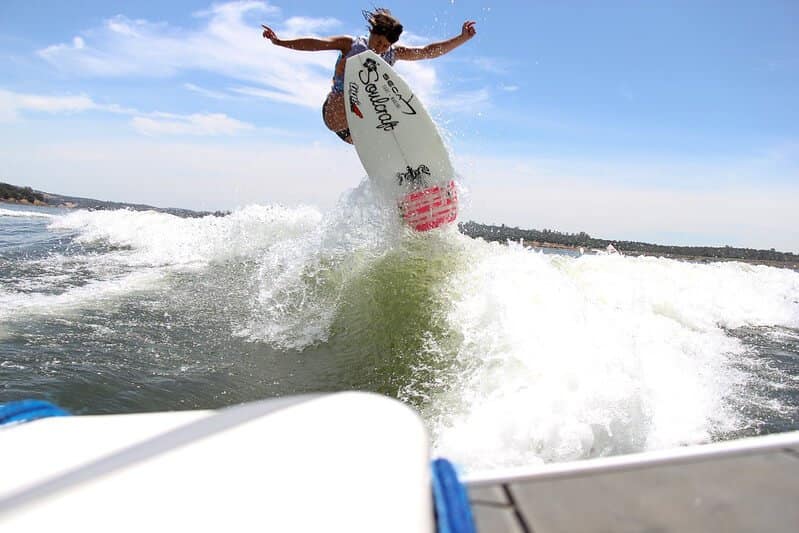
Wakesurfing is the most accessible tow sport there is. You ride the boat's wake without a rope, at around 10 to 12 mph, on a wide buoyant board, and a fall means sliding into water at jogging pace.
It also has one absolute rule: inboard boats only. Never behind an outboard, a sterndrive, an inboard/outboard or a jet drive. That rule exists because the practice wakesurfing evolved from, teak surfing, has been linked to at least 11 deaths and 10 injuries from carbon monoxide poisoning on ski boats.
Get the boat right and this is a sport almost anyone can do. Get it wrong and it is one of the most dangerous things you can do on the water.
On an inboard boat, direct drive or V-drive, the propeller sits underneath the hull, several feet forward of the swim platform. A surfer riding close to the transom is well behind and above it.
On an outboard or sterndrive, the propeller is at the very back, in exactly the water a surfer occupies and falls into. There is no configuration of that layout that puts a rider at a safe distance.
Exhaust from a boat engine collects in the low-pressure pocket immediately behind the transom, the same pocket a wakesurfer rides in. Riders on the swim platform of a weighted boat put their heads directly into that accumulation.
Symptoms are nausea, dizziness, confusion, headache and fainting, and they are routinely mistaken for too much sun, too much alcohol or seasickness. Someone affected can lose consciousness and slip underwater while people are watching them.
That is the mechanism behind the teak surfing deaths, and it is why the guidance is phrased as a prohibition rather than a caution. Several states legislated against teak surfing specifically.
Modern inboard wake boats move the exhaust and the propeller away from the rider, and that engineering is what made the sport viable.
10 to 12 mph, against roughly 20 for wakeboarding and more for slalom skiing. Falling at 11 mph is a slide into water. Falling at 22 mph while attached to a rope is an impact.
That difference is the whole accessibility argument. It is why wakesurfing is practical for riders in their fifties and sixties, for people carrying old injuries, and for heavier riders for whom hard water impacts are genuinely punishing.
You use a rope to get out of the water and to find the wake's sweet spot. Then you throw it into the boat and ride the wave unattached.
Nothing is pulling you. Nothing can snap back at you. Nothing can wrap around a limb. This removes an entire category of tow-sport injuries.
Wide, buoyant and forgiving, with the rider's feet unattached. Coming off the board means stepping off it, not being levered out of bindings.
Legs and core, continuously. Wakesurfing is sustained low-intensity work with constant small corrections. It is closer to an hour of balance work than to a set of jumps, and most people feel it in the calves and obliques rather than in the shoulders.
Balance and proprioception. You are standing on an unstable surface on moving water, adjusting continuously. That is a genuinely useful capacity to train and one that transfers to snowboarding and surfing.
Low joint load. No rope tension through the shoulders, no landing impact, no edge-catch wipeouts. For anyone managing a knee or a back, this is the tow sport that stays available.
Long sets. Because the speed is low and the falls are soft, a beginner's session is limited by leg fatigue rather than by battering. First-timers often ride for far longer than they would on a wakeboard.
It is sociable. The boat runs slowly, the rider is close enough to talk to, and everyone on board can watch. That sounds trivial and it is a large part of why people take it up.
If the appeal is the water rather than the wave specifically, our beginner's guide to wakeboarding covers the other end of the same sport: faster, harder falls, and a getting-up sequence that takes most people several attempts. Whichever you ride, our life jacket guide explains the Performance Level labels that replaced Type III in 2025.
Wear an approved life jacket. A US Coast Guard-approved vest, fitted properly. Comfort vests marked as not Coast Guard approved are not the same thing, whatever they look like.
Learn the hand signals. Standard towed-sports signals for faster, slower, stop and OK. The rider is the only person who can tell the driver what is needed and shouting does not carry over an engine.
Use a spotter. Someone whose only job is watching the rider. In most jurisdictions this is a legal requirement for towed sports, and it is the reason someone in the water gets noticed quickly.
Start with the boat properly weighted. Wakesurfing needs a large, clean wake, which means ballast and list to one side. An underweighted boat produces a wave that will not push you, and beginners then conclude they cannot do it.
Getting up. Board against the feet, heels-side edge toward the boat, rope in both hands, let the boat pull you up rather than pulling yourself. Then get the board flat and stand slowly. Most people manage it within a few attempts, which is considerably better than the wakeboard learning curve.
Riding too close. The sweet spot is close to the transom, and closer is not better. Stay in the pocket, not on the platform.
Alcohol. Combined with sun, motion and engine noise, it masks exactly the symptoms that indicate carbon monoxide exposure. This is the specific reason it matters more here than in most sports.
No spotter. A rider who goes under quietly, without the splash of a hard fall, can be missed. This is exactly what makes carbon monoxide incidents so dangerous.
Wrong boat, borrowed for the day. The most likely way an experienced surfer ends up behind a sterndrive is being handed a friend's boat. Check the drive type before anyone gets in the water.
Confirm the boat is an inboard, direct drive or V-drive. Everything else in this guide is secondary to that.
Then get an approved life jacket that fits, agree hand signals with the driver, put someone on spotting duty, and weight the boat properly before the first attempt. With those four in place, most first-timers are riding inside half an hour.
Inboard boats only, direct drive or V-drive, where the propeller sits under the hull several feet forward of the swim platform. Never behind an outboard, a sterndrive, an inboard/outboard or a jet drive. This is not a preference, it is the central safety rule of the sport.
Two reasons. The propeller is at the back, directly where a surfer rides and falls, and the exhaust discharges into the same area. Riders behind these drives are exposed to both a rotating propeller and concentrated carbon monoxide.
Around 10 to 12 mph, roughly half the speed of wakeboarding. That low speed is why the falls are soft and why the sport suits people who cannot absorb hard impacts.
For most people, yes. The speed is lower, there is no rope tension pulling you off balance once you are up, the board is bigger and more buoyant, and a fall means sliding into water at jogging pace.
Yes, and a US Coast Guard-approved one. Requirements vary by state for towed sports, but the sensible standard is a properly fitted approved vest at all times. Comfort-only vests marked as not Coast Guard approved are not a substitute.
Nausea, dizziness, confusion, headache and fainting. The danger is that people attribute these to sun, alcohol, noise or seasickness. On a boat with people in the water behind it, treat those symptoms as carbon monoxide until proven otherwise.
Yes, though not in the way it looks. It is sustained low-intensity work for the legs, hips and core with constant micro-adjustments for balance, rather than the short high-load bursts of wakeboarding. Most people feel it in the calves and obliques the next day.
One word, two activities that share almost nothing but a bag. Which one you mean changes the gear, the cost, the risk and the skills, so it is worth settling first.
Two decisions cover almost everything: get the length right for your weight, and choose a continuous rocker. Everything else is preference and price.
Bleach is the reflex and it is the wrong tool on chair fabric. It removes the stain, leaves the growth, and wrecks the colour. Here is the method that works.