
Destinations
Where to Eat in Seoul: 71 Bib Gourmands Against 42 Stars
The best-value restaurant list in Seoul is not the starred one. Here is how I choose where to eat, and the honest situation at the market everyone tells you to visit.
Seoul had a record 10.71 million visitors in the first half of 2026, and the city answered with rules that carry fines. Here is what the sights cost, which days they close, and the neighbourhood where arriving at the wrong hour is a fineable offence.
Seoul is one of the cheapest great cities to look at. A grand palace is 3,000 won, less than a coffee in most capitals, and the best hours of the day cost nothing at all.
What changed is the rules around it. A record 10.71 million foreign visitors arrived in the first half of 2026, up 21 percent year on year and 26.9 percent above the same period in 2019, and the city answered with restrictions that carry actual fines. The most photographed lane in Seoul now costs you 100,000 won if you walk into it at the wrong hour.
Below: what each thing costs, which weekday it is shut, and the three rules that arrived in the last eighteen months.
Three things, all recent enough that most guides still describe the old city.
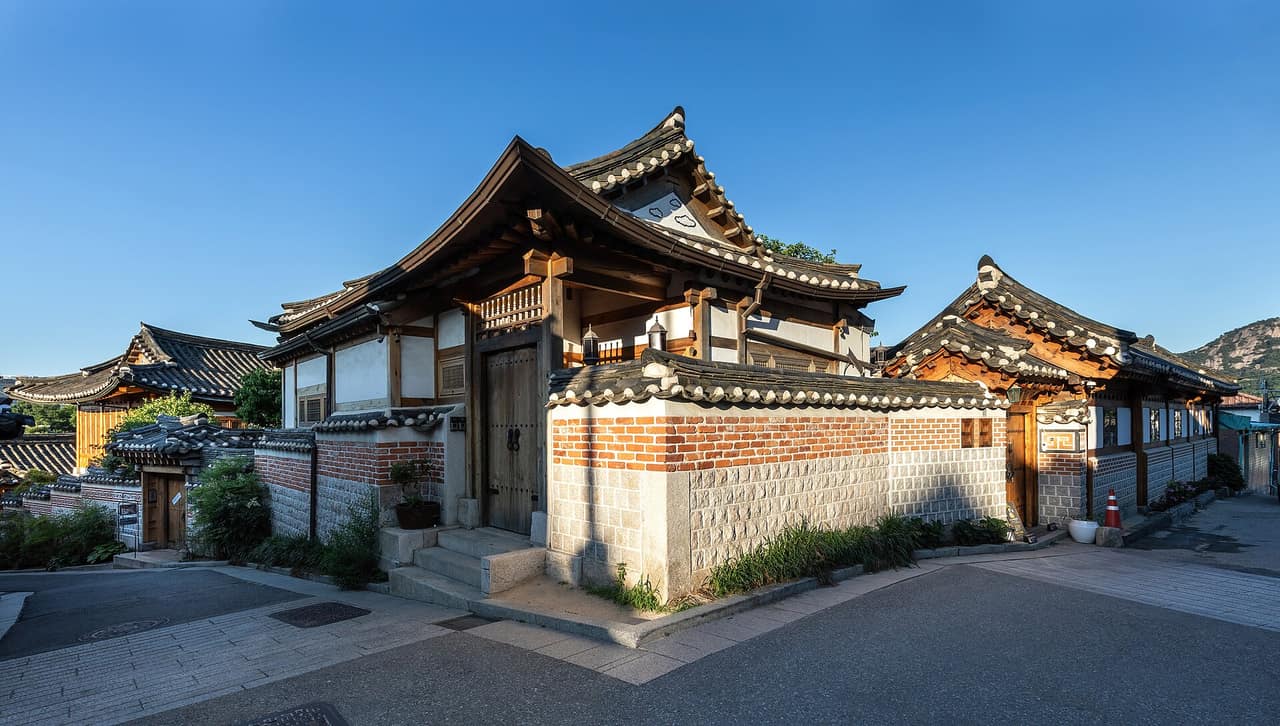
Bukchon Hanok Village is a residential neighbourhood that receives coach loads of people photographing other people's front doors. Seoul's answer was to designate part of it a Special Management Area and restrict entry by the clock.
The Seoul Metropolitan Government's official notice puts it plainly. In the red zone around Bukchon-ro 11-gil, roughly 34,000 square metres, there are "no tourist visits during restricted hours", which run from 5:00 p.m. to 10:00 a.m. the following day. The penalty is 100,000 won. A guidance period ran from November 2024 and enforcement with fines began 1 March 2025, under Article 48-3 of the Tourism Promotion Act.
A second restriction started this year. Chartered buses have been banned from Bukchon-ro, Bukchon-ro 5-gil and Changdeokgung 1-gil since 1 January 2026, with fines from 300,000 won for a first violation up to 500,000 won for a third. If a tour you booked promises a Bukchon coach stop, ask where it parks now.
For years the deal was simple: palaces were free on the last Wednesday of the month, Korea's Culture Day. In 2026 the government widened Culture Day to every Wednesday, and the Royal Palaces and Tombs Center is converting its sites in stages rather than all at once.
The staging is the part nobody has written down for visitors, so here it is.
| Site | Free every Wednesday from |
|---|---|
| Joseon Royal Tombs | 27 May 2026 |
| Deoksugung | August 2026 |
| Changdeokgung | October 2026 |
| Changgyeonggung | October 2026 |
| Jongmyo Shrine | October 2026 |
| Gyeongbokgung | Not yet announced |
Gyeongbokgung is the exception, and the reason given is the honest one: the agency said the timing "will be reviewed later in consideration of congestion and safety issues". It is the busiest heritage site in the country, and a free Wednesday would make it worse.
Anything not yet converted still follows the old rule, so the last Wednesday of the month remains the reliable free day across the board.
Seoul's most famous food market spent late 2025 in the news for overcharging. A video about a small 15,000 won plate of jeon went viral, another about a sundae stall billing 10,000 won for an 8,000 won dish passed 16 million views, and visitor numbers fell.
The city, Jongno district and the market association responded with a labelling scheme: weight or quantity marked next to the price, sample portions displayed for the signature dishes, and real-name registration for stall operators. Still go. Read the posted quantity before you sit down.
| Sight | Adult price | Closed |
|---|---|---|
| Gyeongbokgung | 3,000 won | Tuesdays |
| Changdeokgung | 3,000 won | Mondays |
| Changdeokgung Huwon, guided only | 5,000 won on top | With the palace |
| Deoksugung | 1,000 won | Mondays |
| Changgyeonggung | 1,000 won | Mondays |
| Jongmyo Shrine | 1,000 won | Tuesdays |
| Integrated ticket, five sites, 3 months | 10,000 won | n/a |
| N Seoul Tower observatory | 29,000 won at the gate | Open daily, late |
| Namsan cable car | 15,000 won return | Runs daily |
| Bukchon Hanok Village | Free | Visits banned 5pm to 10am |
| Markets and hills | Free | Varies |
The palace and garden figures are the ones published on the city's own Gyeongbokgung page and Secret Garden page.
Bought separately, the four palaces plus Jongmyo and the Secret Garden come to 14,000 won. The integrated ticket is 10,000 won and lasts three months, so it pays for itself on the third site and removes the queue at every ticket window after the first. It is sold at the ticket offices rather than online, which is why it is missing from most itineraries.
Every guide repeats that hanbok gets you into the palaces free. It does, and the city says so directly: "You can enter Gyeongbokgung Palace for free if you wear a complete hanbok."
Now do the arithmetic. Rental runs roughly 15,000 to 25,000 won for a couple of hours. The ticket it saves you is 3,000 won. Renting hanbok to get in free costs between 12,000 and 22,000 won more than buying the ticket.
Rent it for the photographs in a 600-year-old courtyard. That is reason enough. It is not a money-saving tip, and the word complete is doing work in that sentence: a jeogori jacket over jeans does not qualify, and staff at the gate check.
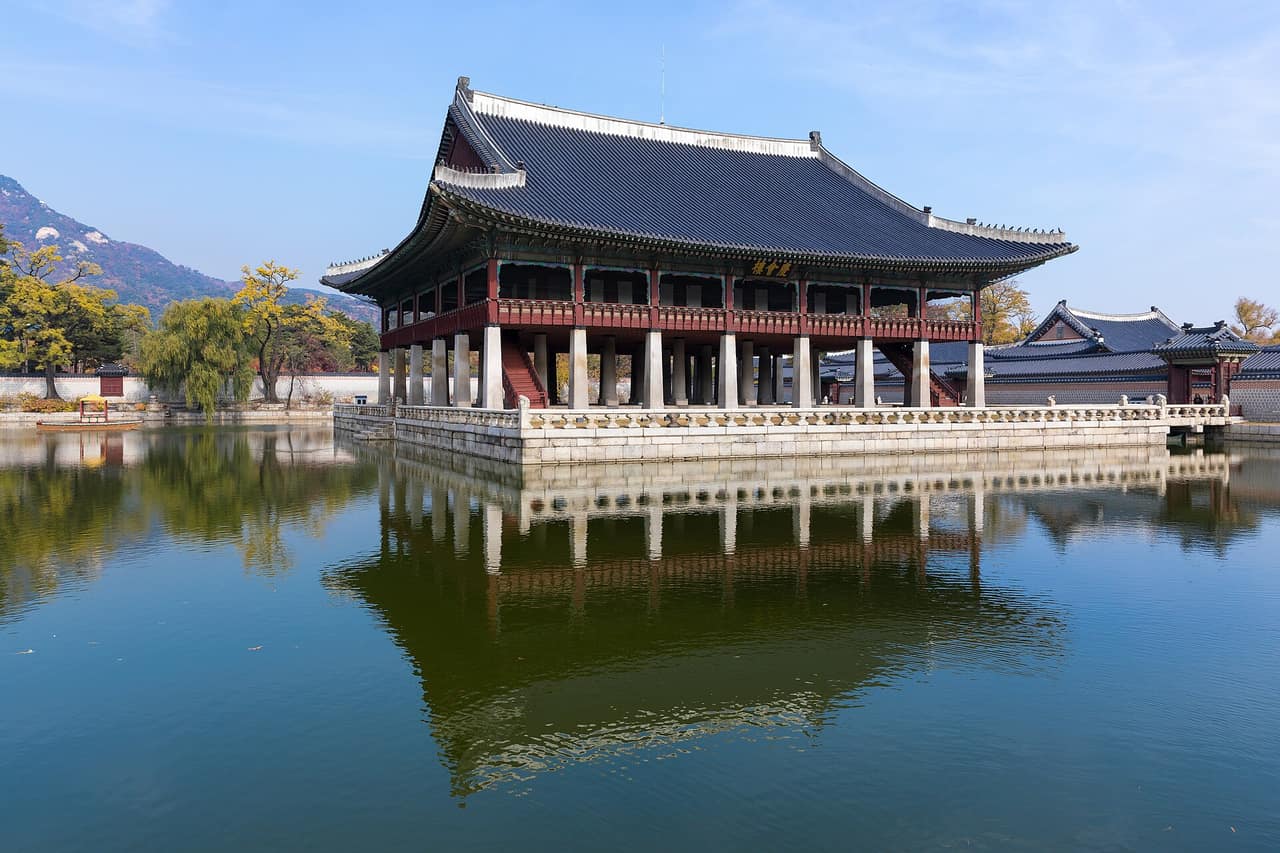
There are five palaces. You need two.
Gyeongbokgung is the big one: the main royal palace, the largest complex, the changing of the guard at the front gate. Hours move with the season, 09:00 to 18:30 in June, July and August, 09:00 to 17:00 in the winter months. Go at opening, because the coach groups land mid-morning.
Changdeokgung is the better building. It was laid out to follow the terrain instead of flattening it, which is why UNESCO listed this one and not the others, and the Huwon, the rear garden, is the loveliest enclosed space in central Seoul.
Deoksugung is small, central and surrounded by office towers, which makes for the strangest photographs in the city. At 1,000 won it is the cheapest hour you can buy, and from August 2026 it is the first palace to go free every Wednesday.
Gyeongbokgung closes Tuesdays. Changdeokgung closes Mondays. People plan a palace day around whichever one they have seen photographed, arrive, and find it shut.
The practical version: Wednesday to Sunday you can do both. Land on a Monday and you get Gyeongbokgung. Land on a Tuesday and you get Changdeokgung. If a Tuesday falls on a public holiday, Gyeongbokgung opens anyway and closes the next non-holiday day instead, so check your dates rather than the general rule.
This is where the standard advice, book before you travel, is wrong in a way that costs people the visit.
The Huwon is guided access only, 5,000 won on top of Changdeokgung's own ticket. Each tour is capped at 100 people, split 50 online and 50 sold at the gate on the day. English departures run at 10:30, 11:30, 14:30 and 15:30 from March to November, with fewer in winter. Online reservations open about six days before the tour date, not months.
So the plan is not to book from home in advance. Set a reminder for six days out, take an online slot for a morning tour, and if the slots have gone, be at the Changdeokgung ticket window when it opens and take one of the 50 places sold on the day. Autumn is when this actually matters.
Sorting the trip itself rather than the days? The entry paperwork, the transit card and the airport train are worth settling before you land. My Seoul travel guide covers the K-ETA position for 2026 and the deadline attached to it.
The palaces are the sights. The neighbourhoods are the city.
Bukchon Hanok Village is a grid of tiled traditional houses on the hill between the two main palaces. Free, beautiful, and somebody's street. Visit between 10am and 5pm, keep your voice down, and do not photograph through anyone's gate. The 5pm rule is not advisory.
Ikseon-dong is the version built for visitors: hanok converted into cafés and small shops, ten minutes from Bukchon, busy until late, nobody trying to sleep upstairs. If you want hanok alleys in the evening, this is the honest answer.
Insadong is the crafts street, touristy in the way these streets always are, and still the best place in the city to buy ceramics and paper.
Hongdae is the university district: live music, street performance, the youngest crowd and the latest hours. Seongsu is the old industrial quarter turned design district, all coffee and converted factories. Gangnam is shopping and money, and half a day covers it unless it is your reason for coming.
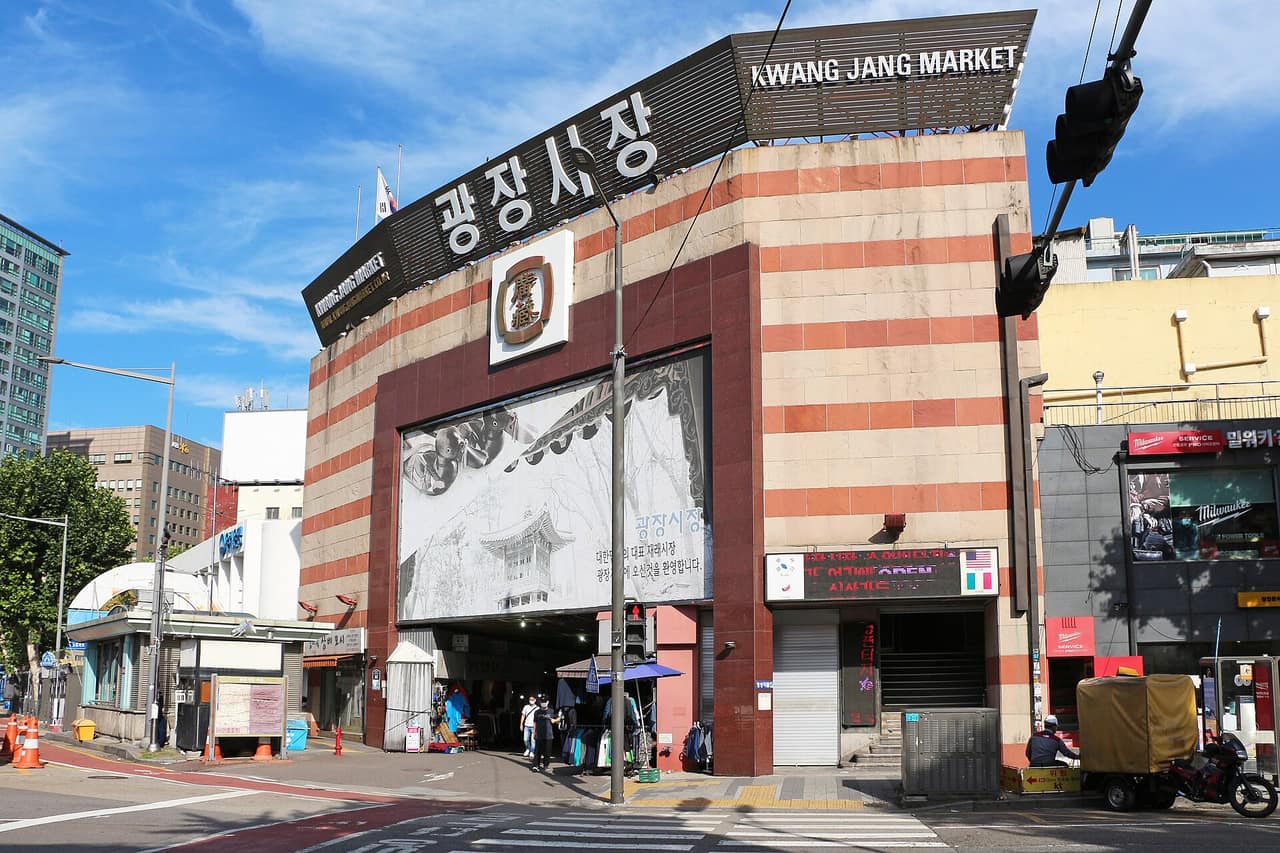
A market, early. Gwangjang for the food stalls, Namdaemun for the scale, Noryangjin for fish at dawn. Markets are the part of Seoul nobody has redesigned.
A mountain. The city is ringed by them. Bukhansan is the serious one. Inwangsan and Naksan are short climbs from the centre with a view at the top and no ticket.
The Seoul City Wall. Sections of the 14th-century wall run along the ridgelines and you can walk them. The Naksan stretch takes about an hour and ends at a viewpoint most visitors never reach.
The changing of the guard. It happens outside the ticket gate at Gyeongbokgung, so you can watch the whole ceremony without buying anything.
A late evening. Seoul at eleven at night is a different and better city than Seoul at eleven in the morning.
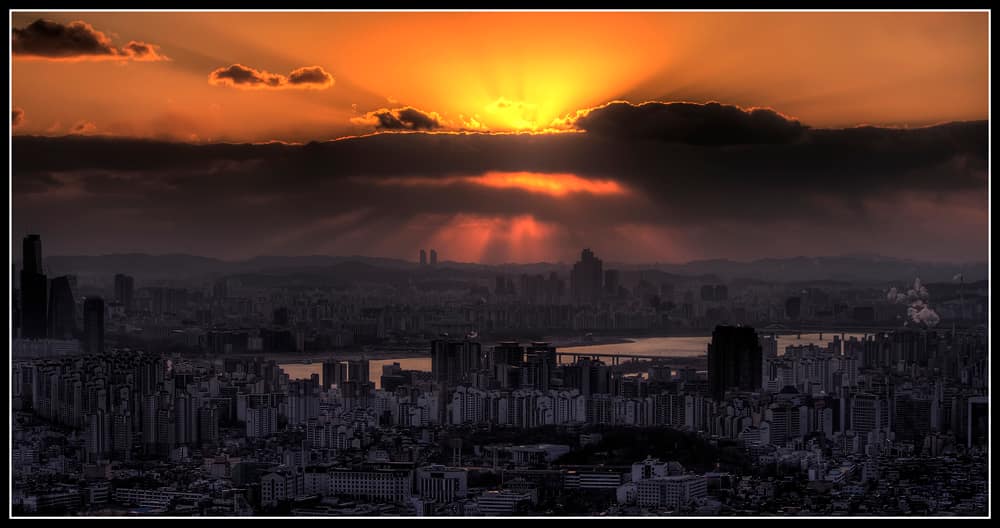
The gate price for the observatory is 29,000 won, nearly ten palace tickets, and the cable car is another 15,000 won return on top. Resellers discount the observatory heavily, often to under 20,000 won, so the ticket window is the expensive way to do it.
The honest position: Namsan the hill is excellent, the walk up through the park is the good part, and the base of the tower already gives you a wide view for nothing. Pay for the observatory if you want the enclosed 360-degree version at night. Otherwise walk up at sunset and keep the money.
Free alternatives with real views: Naksan Park on the old city wall, and Ansan in the west. Both are short climbs and both are empty compared with Namsan.
The two closing days. Said twice on purpose. It is the most common wasted morning in Seoul.
Bukchon after 5pm. That golden-hour lane you saw online was photographed either before the rule or in breach of it.
Nothing opens early. Palaces and museums start at nine or ten, shops much later. Mornings belong to markets and hills.
Distances are deceptive. Two neighbourhoods that look adjacent on a map can be 40 minutes apart on the subway. Group each day by district.
Cash at markets. Cards work almost everywhere in Seoul, right up until the one Gwangjang stall that takes notes only.
Portion sizes at food stalls. New rule, new habit: read the posted weight, and settle the price before the plate arrives.
Check which weekday you land on, then build the palace day around the closures rather than the other way round. Wednesday to Sunday gets you both main palaces. Monday or Tuesday gets you one, and which one is decided for you.
Then set a phone reminder for six days before your Changdeokgung morning, because that is when Huwon slots open and nothing else here sells out. Buy the 10,000 won integrated ticket at the first window you reach. Decide about hanbok on the photographs rather than on the 3,000 won.
If you want the food side of the city rather than the sights, the Korean food guide covers what to order and why half the table arrives without being asked for.
3,000 won for an adult aged 19 to 64, and 1,500 won for ages 7 to 18. Under-7s and over-65s go free, and so does anyone in a complete hanbok. It is one of the cheapest major sights in any capital city.
Different days, which is what ruins itineraries. Gyeongbokgung closes Tuesdays and Changdeokgung closes Mondays. If a Tuesday is a public holiday, Gyeongbokgung opens and takes the next non-holiday day off instead.
Some of them, from different dates. The Korea Heritage Service is expanding free entry from the last Wednesday of the month to every Wednesday one site at a time: the Joseon Royal Tombs from 27 May 2026, Deoksugung from August 2026, and Changdeokgung, Changgyeonggung and Jongmyo from October 2026. Gyeongbokgung has been held back over crowding. Anything not yet converted is still free on the last Wednesday of the month.
Not as a money-saving move. Rental runs about 15,000 to 25,000 won against a 3,000 won ticket, so you spend more, not less. Rent hanbok for the photographs, which is a good reason on its own, and ignore the free-entry framing. It has to be a complete outfit to qualify.
Yes, and the booking window is short. The Huwon is guided access only at 5,000 won on top of palace admission, capped at 100 people per tour, split 50 online and 50 at the gate. English tours run at 10:30, 11:30, 14:30 and 15:30 from March to November. You cannot book it months ahead.
The integrated ticket, sold at the ticket windows for 10,000 won and valid three months, covering Gyeongbokgung, Changdeokgung, Changgyeonggung, Deoksugung and Jongmyo. Bought separately those come to 14,000 won with the Secret Garden. The Huwon tour still needs its own time slot.
No. Tourist visits to the Bukchon-ro 11-gil red zone are restricted between 5pm and 10am the next morning, and a violation carries a 100,000 won fine. Chartered buses have been banned from the surrounding streets since 1 January 2026.
The observatory is 29,000 won at the gate, close to ten times a palace ticket, though online sellers discount it heavily. The hill and the cable car are the good part. If you only want a view, Naksan Park and Ansan are free and far quieter.
Four is comfortable, three works, two forces a choice. The palaces and the old city take a day and a half, the markets and neighbourhoods another, and any day trip needs its own day.
The best-value restaurant list in Seoul is not the starred one. Here is how I choose where to eat, and the honest situation at the market everyone tells you to visit.
Three days is the right length for Rome and the tickets are where people lose money. Two official sites, two mandatory fees, and a route that avoids crossing the city twice.
Your first Korean meal arrives as eight small dishes you did not order. They are free, they are refillable, and almost nobody writing about Korean food tells you either thing.