


Travel Advisor
What Is Backpacking Travel? The Word Means Two Different Things
One word, two activities that share almost nothing but a bag. Which one you mean changes the gear, the cost, the risk and the skills, so it is worth settling first.
Bleach is the reflex and it is the wrong tool on chair fabric. It removes the stain, leaves the growth, and wrecks the colour. Here is the method that works.
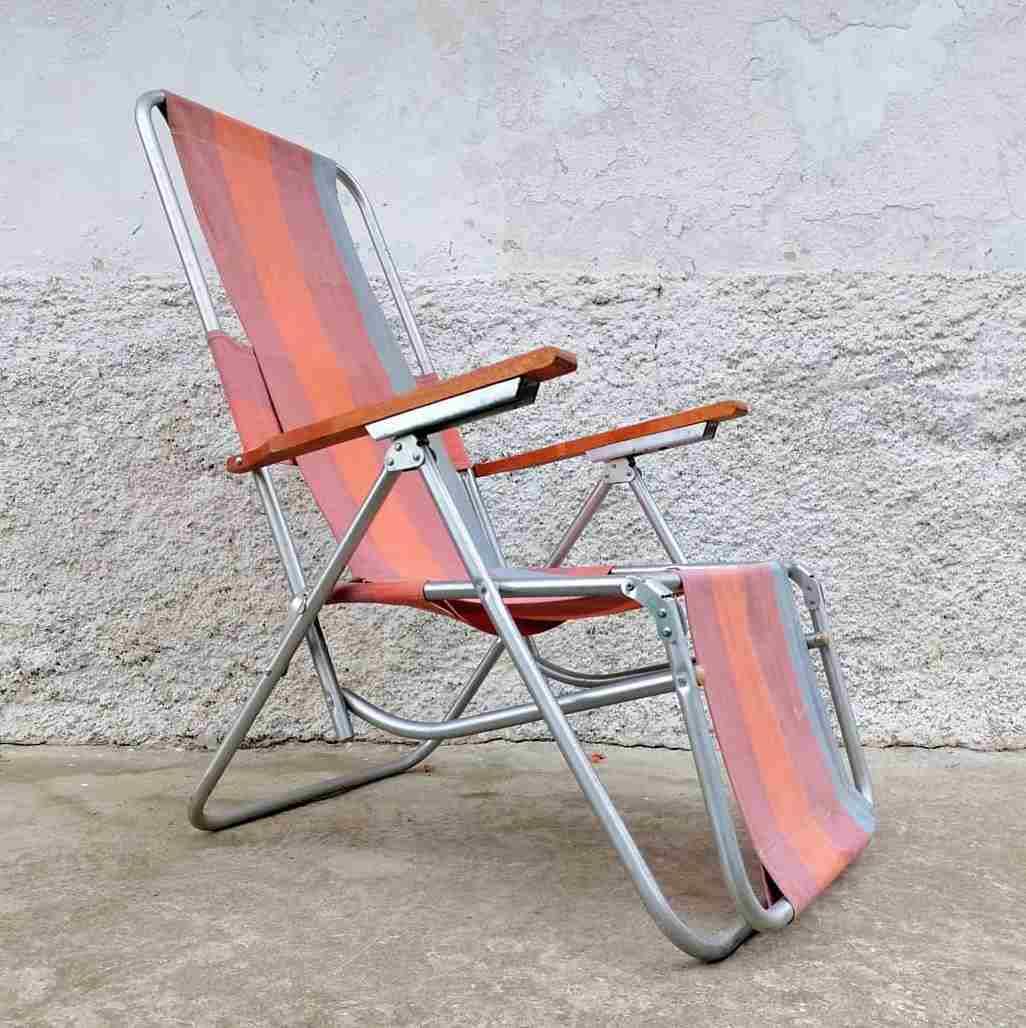
Bleach is the reflex and it is the wrong tool for this job. The EPA states that bleach is not recommended as a routine practice during mould cleanup, and OSHA takes the same position.
The reason matters on chair fabric specifically. Bleach is largely water. The chlorine acts at the surface and evaporates; the water soaks into the porous polyester and stays. You get a chair that looks clean, has faded patches, weakened fibres and living growth still in the weave.
The method that works is dull: brush it off, wash it, treat with vinegar, and dry it completely. The last step is the one that decides whether the problem returns.
Worth thirty seconds because it changes the effort required.
Mildew is surface growth: powdery, flat, usually white or grey, sitting on top of the material. This is what appears on a chair stored damp for a fortnight.
Mould develops deeper structures that penetrate porous material and is typically fuzzy and coloured, green, black or blue.
Chair fabric that has been in a damp bag for a season is usually mildew and comes off. Fabric that has been wet in a shed for two winters may be past saving, and there is no shame in replacing a cheap chair rather than fighting it.
Do this outdoors, before any water touches it. Brushing dry growth releases spores, and you do not want that indoors.
Open the chair fully, brush the fabric firmly on both sides, and pay attention to seams, the underside of the seat and the pockets, which is where it always starts.
Doing this while the fabric is dry removes a surprising proportion of the problem. Wetting it first turns powder into paste that grinds into the weave.
Warm water and a squeeze of washing-up liquid. Sponge the fabric thoroughly, working the solution into the weave rather than wiping across it.
This lifts the body oils, sunscreen and salt that the growth was feeding on. Skipping it means treating the symptom and leaving the food.
Spray white vinegar onto the affected areas, either undiluted or diluted 1:1, and leave it for an hour.
Vinegar penetrates porous material rather than acting only at the surface, which is exactly the property bleach lacks. It also does not strip dye or weaken fibres.
For stubborn spots, a paste of bicarbonate of soda and water, worked in with the brush and left before rinsing, adds mild abrasion without damaging the fabric.
Never combine vinegar with bleach. The reaction releases chlorine gas. If you have already used bleach on a chair, rinse it thoroughly and let it dry before going anywhere near vinegar.
Clean water, and more of it than feels necessary. Residual detergent attracts dirt and residual vinegar keeps the smell. Rinse both sides of the fabric and the frame.
The step people skip, and the only one that prevents recurrence.
Open the chair fully and leave it in direct sunlight with air moving through it. Ultraviolet light is genuinely antimicrobial and the airflow is what removes moisture from inside the weave.
Give it a full day. Check the seams and the underside of the seat with your hand before you accept it as dry, because those areas hold moisture long after the surface feels fine.
While the fabric dries, deal with the frame. Wipe it down, dry it, and look at the joints and any rivets for rust. A drop of light oil on the pivots stops the squeak and the seizing that eventually breaks a chair.
Sand and touch up any rust spots on painted steel frames. Aluminium frames need nothing beyond a rinse.
Acetic acid is volatile, so the vinegar smell leaves as it evaporates. A thorough rinse plus a day of outdoor drying handles it in almost every case.
If a trace remains, a bicarbonate of soda paste on the affected area, left to dry and then brushed off, absorbs what is left.
Do not mask it with fabric spray. That adds a scent on top of a smell and leaves you with both.
One rule: never store a chair damp.
A chair that goes away dry does not need any of the method above.
If the chair is past saving, replacing it is a chance to buy something with a canopy. Our guide to beach chairs with canopies covers the frame types, the shade geometry that actually works, and what UPF ratings on chair fabric mean.
Take the chair outside and brush it dry before you get anything wet. That single step removes more of the problem than anything that follows and stops you grinding spores into the weave.
Then work through detergent, vinegar, rinse, and a full day of sun. And when it is dry, put it away dry, which is the whole of the prevention.
Not reliably, and the EPA does not recommend bleach as a routine practice for mould cleanup. Bleach is mostly water: the chlorine acts at the surface and evaporates, while the water soaks into porous fabric. It removes the visible stain and often leaves the growth behind, along with damaged colour and weakened fibres.
Physical removal plus a treatment that penetrates. Brush the dry growth off outdoors, wash with a detergent solution, treat with white vinegar, rinse, and then dry the chair completely in sun and moving air. The drying step is the one that prevents it coming back.
On porous materials like chair fabric, yes. Vinegar penetrates the material rather than acting only at the surface, and it does not strip dye or degrade fibres the way chlorine bleach does. It is not a universal solution, but it is the right first choice here.
Rinse thoroughly with clean water and dry the chair fully in open air. Acetic acid is volatile and the smell disappears as it evaporates, usually within a day outdoors. A bicarbonate of soda paste on stubborn areas, rinsed off, helps.
Only if the fabric detaches from the frame and the manufacturer says so. Most do not detach. Forcing a framed chair into a machine damages both.
Never store a chair damp. That is the entire prevention strategy. Dry it completely before it goes in a bag, store it somewhere ventilated rather than a sealed boot or a damp shed, and leave the bag open.
No. The pressure drives water deep into the fabric and the stitching, damages the weave and leaves the chair wetter than when you started, which is the condition mildew wants.
One word, two activities that share almost nothing but a bag. Which one you mean changes the gear, the cost, the risk and the skills, so it is worth settling first.
Two decisions cover almost everything: get the length right for your weight, and choose a continuous rocker. Everything else is preference and price.
These masks are genuinely more comfortable and there is a body of drowning research pointing at them. Both things are true, and a buying guide that ignores the second is not worth reading.