

Travel Advisor
What Is Backpacking Travel? The Word Means Two Different Things
One word, two activities that share almost nothing but a bag. Which one you mean changes the gear, the cost, the risk and the skills, so it is worth settling first.
Almost every failed first wakeboard session comes down to two things: the boat is too slow, and the rider is trying to stand up rather than letting the boat do it.
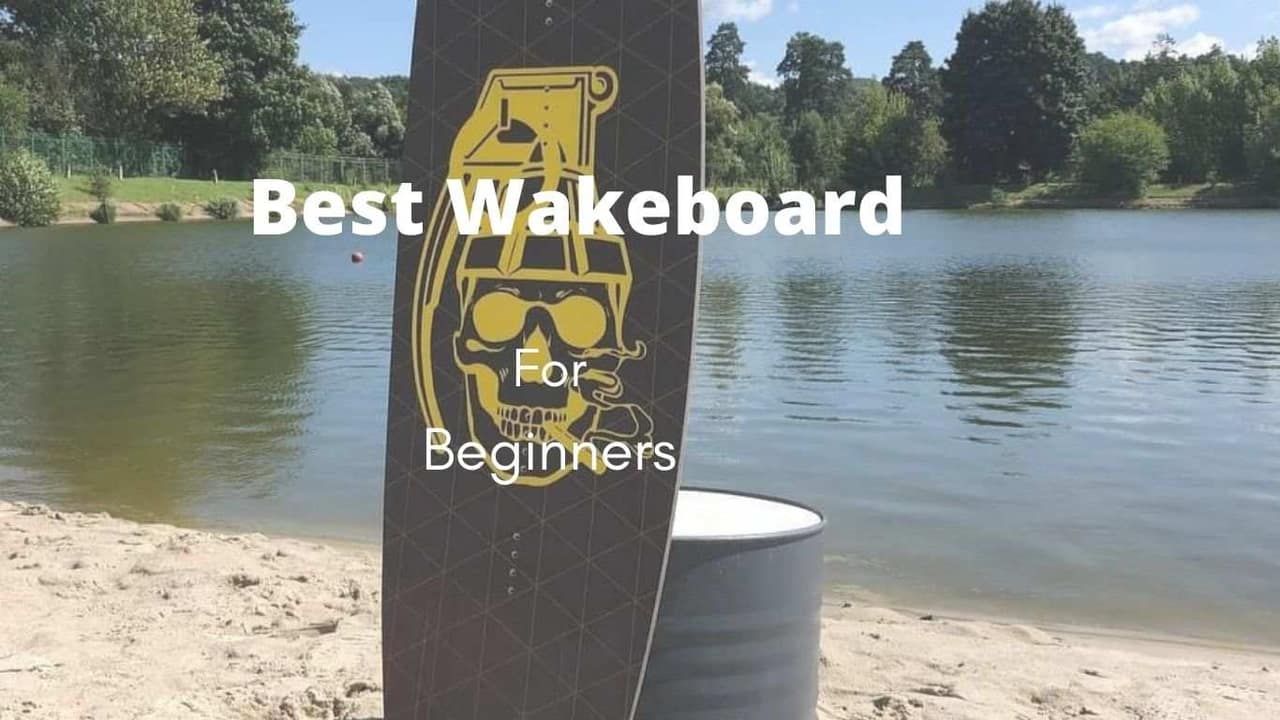
Almost every failed first wakeboard session comes down to the same two things. The boat is going too slowly, and the rider is trying to stand up.
Beginner tow speeds cluster tightly across published guidance at 15 to 20 mph, with about 12 mph reserved for light youth riders. The beginner instinct is to ask the driver to go slower, which feels safer and is the opposite of what makes the board work: below planing speed the board stays under water and drags you through it.
The rest is technique, and there is less of it than you would think.
A US Coast Guard-approved life jacket, fitted so it does not ride up over your ears when you are pulled. Towed-sport requirements vary by state; an approved vest is the sensible standard everywhere.
A spotter. Someone whose only job is to watch the rider and relay to the driver. Required by law in most jurisdictions for towed sports.
Hand signals agreed in advance. Thumb up for faster, thumb down for slower, flat hand across the throat for stop, and a hand on the head for "I am OK" after a fall. You cannot shout over an engine at 60 feet.
Bindings set to your stance. Left foot forward is regular, right foot forward is goofy. If you do not know, have someone give you a gentle push from behind on dry land and see which foot steps out first.
| Rider | Speed |
|---|---|
| Light youth rider | ~12 mph |
| Beginner adult | 15 to 18 mph |
| Comfortable rider | 18 to 22 mph |
Start at the bottom of the adult range and add speed once the rider is getting up consistently. If someone is being dragged with the board plowing rather than planing, the answer is almost always more speed, not less.
50 to 65 feet for a beginner. A longer rope puts the rider further back where the wake is wider and flatter. That damps the pull, makes turns slower, and gives a much more forgiving surface to land on.
Short ropes bring you into the steep, narrow part of the wake close to the boat, which is where advanced riders want to be and where beginners get thrown.
A good driver accelerates smoothly and progressively out of the start, holds a straight line, and does not react to a struggling rider by cutting the throttle abruptly. A jerky start pulls the rope out of a beginner's hands; a hesitant one leaves them plowing.
This is the part worth reading twice, because the instinct is wrong at almost every step.
1. Float with the board across the pull. On your back or side in the water, knees bent, board perpendicular to the rope, the toe edge just breaking the surface. Handle held in both hands.
2. Tuck your knees to your chest. Compact. Heels close to your backside. The smaller you are, the less water the board has to move.
3. Keep your arms straight. This is the single most important instruction in the whole sport. Straight arms, handle low, near your front hip. Do not pull.
4. Let the boat lift you. As the boat accelerates, the water pressure on the board's base rotates it under your body and pushes you up. Your job is to resist nothing and add nothing.
5. Stand slowly, once the board planes. Not before. Extend your legs gradually as the board comes flat and starts skimming. Rushing this is what produces the classic face-first fall.
6. Ride with weight slightly on the back foot, knees soft, handle at your front hip, looking at the horizon rather than at the board.
If you keep being pulled onto your face, you are standing up too early. If you keep having the handle ripped out of your hands, you are pulling with your arms. If nothing happens at all and you plow through the water, the boat is too slow.
Ride outside the wake first. Get comfortable holding a line to one side, on flat water, before you go near the wake itself.
Learn to edge. Pressure on the heel edge moves you one way, pressure on the toe edge the other. Wakeboarding is entirely about edge control; the rope only holds you against the pull.
Cross the wake with a progressive edge. Approach at an angle, keep the edge engaged all the way through, and stay standing tall. Flattening the board on the wake is what catches an edge and produces the hardest falls in the sport.
Then start on jumps. Not before the crossing is reliable in both directions.
Too slow. Repeated because it is the most common by a wide margin.
Too much rope tension in the arms. Beginners hold on as if they are climbing it. Arms straight, back straight, let the pull come through your body rather than your shoulders.
A board that is too small. A larger board floats better and planes earlier, which is exactly what a learner needs. Rental shops sizing you on weight rather than ambition are doing you a favour.
Too many attempts in a row. Getting up is anaerobic and grip-intensive. After four or five failures, swap riders and come back to it, because attempt eight with fresh forearms beats attempt six with dead ones.
Cold. A shivering rider has no grip and no patience. In water below about 20C a wetsuit changes the session entirely.
Not sure you want to buy anything yet? A cable park tows riders on an overhead cable at a fraction of the cost of boat time, and it is the cheapest way to find out whether the sport is for you. Once you know, our guide to beginner wakeboards covers rocker profiles, sizing by weight and what actually matters in a first board.
If the falls are the part putting you off, wakesurfing runs at half the speed with no rope, and suits riders who cannot absorb hard impacts.
| Boat | Cable park | |
|---|---|---|
| Cost | High, plus fuel | Much lower, hourly or day pass |
| Pull direction | Level, from behind | Downward, from above |
| Learning to get up | Harder, more force needed | Easier, the cable lifts you |
| Wake | Yes, the point of it | None, flat water and obstacles |
| Availability | Needs a boat and a driver | Turn up and pay |
Most people who learn at a cable park find the boat start easy afterwards. The reverse is less true.
Set the speed at 16 mph and the rope at 60 feet before anyone gets in the water, and agree the hand signals on the dock rather than shouting them later.
Then, in the water, tuck up small, keep your arms straight, and do nothing while the boat lifts you. If you can hold that position without pulling, most people are up within a handful of attempts.
15 to 20 mph, with most instruction starting around 16 to 18. Light youth riders go slower, around 12 mph. Below that range the board will not plane and the rider gets dragged rather than pulled up.
50 to 65 feet. Longer ropes sit the rider further back where the wake is wider and flatter, which damps the pull and makes turns slower and more controlled. Short ropes put you in the steep part of the wake, which is not where you want to learn.
Almost always because you are pulling on the rope and trying to stand. Keep your arms straight, knees tucked to your chest, and let the boat's pull rotate the board under you. Standing happens on its own once the board planes.
Whichever feels natural. Left foot forward is regular, right foot forward is goofy. A common test is which foot you would put forward if someone pushed you gently from behind. Most rental boards have adjustable bindings so you can try both.
Yes, and a US Coast Guard-approved one. Requirements for towed watersports vary by state, but an approved and correctly fitted vest is the sensible standard everywhere. Vests sold as comfort-only are not approved flotation.
Getting up takes most people between three and ten attempts in a first session with a competent driver. Riding across the wake comfortably takes a few sessions. Jumping takes considerably longer. The first stage is the steepest part of the curve.
Substantially. Cable parks tow riders on an overhead cable rather than a boat, and an hour or a day pass costs a fraction of boat time and fuel. The pull is different, coming from above rather than level, but it is the cheapest way to find out whether you like the sport.
One word, two activities that share almost nothing but a bag. Which one you mean changes the gear, the cost, the risk and the skills, so it is worth settling first.
Two decisions cover almost everything: get the length right for your weight, and choose a continuous rocker. Everything else is preference and price.
Bleach is the reflex and it is the wrong tool on chair fabric. It removes the stain, leaves the growth, and wrecks the colour. Here is the method that works.