
Travel Advisor
Best Wakeboards for Beginners: Size by Weight, Then Pick a Rocker
Two decisions cover almost everything: get the length right for your weight, and choose a continuous rocker. Everything else is preference and price.
One word, two activities that share almost nothing but a bag. Which one you mean changes the gear, the cost, the risk and the skills, so it is worth settling first.
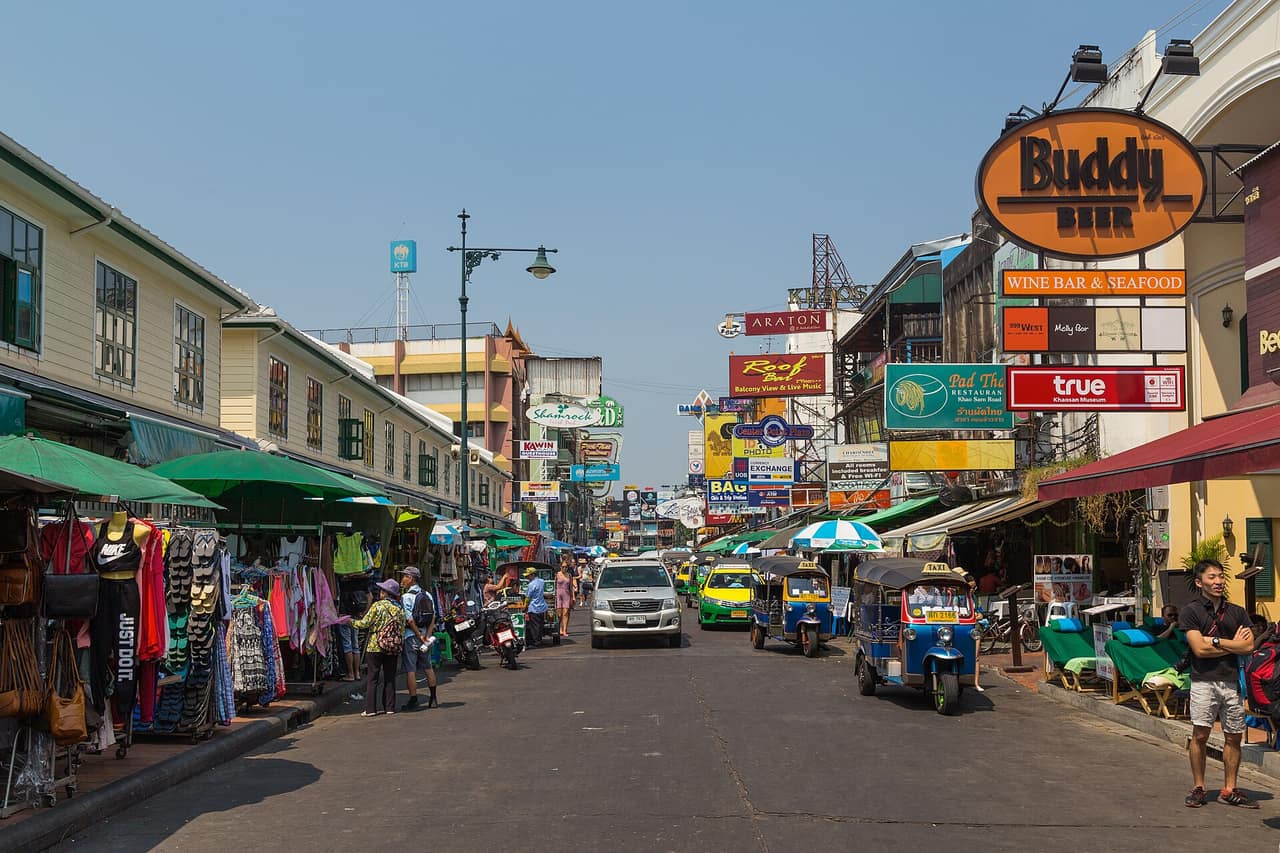
Ask an American what backpacking is and you will probably hear about carrying a tent into the mountains. Ask a Brit or an Australian and you will hear about six months and a hostel in Bangkok.
Both are correct. The word carries two different activities that share a bag and almost nothing else, and Wikipedia maintains separate articles for backpacking as hiking and backpacking as travel for exactly that reason.
That ambiguity is why searching for the term returns a mess of gear reviews for tents next to guides to Southeast Asia. Settle which one you mean and the rest of the research gets much easier.
| Backpacking as travel | Backpacking as hiking | |
|---|---|---|
| Where | Cities, countries, regions | Wilderness, trails, backcountry |
| Duration | Weeks to months | Two days to two weeks |
| You carry | Clothes, documents, a laptop | Shelter, sleeping system, food, water, stove |
| You sleep | Hostels, guesthouses, night trains | A tent, a hut, a tarp |
| Pack size | 40 to 50 litres | 55 to 70 litres |
| The skill | Logistics, budgeting, improvising | Navigation, weather, self-sufficiency |
| The risk | Transport, theft, bad decisions | Exposure, injury, being far from help |
| Common in | UK, Australia, Europe, the travel industry | United States, Canada |
If you are here because you are planning a first long trip abroad, you want the left column. The rest of this is about that.
It is defined by how you travel, not where. Four features do the defining.
Everything you have goes on your back, and it goes up hostel stairs, onto overnight buses and through streets that do not take wheels. That constraint is not aesthetic. It is what makes spontaneous movement possible, and it is why a 40-litre bag is a better travel bag than a 65-litre one even though it holds less.
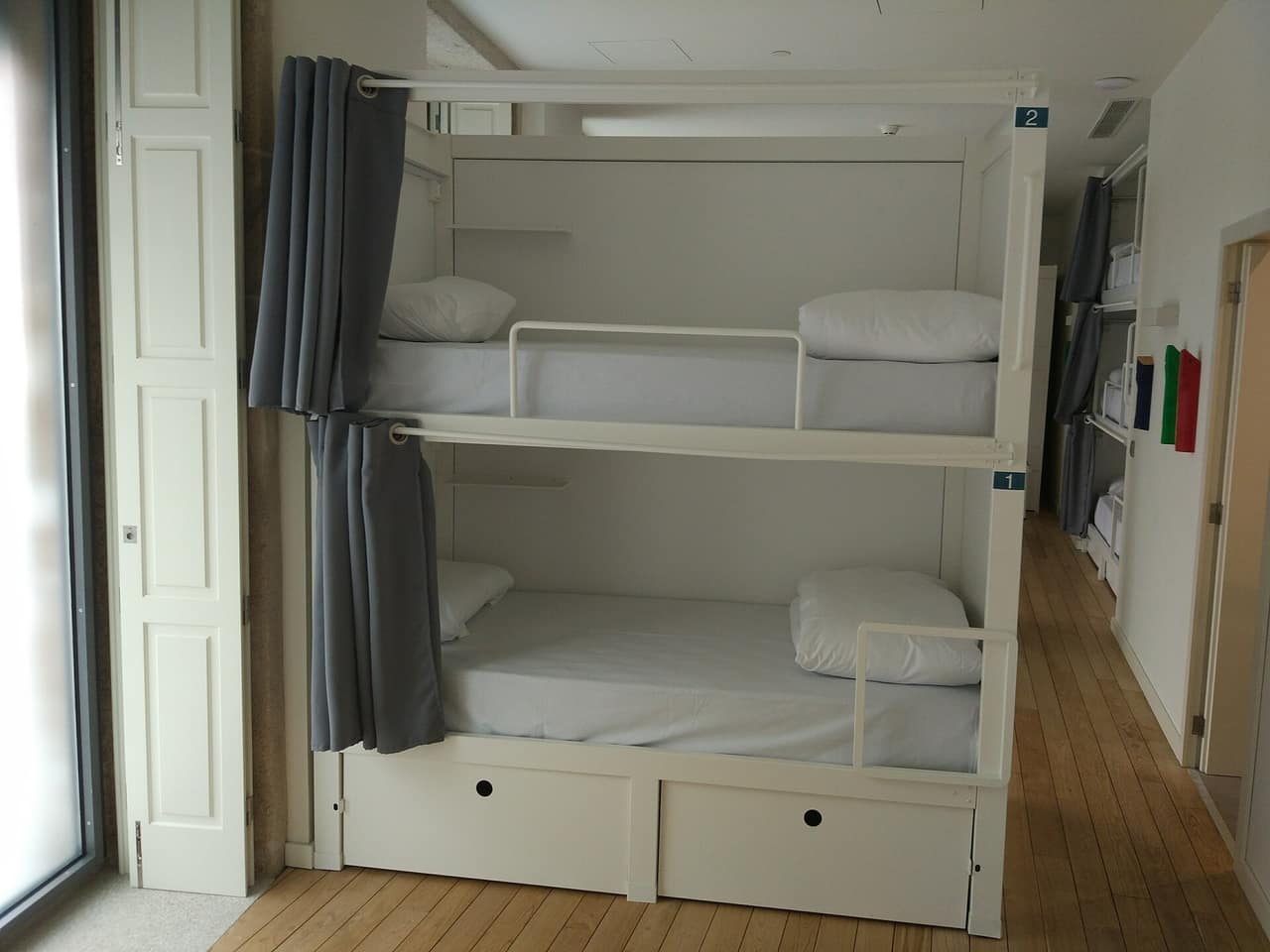
Hostels, guesthouses, homestays, occasionally an overnight train doing double duty as a bed. The point is not the hostel, it is the arithmetic: sleeping cheaply is what converts a fixed sum of money into a longer trip.
Buses, trains, ferries, shared minibuses. Slower, cheaper, and the part of the trip where you actually meet people who live in the place you are visiting.
This is the trade at the centre of it. You spend an extra six hours on a bus to save the price of a flight, then use the money for another week on the road. If your constraint is time rather than money, this style is the wrong one, and there is no shame in saying so.
I would give this style to someone with more time than money, a tolerance for discomfort and a real interest in the improvising. A twelve-hour bus with a broken air conditioner is genuinely part of it.
I would steer someone away from it if they have two weeks and a fixed budget. Two weeks is not long enough for slow transport and shared rooms to repay what they cost you in comfort. Spend the same money on a shorter, better-organised trip and you will enjoy it more.
Age has very little to do with it. The stereotype is a 22-year-old, and the reality on any long route includes plenty of people in their forties, fifties and sixties travelling the same way for the same reasons.
You will sleep badly. Dorms have snorers, early flights and people packing plastic bags at 5am.
You will be alone sometimes, and it lands harder than you expect. Weeks two and three are where people quit.
Cheap transport is where the real risk sits. Road travel is the leading cause of preventable injury for travellers in most of the world, and a night bus on a mountain road is the most dangerous thing on a typical itinerary.
I am not going to give you a daily number, because the honest range across the countries people actually backpack in spans a factor of five, and a figure written in 2026 for Vietnam tells you nothing about Portugal.
What is stable is the shape of the spending:
Work out what you can spend, subtract the flights, divide the rest by a realistic daily figure for your region, and that gives you the trip length. Not the other way around.
Travel insurance that covers what you will actually do. Standard policies exclude motorbikes, and a scooter is how most people get around in half the world's backpacking regions. Read the exclusions rather than the summary.
A way to access money that has a backup. Two cards, stored separately, one of them from a different bank.
Copies of your documents, offline and in the cloud.
Vaccinations and any prescription supply, sorted weeks ahead rather than days.
A first week that is booked. Everything after can be open. Arriving jet-lagged into an unfamiliar city with nowhere to sleep is a bad first impression of a style of travel you have not tried yet.
Packing is the part everyone gets wrong first, and one bag for months is a genuinely different problem from one bag for a week. I am publishing a full two-week list later in this series that covers the layering system and the toiletry rules that survive airport security.
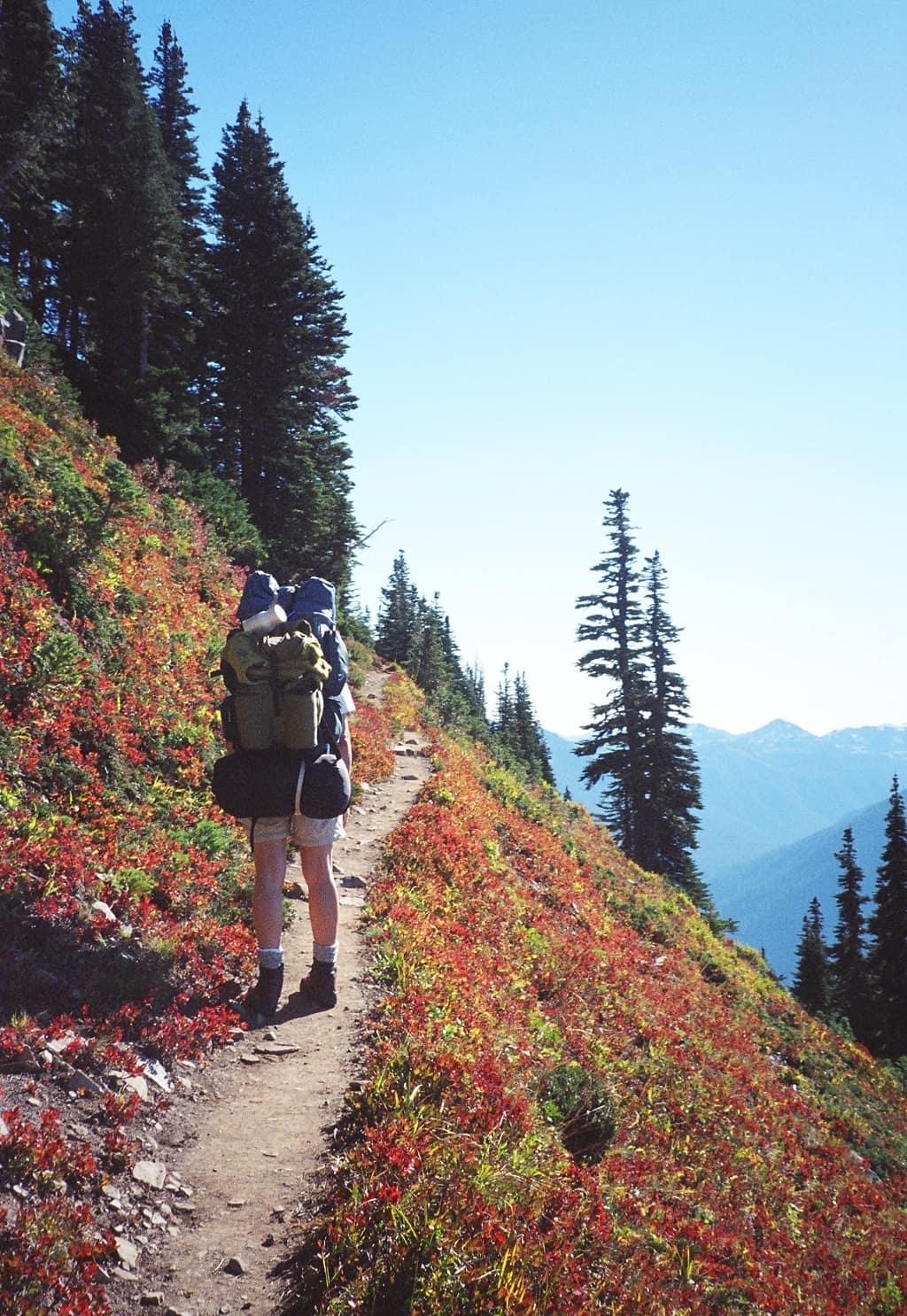
If you landed here wanting the wilderness version, the short answer is that it is a different sport with a different skill set. You are carrying shelter, a sleeping system, food and a way to treat water, which is why the packs are larger and heavier. The skills that matter are navigation, reading weather and knowing your own limits, and the consequences of getting them wrong are more serious than a missed bus.
In much of the world that activity is called trekking, tramping or bushwalking instead, which is exactly why the word causes so much confusion in the first place.
Decide which activity you actually mean, then search for that phrase instead of "backpacking". "Budget travel Southeast Asia" and "multi-day trekking gear" both return usable results. "Backpacking" returns half of each.
If it is the travel version, the first real decision is trip length, and it falls out of the money rather than the other way around. Work out the total, take the flights off the top, and see how many weeks the remainder buys at a realistic daily rate. That number tells you whether this style is right for you before you buy anything.
Low-cost, independent, long-duration travel where you carry what you need in one bag, use public transport and stay in cheap accommodation. It is defined by how you travel rather than where, and trips are usually measured in weeks or months rather than days.
No, though the word is used for both. In the United States, backpacking usually means multi-day wilderness hiking carrying camping gear. In Britain, Australia and most of the travel industry, it means budget independent travel. They share a bag and nothing else.
No. Hostels are the cheapest option and the most social, but guesthouses, homestays, overnight buses and trains all serve the same purpose. The defining feature is spending little on where you sleep so you can travel for longer.
There is no rule, but the style only starts to make sense past about three weeks. Under that, the savings from slow transport and shared rooms do not repay the discomfort. Classic routes run two to six months.
Per day, considerably. Per trip, often not, because backpackers travel for far longer. The style substitutes time for money, which is why it suits people with more of the first than the second.
As safe as any independent travel, with the same qualifiers: the risks are road transport, theft, water and your own decisions after a few drinks, in roughly that order. Nothing about carrying a backpack changes the risk profile of a country.
For travel, 40 to 50 litres is plenty and 40 fits most airline cabin limits. For wilderness backpacking with a tent, sleeping bag and food you need 55 to 70 litres. This is the clearest practical place the two meanings diverge.
Two decisions cover almost everything: get the length right for your weight, and choose a continuous rocker. Everything else is preference and price.
Bleach is the reflex and it is the wrong tool on chair fabric. It removes the stain, leaves the growth, and wrecks the colour. Here is the method that works.
These masks are genuinely more comfortable and there is a body of drowning research pointing at them. Both things are true, and a buying guide that ignores the second is not worth reading.