
Destinations
Where to Eat in Seoul: 71 Bib Gourmands Against 42 Stars
The best-value restaurant list in Seoul is not the starred one. Here is how I choose where to eat, and the honest situation at the market everyone tells you to visit.
Three days is the right length for Rome and the tickets are where people lose money. Two official sites, two mandatory fees, and a route that avoids crossing the city twice.
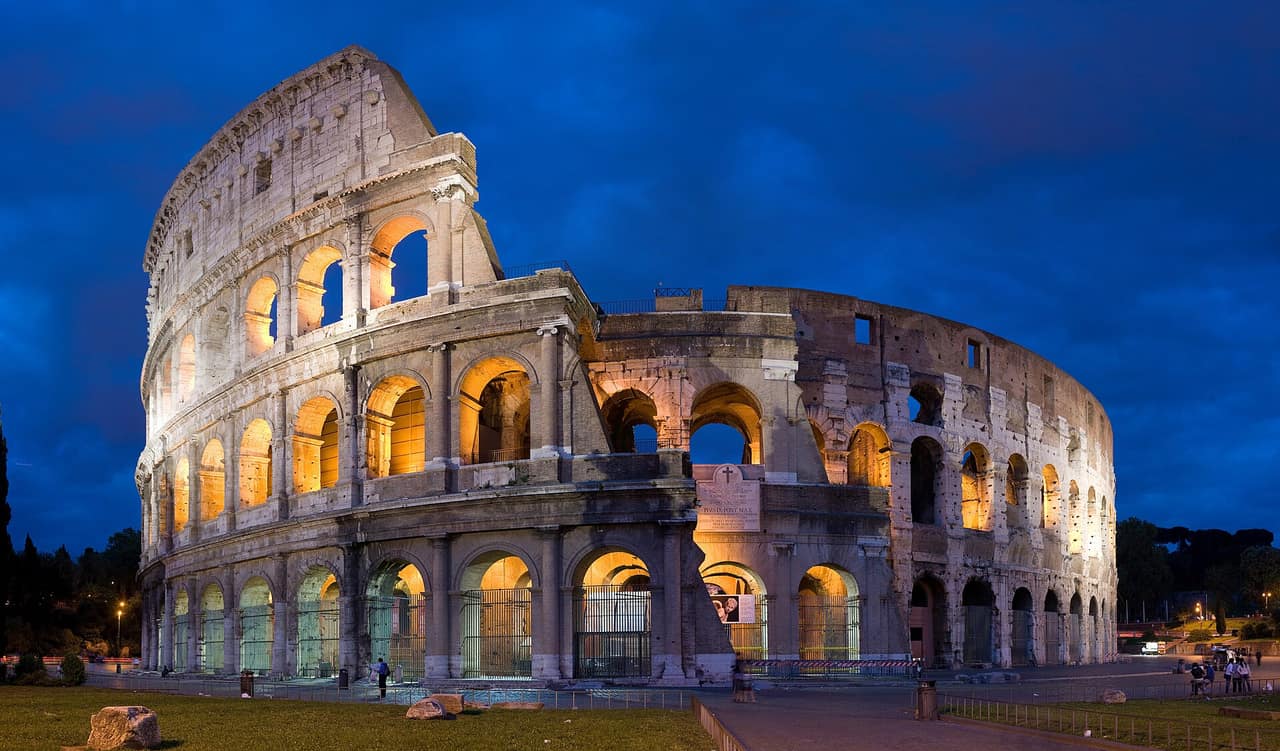
Three days is the right length for Rome, and the tickets are where people lose money.
The two biggest sites both charge a mandatory booking fee on top of admission, and neither is mentioned in most itineraries. The Colosseum adds a non-refundable 2 euro reservation fee. The Vatican Museums add a 5 euro online booking fee to a 20 euro ticket, making the real price 25.
For two people doing both, that is 14 euros of pure booking charge on top of the admission you expected to pay. Not ruinous, but worth knowing before you are surprised at checkout, and worth knowing because it is exactly the gap unofficial resellers exploit.
This is the single most useful thing in this guide.
The Colosseum, Roman Forum and Palatine Hill: CoopCulture is the only official ticketing portal, operating under contract with the archaeological park. Everything else is a reseller adding margin.
The Vatican Museums and Sistine Chapel: the official Vatican site. Same principle.
Both are timed entry. Both sell out in high season. Book them the day your dates are fixed, and build the three days around the two time slots you get rather than the other way round.
Colosseum: from about 18 euros standard, about 24 for the Full Experience including the underground, plus a non-refundable 2 euro reservation fee. The standard ticket covers the Forum and Palatine too.
Vatican Museums: 20 euros plus a 5 euro online booking fee. Includes the Sistine Chapel.
St Peter's Basilica: free to enter. The dome climb is charged separately.
Prices move. Check the two official sites before you budget.
The route logic is simple: do not cross the river twice in one day. Rome's centre is walkable and its two big attractions are on opposite sides of it, so an itinerary that zigzags wastes an hour a day on foot or on a crowded bus.
Colosseum first, on the earliest slot you can get. Then the Roman Forum and Palatine Hill, which your Colosseum ticket already covers and which most visitors underuse. The Palatine is the quietest part of the complex and has the best view over the Forum.
Afternoon: walk north to the Capitoline Museums or up to the Vittoriano terrace for the view down the Via dei Fori Imperiali.
Book the earliest Colosseum slot available. By eleven the queues and the heat are both bad, and in July they are worse than bad.
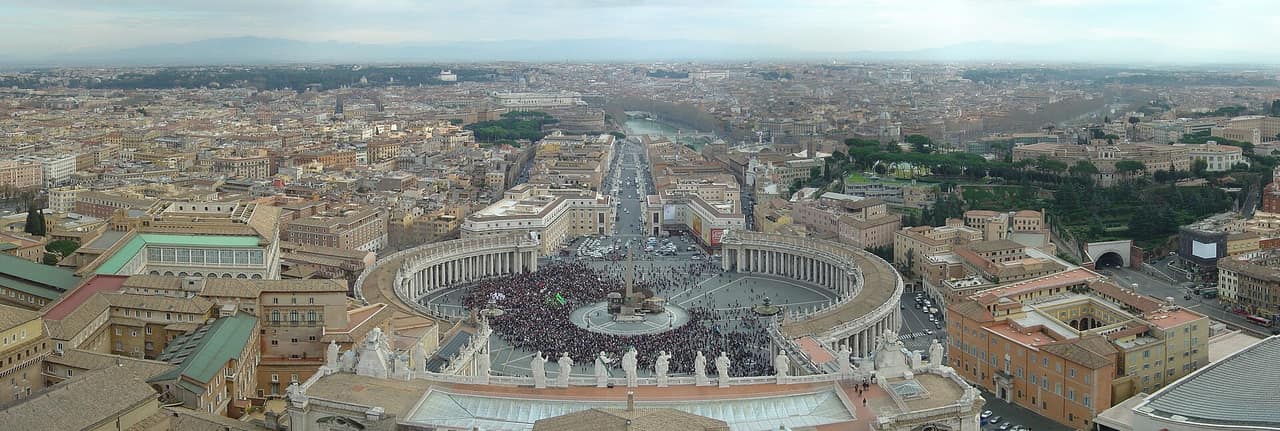
Vatican Museums on a morning slot, finishing at the Sistine Chapel. Then St Peter's Basilica, which is free but has its own security queue, and the dome climb if your legs are willing.
Two things worth planning around. The Museums are closed on Sundays except the last Sunday of the month, when entry is free and the queues are correspondingly enormous. And there is a dress code at St Peter's: shoulders and knees covered, enforced at the door, in any weather.
Afternoon: cross into Trastevere, which is the best neighbourhood in the city to have dinner in and a short walk from the Vatican side.
No tickets, no slots. Pantheon, Piazza Navona, the Trevi Fountain, the Spanish Steps, and whatever you find between them.
The Pantheon now charges admission, introduced in 2023 after centuries of free entry. It is a small amount and it remains the most extraordinary interior in Rome: a 2,000-year-old concrete dome with a hole in the top, still the largest unreinforced concrete dome in the world.
Use the afternoon for whatever the first two days made you want more of. Borghese Gallery if it is art, and note that it requires booking with a fixed two-hour slot. The Appian Way and the catacombs if it is the ancient stuff.
The tourist tax. A per-person, per-night charge set by accommodation category, collected by your hotel, usually in cash at checkout, and capped at 10 consecutive nights. It surprises people because it is not in the booking total.
Water is free. Rome has hundreds of public drinking fountains, the nasoni, running cold, clean water continuously. Carry a bottle and refill. In August this is not a money-saving tip so much as a health one.
Coffee standing up is cheaper than sitting down, sometimes by several times, and it is legally required to be displayed. Drinking an espresso at the bar is both the cheaper and the more Roman option.
Restaurants with a photo menu and a man outside inviting you in are the ones to walk past, particularly within sight of a major monument.
Fitting Rome into a longer trip? Three days here works best as one leg of a route rather than a standalone trip, and Italy's high-speed rail makes Florence and Venice easy additions. My 2-week Europe itinerary guide covers the three-city rule and the new biometric border checks you now go through on arrival.
| Season | The city | The problem |
|---|---|---|
| April to May | Warm, long light, everything open | Easter is packed |
| June | Hot, busy | Queues start early |
| July to August | Very hot | Midday is unpleasant, and August closes half the restaurants |
| September to October | The best window of the year | Nothing much |
| November to March | Cool, quiet, cheap | Short days, some rain |
September and October are the answer. The heat has gone, the crowds thin through October, and the light in Rome in autumn is the reason people paint it.
Booking through a reseller. The two official sites are named above. Anything else costs more for the same ticket, and some of it is not a ticket at all.
The Sistine Chapel is silent and no-photo, and it is enforced by staff who say so loudly and often.
Dress code at St Peter's and most churches. Shoulders and knees. A light scarf in the bag solves it.
Sunday closures at the Vatican Museums. Except the last Sunday of the month, which is free and therefore hopeless.
The Trevi Fountain at any reasonable hour. If you want it without a crowd, that means before seven in the morning, and it is genuinely worth setting an alarm for once.
Book the Colosseum and the Vatican Museums, in that order, from the two official sites, before you book anything else in Rome. They are timed, they sell out, and they are the only two fixed points in the three days.
Then build day one around your Colosseum slot and day two around your Vatican slot, and leave day three completely open. Rome is a better city to walk around aimlessly than almost anywhere, and a third day of scheduled attractions wastes that.
Three full days covers the ancient core, the Vatican and the centre on foot without rushing. Two is possible if you drop one of the big three. Four or more lets you add Ostia Antica or the catacombs and slow down, which Rome rewards.
Standard entry starts around 18 euros, with a Full Experience including the underground at around 24. A non-refundable 2 euro reservation fee applies to online purchases. CoopCulture is the only official ticketing portal.
20 euros for admission plus a 5 euro mandatory online booking fee, so 25 euros in practice. That includes the Sistine Chapel. Book through the official Vatican site rather than a reseller.
A per-person, per-night charge set by accommodation category and collected by your hotel, usually in cash on departure. It is capped at 10 consecutive nights. Rates change, so treat it as a real line in your budget rather than a rounding error.
For the Colosseum and the Vatican Museums, yes, and as early as you can. Both are timed-entry and both sell out in high season. Everything else in this itinerary can be decided on the day.
No. The Pantheon introduced an admission charge in 2023 after centuries of free entry, with reduced and exempt categories. It is a small amount and it is still the single most impressive interior in the city.
April, May, September or October. July and August are hot enough to make midday sightseeing genuinely unpleasant, and August empties the city of Romans as restaurants close for the holidays.
The best-value restaurant list in Seoul is not the starred one. Here is how I choose where to eat, and the honest situation at the market everyone tells you to visit.
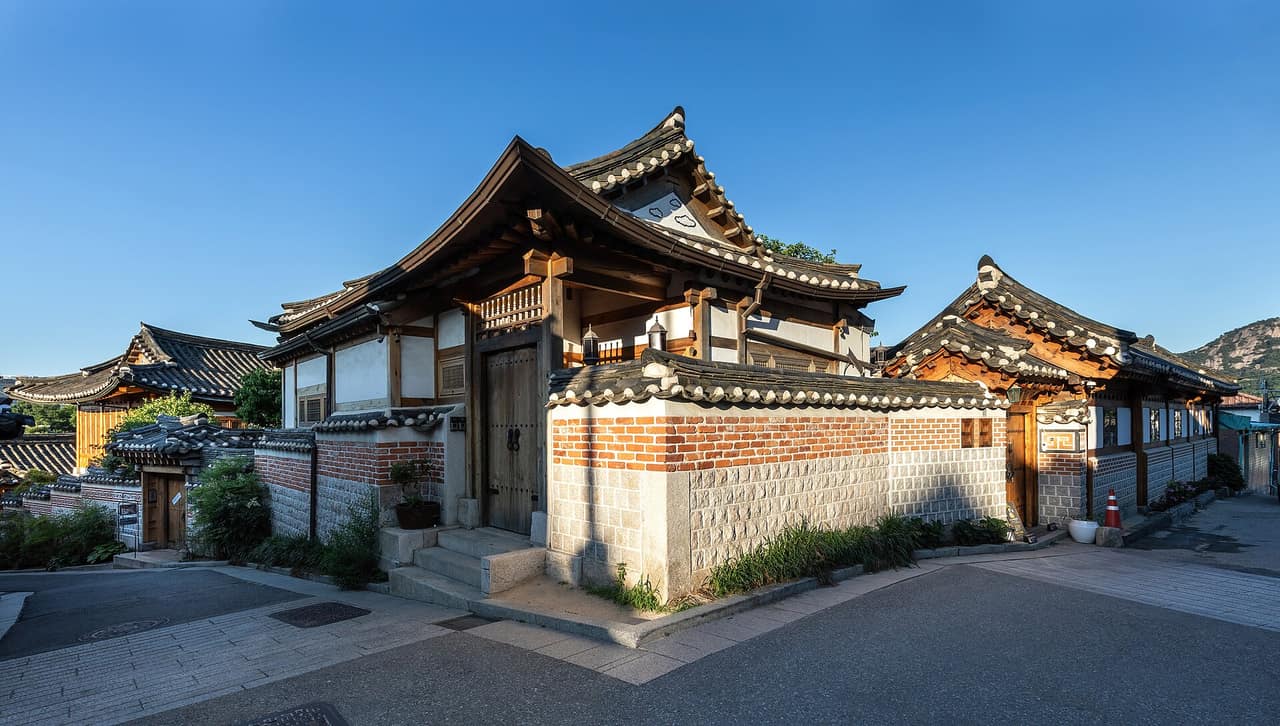
Seoul had a record 10.71 million visitors in the first half of 2026, and the city answered with rules that carry fines. Here is what the sights cost, which days they close, and the neighbourhood where arriving at the wrong hour is a fineable offence.
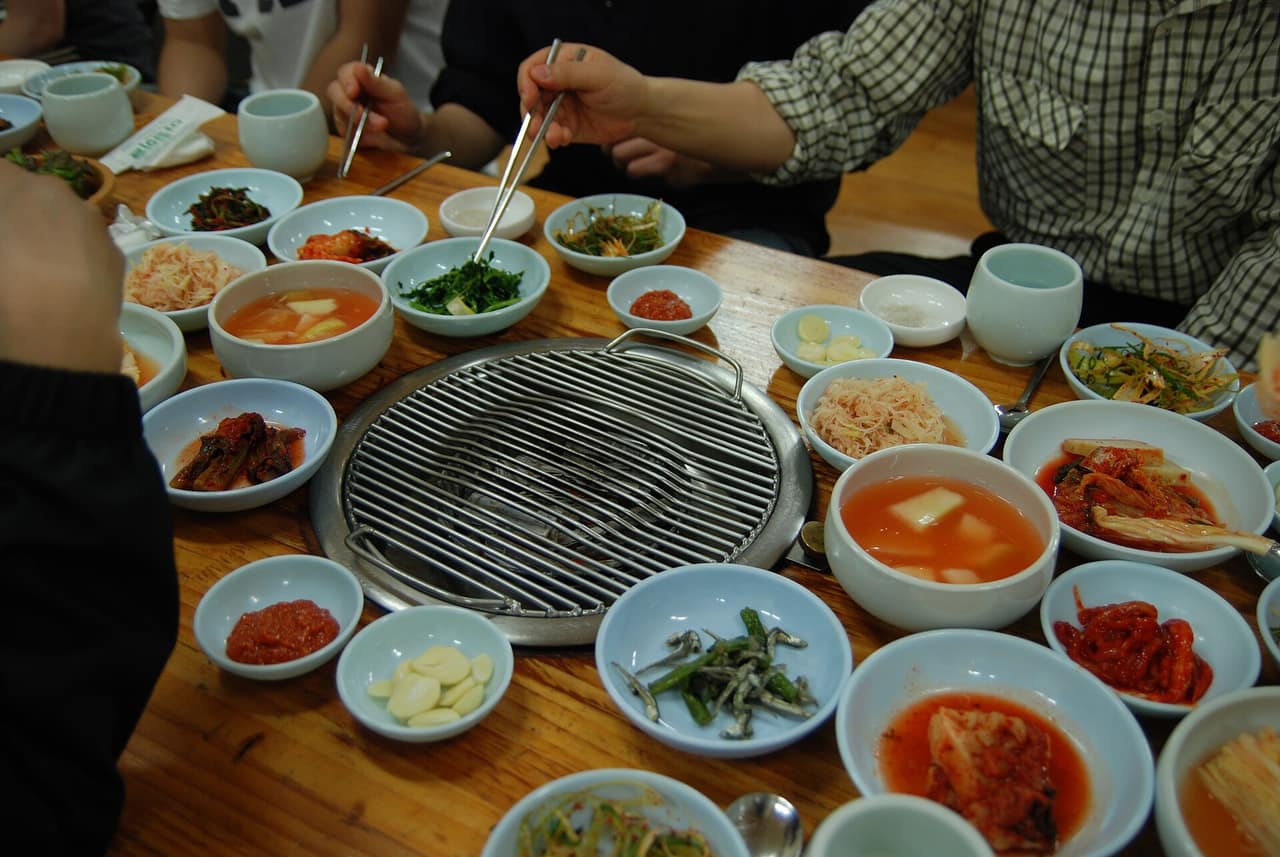
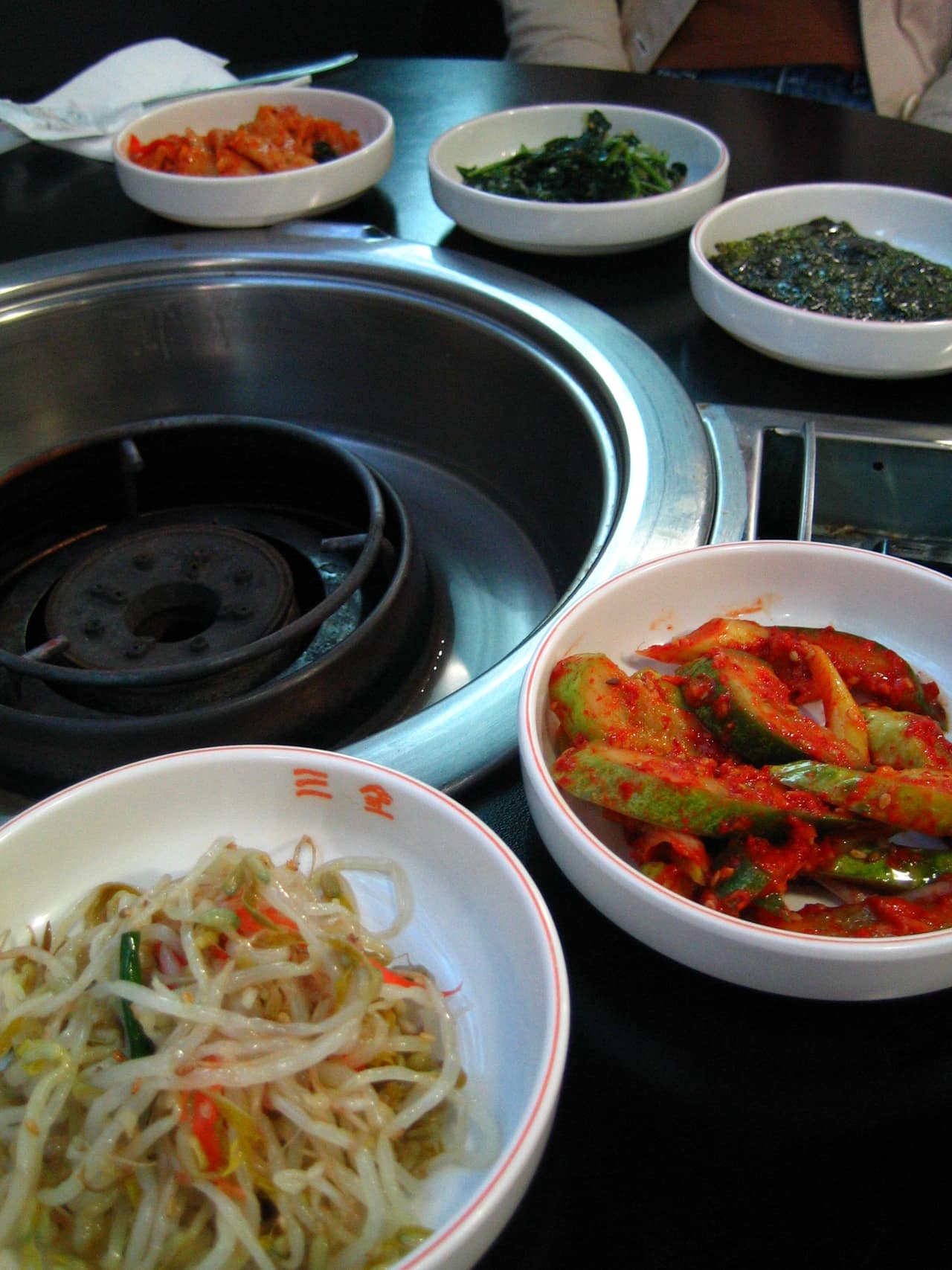
Your first Korean meal arrives as eight small dishes you did not order. They are free, they are refillable, and almost nobody writing about Korean food tells you either thing.