
Travel Advisor
What Is Backpacking Travel? The Word Means Two Different Things
One word, two activities that share almost nothing but a bag. Which one you mean changes the gear, the cost, the risk and the skills, so it is worth settling first.
A canopy stops the sun coming down. It does nothing about the UV bouncing up off the sand, which is most of what burns people who thought they were in the shade.
Affiliate disclosure. This guide contains affiliate links, including Amazon Associates links. If you buy through one, Smart Travel Info may earn a commission at no additional cost to you. Selection is based on published specifications, frame construction and shade geometry. Commission rates play no part in the ranking. See our editorial policy.
A canopy stops the sun coming down. It does nothing about the ultraviolet coming up.
Dry sand reflects around 15 percent of UV, rising to roughly 25 percent for sea foam and surf. That fraction arrives from below and, at low sun angles, from the side. A canopy covers neither.
This is why people burn while sitting in what they consider shade, and it is the thing to understand before you spend money on one. A canopy chair is a genuinely useful piece of kit. It is not sunscreen.
UPF, Ultraviolet Protection Factor, measures how much UV passes through a fabric. Unlike SPF, which covers UVB only, UPF accounts for both UVA and UVB.
| Rating | Blocks | Classification |
|---|---|---|
| UPF 15 to 24 | 93.3% to 95.9% | Good |
| UPF 25 to 39 | 96% to 97.4% | Very good |
| UPF 40 to 50+ | 97.5% to 98%+ | Excellent |
A UPF 40 fabric lets 1 unit through for every 40 that hit it.
Three things drive the rating:
The Skin Cancer Foundation's position is that a large proportion of the UV reaching you under a tree or an umbrella is indirect, and that only deep shade, where you cannot see the sky, offers complete protection. Under a beach canopy you can see plenty of sky.
So: canopy and sunscreen, reapplied. Not canopy instead of sunscreen.
A canopy that adjusts. Sun angle changes through the day. A fixed canopy protects you at one hour and shades your knees at another. Adjustable is the single most useful feature in the category.
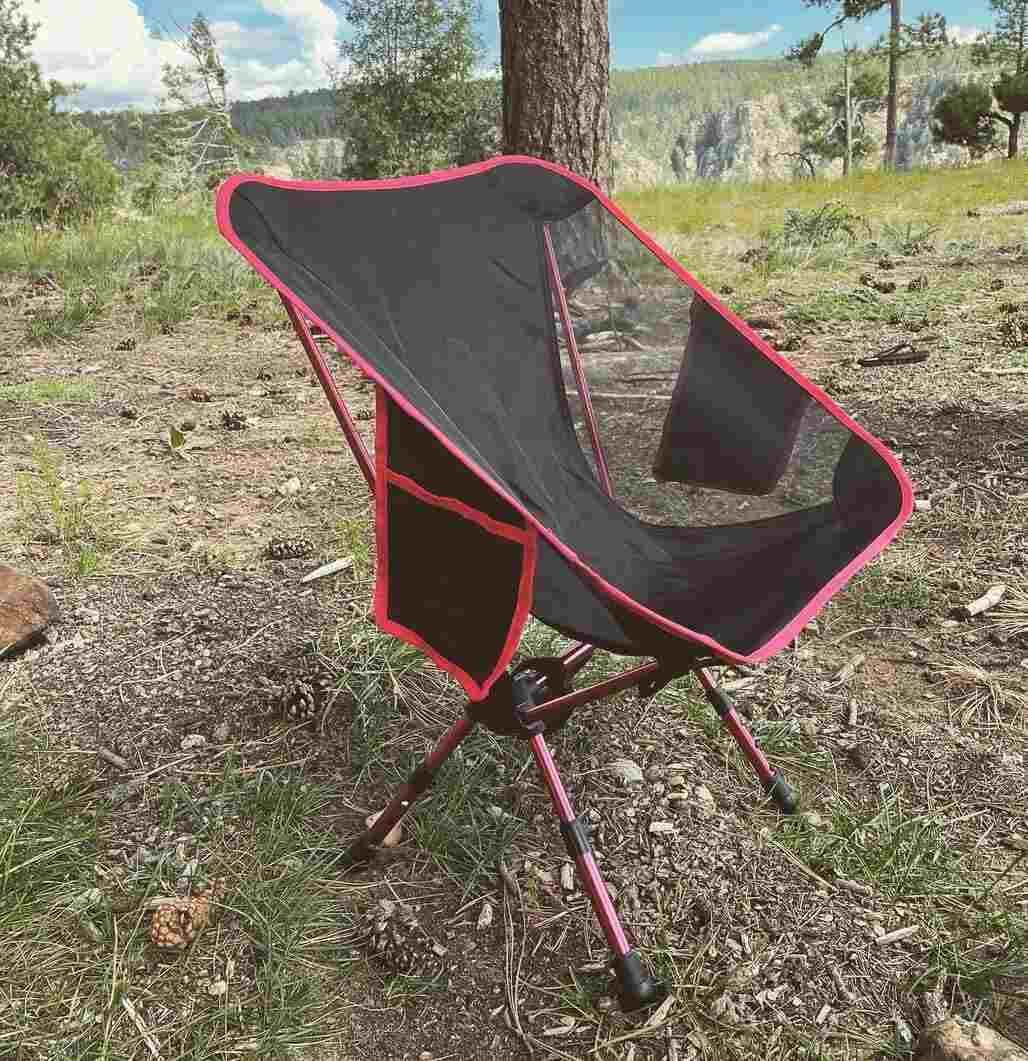
Seat height. The specification everyone forgets. Low backpack-style chairs sit close to the sand and are hard to get out of; higher frame chairs are far easier on knees and backs. Check the published seat height rather than assuming.
Frame material. Powder-coated steel is stronger and heavier. Aluminium is lighter and does not rust, which matters on salt water. Both need a rinse after a beach day.
Weight capacity, published by every reputable maker and worth checking honestly.
Carry method. Backpack straps if there is a long walk from the car park. A shoulder strap if there is not.
Fabric that dries. Ripstop polyester and mesh panels dry fast and resist mildew. Which matters, because a chair put away damp grows mould.
Availability and prices move constantly. These are picked on frame construction, canopy adjustability and seat height rather than on today's price.
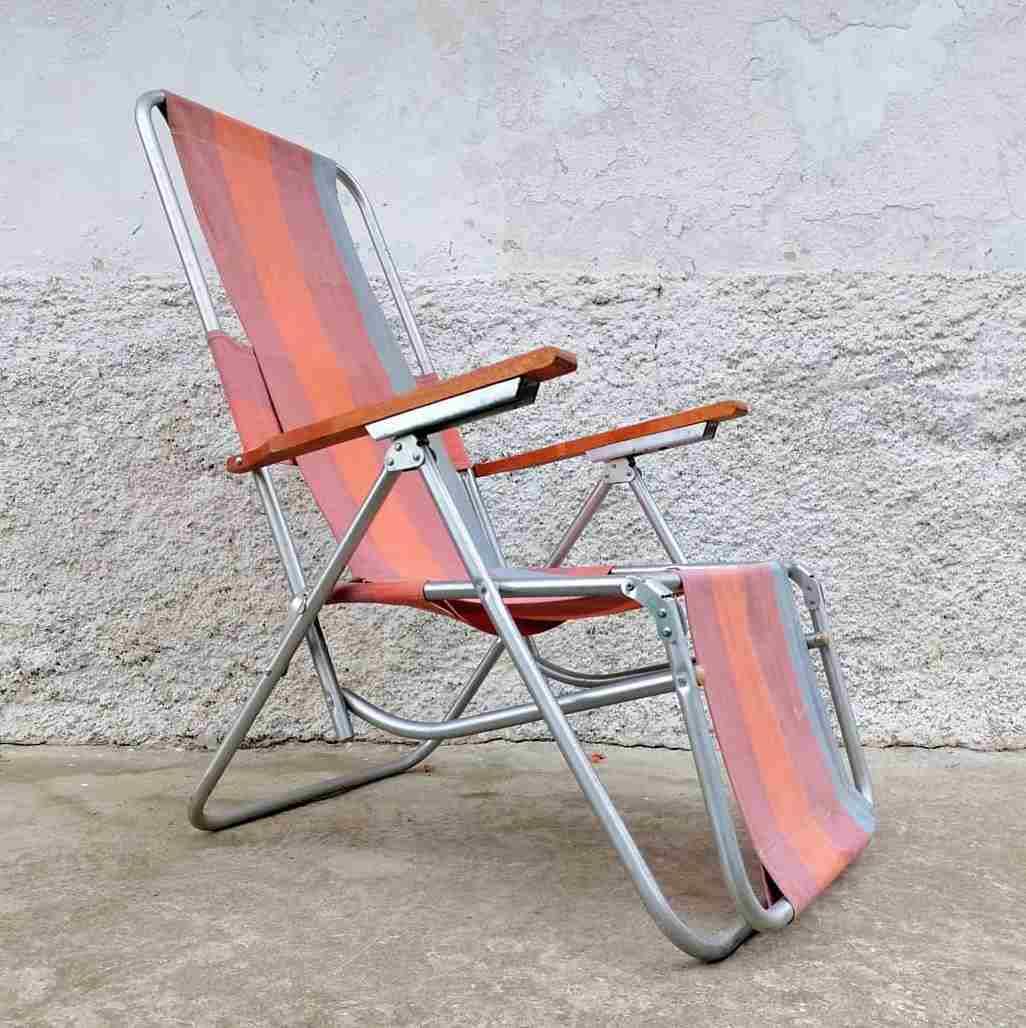
The chair most people picture when they hear "canopy chair": a fold-up frame with a fixed hoop canopy over the head and shoulders, and a low seat. Simple, cheap and effective at the one job it does.
Backpack straps, a reclining back and a deployable sunshade. The recline is the differentiator: most canopy chairs have one position, and a chair you can lie back in is a different product on a long afternoon.
The canopy pivots and slides, which is what lets you track the sun through an afternoon rather than moving the whole chair. If you sit out for hours, this is the feature worth paying for.
Heavier steel frame with a higher published weight capacity and a wider seat. The trade-off is carrying weight, which is why this is a car-to-sand chair rather than a hike-in one.
Worth naming honestly. A pop-up shelter with a UPF 50+ rating and a back wall blocks reflected UV from one side as well as overhead, which no chair canopy does. It costs more effort to set up and it needs anchoring in wind.
Angle the canopy into the wind. A canopy is a sail, and chairs blowing over is the most common complaint in the category. Point it at the wind rather than across it, and weight the frame with a bag.
Move it through the day. Set for the sun's current position, not where it was when you arrived.
Keep applying sunscreen. Reflected UV is the whole point of this guide. Sitting under a canopy on bright sand is not the same as being indoors.
Rinse and dry after every beach day. Salt corrodes frames and damp fabric grows mildew, which is a far more common way for these chairs to die than any structural failure.
If a chair has already gone mouldy, it is usually recoverable. Our guide to removing mildew from beach and camping chairs covers why bleach is the wrong tool for chair fabric and what to use instead.
Check the seat height and whether the canopy adjusts. Those two specifications determine whether you use the chair or resent it, far more than the brand does.
Then plan for reflected UV rather than assuming the canopy has solved sun exposure. Sunscreen on the underside of the chin, the nose and the tops of the feet, which is exactly where the sand bounces it.
Partly. It blocks direct overhead UV, which is the largest single component, but it does nothing about UV reflected up off the sand and water or arriving from the side at low sun angles. The Skin Cancer Foundation's position is that only deep shade, where you cannot see the sky, offers complete protection.
Ultraviolet Protection Factor 50 means roughly 1 unit of UV passes through for every 50 that hit the fabric, blocking about 98 percent. UPF measures both UVA and UVB, unlike SPF which measures UVB only. UPF 40 to 50+ is rated excellent, 25 to 39 very good, and 15 to 24 good.
Around 15 percent for dry sand, rising to roughly 25 percent for sea foam and surf. Water reflects less than 10 percent at the surface and pavement around 5 to 10 percent. That reflected fraction arrives from below, where a canopy does not cover.
Dense weaves in dark or bright colours. Densely woven canvas, denim or synthetic fabric protects better than sheer or loosely woven material, dark colours absorb UV rather than letting it through, and polyester is particularly good because its molecular structure absorbs UV directly.
For a full day on open sand with no natural shade, yes. They save you carrying an umbrella and they do not blow over. For a short visit or a beach with palapas, an umbrella or the existing shade is simpler.
Angle the canopy into the wind rather than across it, and weight the frame. A canopy is a sail. This is the single most common complaint about the design and it is a positioning problem rather than a product fault.
Backpack chairs carry easily and sit low, which suits a long walk to the sand. Frame chairs sit higher and are far easier to get out of, which matters for anyone with knee or back problems. Seat height is the specification people forget to check.
One word, two activities that share almost nothing but a bag. Which one you mean changes the gear, the cost, the risk and the skills, so it is worth settling first.
Two decisions cover almost everything: get the length right for your weight, and choose a continuous rocker. Everything else is preference and price.
Bleach is the reflex and it is the wrong tool on chair fabric. It removes the stain, leaves the growth, and wrecks the colour. Here is the method that works.