

Travel Advisor
What Is Backpacking Travel? The Word Means Two Different Things
One word, two activities that share almost nothing but a bag. Which one you mean changes the gear, the cost, the risk and the skills, so it is worth settling first.
Most bad kayak rental days are decided at the counter, not on the water. Eight questions, asked before you hand over a card, cover almost all of it.
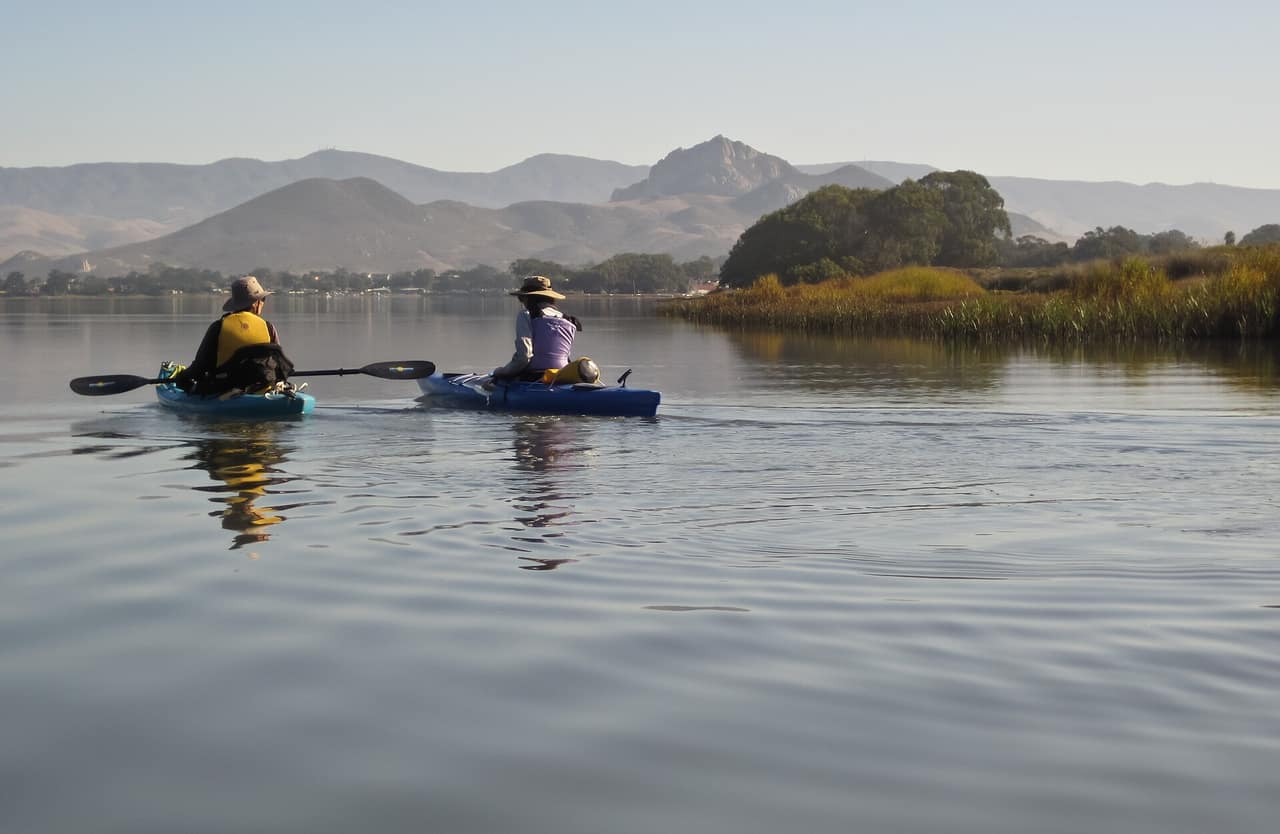
Most bad kayak rental days are decided at the counter, not on the water. The boat is wrong for the conditions, the flotation device does not fit, or nobody has mentioned which way the wind will be blowing when you turn round.
Eight questions, asked before you pay, cover almost all of it.
The single most common way rental paddlers get into trouble. With a following wind you cover ground effortlessly and feel strong. Then you turn round and paddle back into it, tired, in a boat that catches wind like a sail.
Ask which direction the wind is forecast to be and plan the hard leg first. Head out into the wind while you are fresh and come back with it behind you. On any open water, this reverses the failure mode entirely.
| Sit-on-top | Sit-inside | |
|---|---|---|
| Stability | Higher | Lower initially, better in chop |
| If you capsize | Slide off, climb back on | Need a wet exit and a recovery |
| Wet | Yes, always | Drier |
| Cold weather | Poor | Better |
| Speed and tracking | Slower | Faster |
| Right for a first rental | Yes | Only with instruction |
Take the sit-on-top for a first outing. The trapped-in-the-boat fear that stops people enjoying kayaking simply does not apply to one.
Not "is there one," but does it fit. A personal flotation device that is too loose rides up over your face in the water, which is worse than useless.
The test: fasten it, then have someone pull firmly upward on the shoulder straps. If it moves past your ears, it is too big or too loosely adjusted.
Check it is an approved device rather than a comfort vest. And wear it, rather than sitting on it, which is what an alarming number of rental paddlers do.
Not the air temperature. Dress for immersion, because that is the scenario the clothing is for.
Cold water shock is a real and fast mechanism: an involuntary gasp on immersion, followed by hyperventilation and rapidly reducing muscle function. It occurs at temperatures many people would describe as merely chilly.
Quick-drying synthetics, footwear that stays on when you swim, and a wetsuit if the water is genuinely cold. Cotton is the material to avoid.
Rental operators know the local hazards and will tell you if you ask. What you want to hear about:
Read what you are signing. Some operators hold a card deposit against damage; some charge for late return by the hour; some exclude specific water from their cover, which matters if something goes wrong.
Ask what happens if you cannot get back: is there a pickup, and does it cost?
Ask for a demonstration, then practise it in shallow water within the first ten minutes, before you are tired and far from shore.
On a sit-on-top, the technique is to work from the side, get your torso across the boat, then swing your legs round, keeping your weight low. It is easy when you have done it once and disorientating when you have not.
Two hours for a first rental. Paddling loads the shoulders, lats and core in ways most people never train, and beginners consistently overestimate their range.
Extending at most operators is trivial. Un-tiring your shoulders in the middle of a lake is not.
Water, sun protection including a hat, a phone in a waterproof case on a leash, and a whistle if the operator does not supply one. The phone in the case is your rescue call; a phone in a dry bag in the hull is not accessible when you need it.
Rental happens in three places, and they are different products.
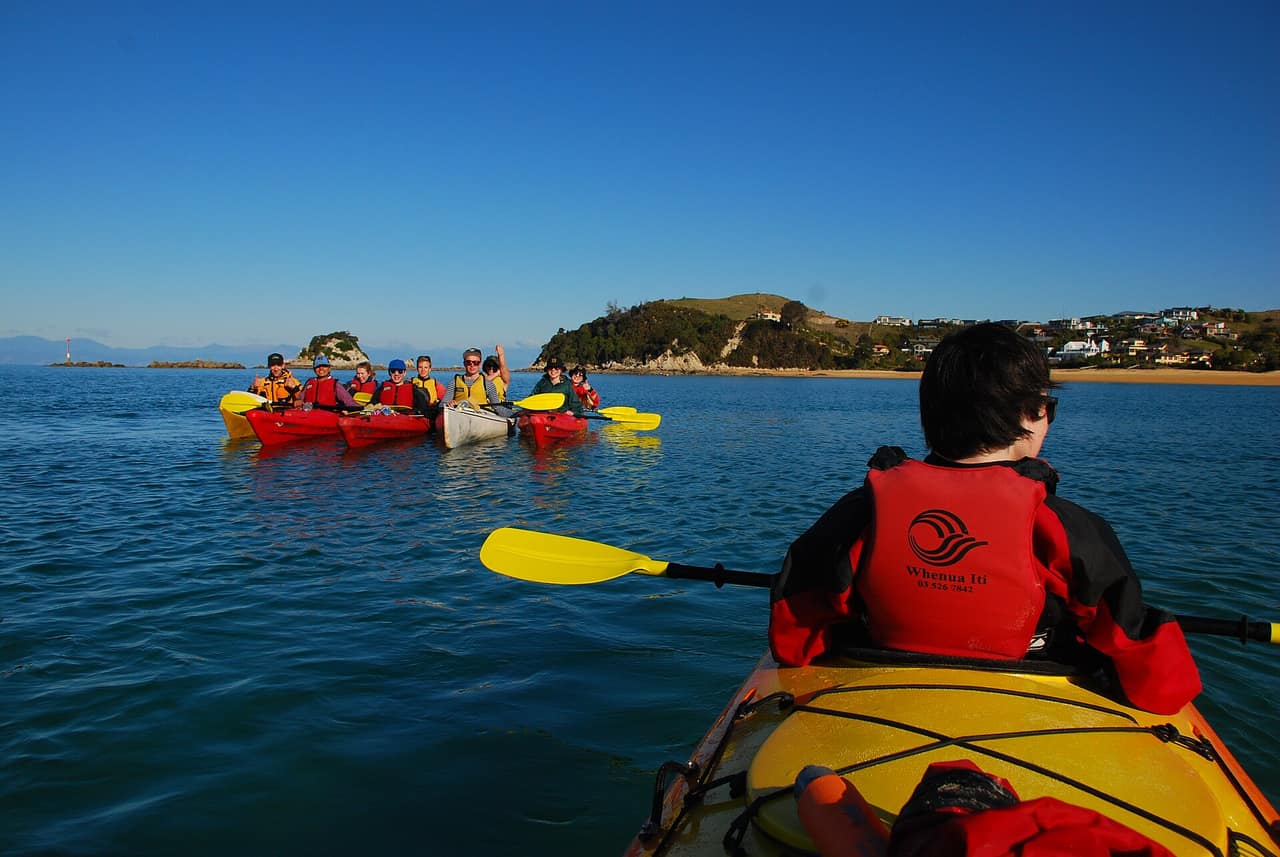
Beach and lakeside concessions. Hourly, cheap, sit-on-tops, minimal briefing, sheltered water. Right for a casual afternoon.
Outfitters and paddle shops. Half-day and full-day rates, better boats, real briefings, often shuttle services on rivers. Right for anyone doing a proper day out.
Guided trips. Considerably more expensive and the correct choice on tidal water, open coast, or anywhere you do not know. The guide is buying you access to water you should not be on alone.
Rates vary widely by region and season, so the useful comparison is not the headline hourly figure but what is included: flotation device, paddle, spray deck, dry bag, shuttle and briefing.
Renting somewhere specific? Lake Jocassee in South Carolina is one of the better paddling destinations in the South East, with the complication that it has a single public access point. Our Lake Jocassee guide covers the launch, the boat-in campsites and the rules.
Check the wind forecast before you book, and plan to paddle into it on the way out. That one decision prevents more rental incidents than any piece of equipment.
Then, at the counter: take the sit-on-top, check the flotation device by pulling on the shoulders, ask where you are not allowed to go, and book two hours rather than four.
Sit-on-top. It is more stable, you cannot be trapped in it, and if you capsize you climb back on rather than needing a recovery technique. Sit-inside kayaks are faster, drier and warmer, and they require you to know how to get out of and back into one.
For a sheltered lake or a slow river, no. Reputable operators give a short briefing and will refuse a rental if conditions or your answers suggest it is a bad idea. For open coast, tidal water or anything moving, experience or a guide is the honest requirement.
Dress for the water temperature, not the air. Quick-drying synthetics, footwear you can swim in, and a wetsuit if the water is cold. Cotton is the material to avoid because it holds water and pulls heat out of you.
Yes, reputable ones do, and in most jurisdictions carrying an approved personal flotation device is a legal requirement. Check that yours is approved and fits: it should not ride up past your ears when you pull the shoulders.
Two hours is usually right. Paddling uses muscles most people never load, and beginners consistently overestimate how far they want to go. It is easy to extend at most operators and impossible to un-tire your shoulders.
On a sit-on-top in flat water, you swim the boat to shallow water or climb back on from the side, keeping your weight low and centred. This is worth practising deliberately near the shore at the start of a rental, when it is a lesson rather than an emergency.
In a waterproof case on a leash, yes, and you should, because it is your means of calling for help. Loose in a pocket it will end up in the water, and a dry bag in the hull is no use when you need it.
One word, two activities that share almost nothing but a bag. Which one you mean changes the gear, the cost, the risk and the skills, so it is worth settling first.
Two decisions cover almost everything: get the length right for your weight, and choose a continuous rocker. Everything else is preference and price.
Bleach is the reflex and it is the wrong tool on chair fabric. It removes the stain, leaves the growth, and wrecks the colour. Here is the method that works.