
Travel Advisor
What Is Backpacking Travel? The Word Means Two Different Things
One word, two activities that share almost nothing but a bag. Which one you mean changes the gear, the cost, the risk and the skills, so it is worth settling first.
The physics are simple and the risk is not. A 2021 study of snorkel drownings found the mechanism is usually not inhaled water at all, and that the tube itself is part of the problem.
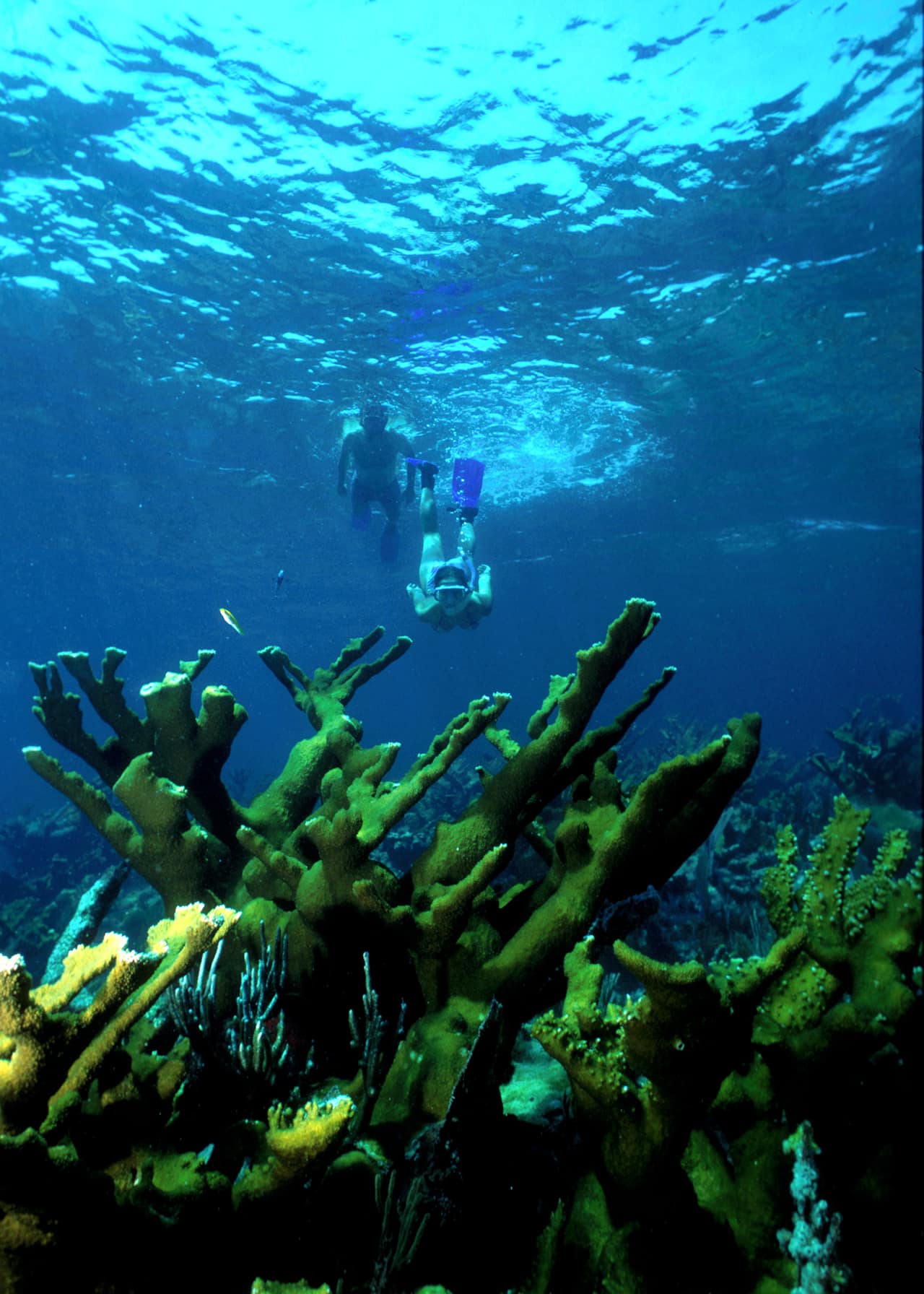
A snorkel is a tube. One end goes in your mouth, the other stays above the water, and you breathe through it while your face points down. That is the whole mechanism, and it is why the equipment looks so simple.
The risk is not simple. Hawaii's Snorkel Safety Study, whose final report was published in June 2021, investigated why people drown while snorkelling and found something most guides do not mention: inhaled water is rarely the trigger. The mechanism is usually fluid accumulating in the lungs, and the resistance of the tube you are breathing through is one of the risk factors.
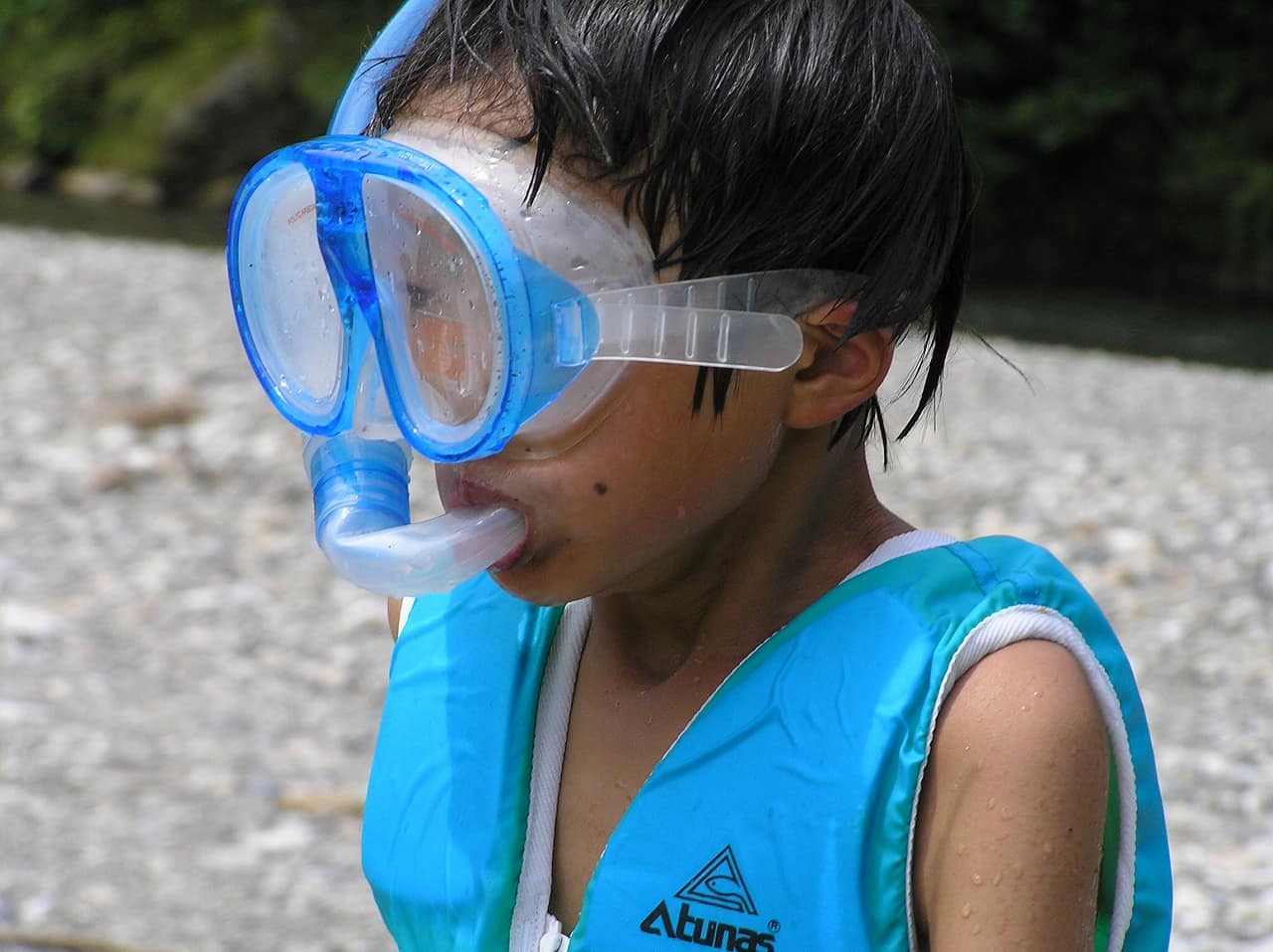
The air inside the tube does not leave when you exhale. You push it up the barrel, and on your next breath you pull it back down and rebreathe it. That volume is called dead space, and it is exhaled air: lower in oxygen, higher in carbon dioxide.
A longer or wider tube holds more dead space. This is the reason snorkels are not sold in three-foot lengths, and it is one of two constraints on how long a snorkel can be.
The other constraint is pressure. At depth, water presses on your chest with a force your diaphragm has to overcome to inflate your lungs, while the air at the top of the tube stays at atmospheric pressure. By about a metre down, the pressure difference is more than the respiratory muscles can work against for any length of time.
That is why snorkels are around 30 to 40cm and why there is no snorkel that lets you breathe at depth. Dive below the surface and you are breath-holding, with a tube full of water to clear on the way back up.
Every constriction in the airway makes breathing harder: a narrow bore, a small mouthpiece, a tight bend, a valve. That extra work is trivial when you are sitting still. It is not trivial when you are also swimming, cold, and possibly anxious.
The Snorkel Safety Study lists degree of the snorkel's resistance to inhalation as the first of its three risk factors for SI-ROPE. Its equipment guidance follows directly: "Avoid constrictions in bore size or mouthpiece caliber, which may increase resistance to inhalation."
This is the part worth reading carefully, because it changes what you should worry about.
SI-ROPE, Snorkel Induced Rapid Onset Pulmonary Edema, is fluid accumulating in the lungs during snorkelling. The study identified it as a common factor in snorkel-related drownings and near-drownings.
The three risk factors it names:
Among the near-drowning survivors it surveyed:
The typical sequence the study describes:
The study's advice, verbatim in substance: shortness of breath is a sign of danger. Stay calm, remove the snorkel, breathe slowly and deeply, stand up, get out of the water immediately.
Notice what is not on that list. Not "swim to shore," not "signal and wait." Remove the snorkel and stand up. The single most protective habit is staying where you can touch the bottom.
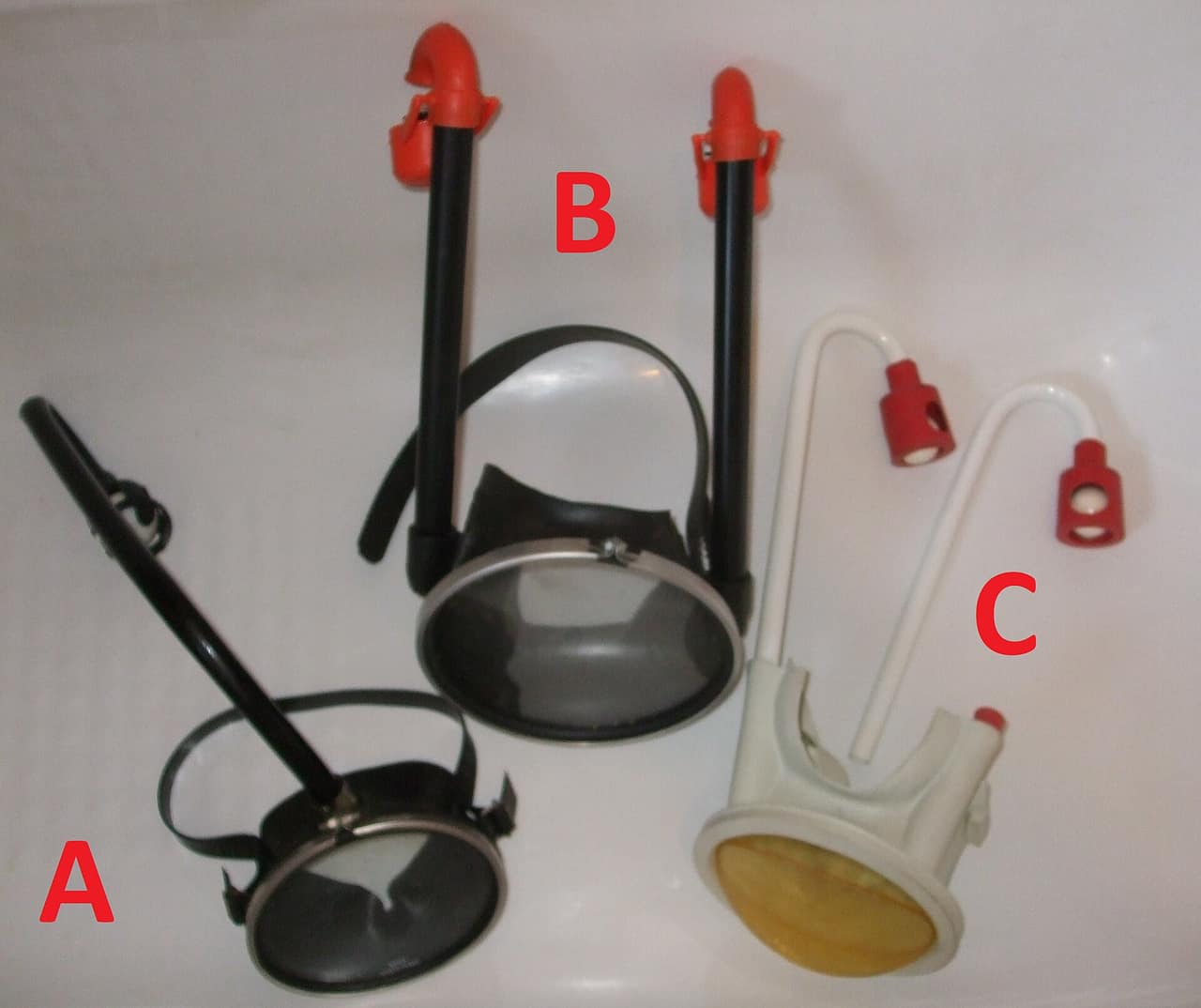
A full-face mask covers the eyes, nose and mouth in one sealed unit and you breathe normally rather than through a mouthpiece. That is a genuine comfort advantage, particularly for people who dislike a mouthpiece or cannot maintain a seal on one.
The structural concerns are specific and worth stating plainly:
Combined with the survey finding, that is enough to make a considered choice rather than a default one. If you use a full-face mask: buy one from a manufacturer that publishes its standards compliance, fit it properly, practise removing it in shallow water, and stay where you can stand.
If you are choosing between designs, our guide to full-face snorkel masks covers what the CE and EN standards actually certify, how the separated-airflow designs differ, and which fit problems produce the failures.
Fit the mask first. Press it to your face without the strap and inhale through your nose. It should hold itself in place. If it does not, it will leak all day, and no amount of strap tension fixes a bad seal. Hair under the skirt is the most common cause of a leak.
Set the snorkel angle. The barrel should sit roughly vertical when your face is in the water and your eyes are looking down and slightly forward. If you have to lift your head to keep the top clear, the attachment point is wrong.
Breathe slowly and deeply. Short shallow breaths waste effort on the dead space and do less to exchange the air in your lungs. This is the single technique change that makes snorkelling less tiring.
Clear with one sharp blast. Do not blow gently; the tube empties on a forceful exhalation. Practise it standing in waist-deep water before you swim out.
Defog before you get in. Anti-fog solution, or the well-known method of a smear of saliva rubbed round the inside of the lens and rinsed. Do it once on dry glass and it lasts most of a session.
Recreational snorkelling is not a benign low-risk activity, and that phrasing is the study's, not ours. It applies to strong swimmers as much as to beginners.
Buy a snorkel with a wide, smooth bore and a mouthpiece that does not constrict, and fit the mask before you buy anything else. Then practise clearing the tube standing in the shallows.
On the day, pick a spot where you can stand, go with someone, and treat unexpected breathlessness as the emergency it is rather than as a reason to push on to the next patch of reef.
It is an open tube that holds one end above the water while your face stays below it, so you can breathe without lifting your head. The tube contains a volume of air you rebreathe on every cycle, called dead space, and that plus the tube's diameter determines how hard the breathing is.
You cannot. A snorkel only works when its top is above the surface. Dive below and you hold your breath exactly as you would without one, then clear the tube when you come back up. There is no snorkel design that lets you breathe at depth.
Snorkel Induced Rapid Onset Pulmonary Edema. Fluid accumulates in the lungs during snorkelling, causing sudden breathlessness and loss of strength. Hawaii's Snorkel Safety Study identified it as a common factor in snorkel drownings and near-drownings, and found that inhaled water is rarely the trigger.
The evidence is concerning rather than conclusive. Among near-drowning survivors surveyed by the Snorkel Safety Study, 38 percent were wearing one and 90 percent of those considered it a contributing factor. The structural problems are that you cannot spit out a mouthpiece, cannot clear the tube with a sharp exhalation, and cannot remove the mask quickly in an emergency.
Sudden shortness of breath, unexpected fatigue and loss of strength, then a feeling of panic. The study's advice is direct: stay calm, remove the snorkel, breathe slowly and deeply, stand up if you can, and get out of the water immediately.
The study could not confirm a link between recent prolonged air travel and SI-ROPE, but considered the physiology supportive enough to advise waiting several days after arriving by air before snorkelling. That is a cautious recommendation from the people who investigated the deaths.
A sharp, forceful exhalation as you surface, which blasts the water out of the top. Purge-valve snorkels make this easier by giving the water a low exit near the mouthpiece. This is a skill worth practising in shallow water before you need it.
One word, two activities that share almost nothing but a bag. Which one you mean changes the gear, the cost, the risk and the skills, so it is worth settling first.
Two decisions cover almost everything: get the length right for your weight, and choose a continuous rocker. Everything else is preference and price.
Bleach is the reflex and it is the wrong tool on chair fabric. It removes the stain, leaves the growth, and wrecks the colour. Here is the method that works.