
Destinations
Where to Eat in Seoul: 71 Bib Gourmands Against 42 Stars
The best-value restaurant list in Seoul is not the starred one. Here is how I choose where to eat, and the honest situation at the market everyone tells you to visit.
South Korea waived its travel authorisation for 2026, and that waiver has an expiry date most guides do not mention. This is the trip planning I do before anything else.
The first thing I check before a Seoul trip is not flights or hotels. It is whether I need a K-ETA, the electronic travel authorisation, and in 2026 the answer for most Western passports is no. Korea's Ministry of Foreign Affairs extended the temporary exemption to run 1 January to 31 December 2026.
There is a catch buried in that notice, and I have not seen it in a single travel guide. Exempt travellers still have to fill in a paper arrival card. The only way to skip it is to voluntarily apply for a K-ETA you do not legally need, at 10,000 KRW, non-refundable, with processing that officially takes up to 72 hours.
So the exemption saves you a form and a fee, and costs you a form. That is the whole trade, and it is worth knowing before you stand in an immigration queue looking for a pen.
If your passport is on the visa-free list, you are also on the K-ETA exemption list for 2026. You turn up, you complete an arrival card, you go through immigration.
Two things I would flag. First, the exemption is temporary and dated. It was extended once already and it expires on 31 December 2026, so a trip booked now for spring 2027 sits on the wrong side of a rule that may or may not be renewed. Second, if you already hold a valid K-ETA from a previous trip, you can keep using it until it expires.
The official application site is k-eta.go.kr, and the government's own page carries a warning about third-party sites charging inflated fees for the same 10,000 KRW application. If you decide to apply, apply there.
The exemption has a hard end date of 31 December 2026 (KST). Anything departing after that needs re-checking against the K-ETA site rather than against any article, including this one. Rules with expiry dates are exactly the thing travel content gets wrong, because it gets written once and never revisited.
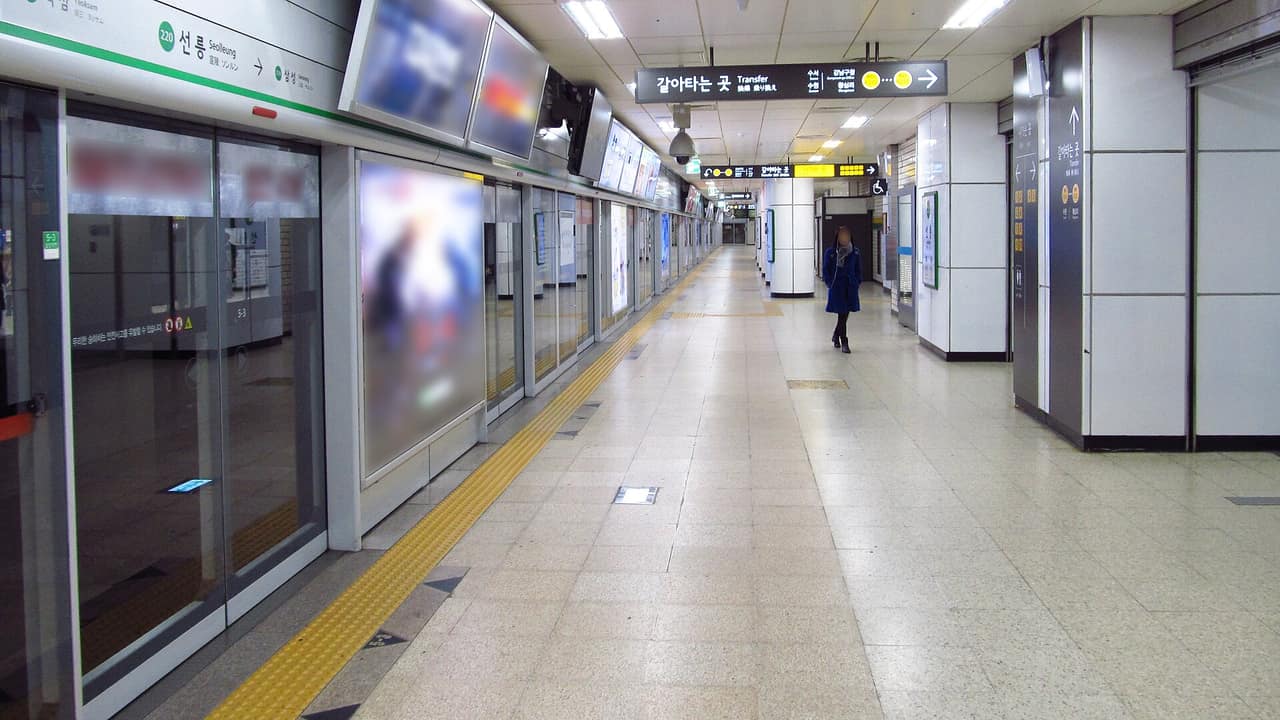
Two things, both at the airport, and they set up the whole trip.
T-money is the stored-value card that runs the subway, city buses and most taxis. You buy the card itself for a small one-off cost at any convenience store, including the ones at Incheon, then load it with cash.
I get one immediately because the alternative is buying a single-journey ticket every time, which involves a deposit you then queue to reclaim. The card also works in convenience stores, which quietly solves the problem of small change.
Incheon is a long way out. The AREX airport railway is how you cover it:
| Service | Journey to Seoul Station | Relative cost |
|---|---|---|
| Express | About 43 minutes, no stops | Roughly double the all-stop fare |
| All-stop | About 15 minutes longer | The cheaper option, and T-money works on it |
Unless you are arriving with a deadline, take the all-stop. The time difference is small and the express requires a separate ticket.
Check current fares and timetables on the official Seoul travel guide rather than trusting a figure in an article, because transit pricing moves.
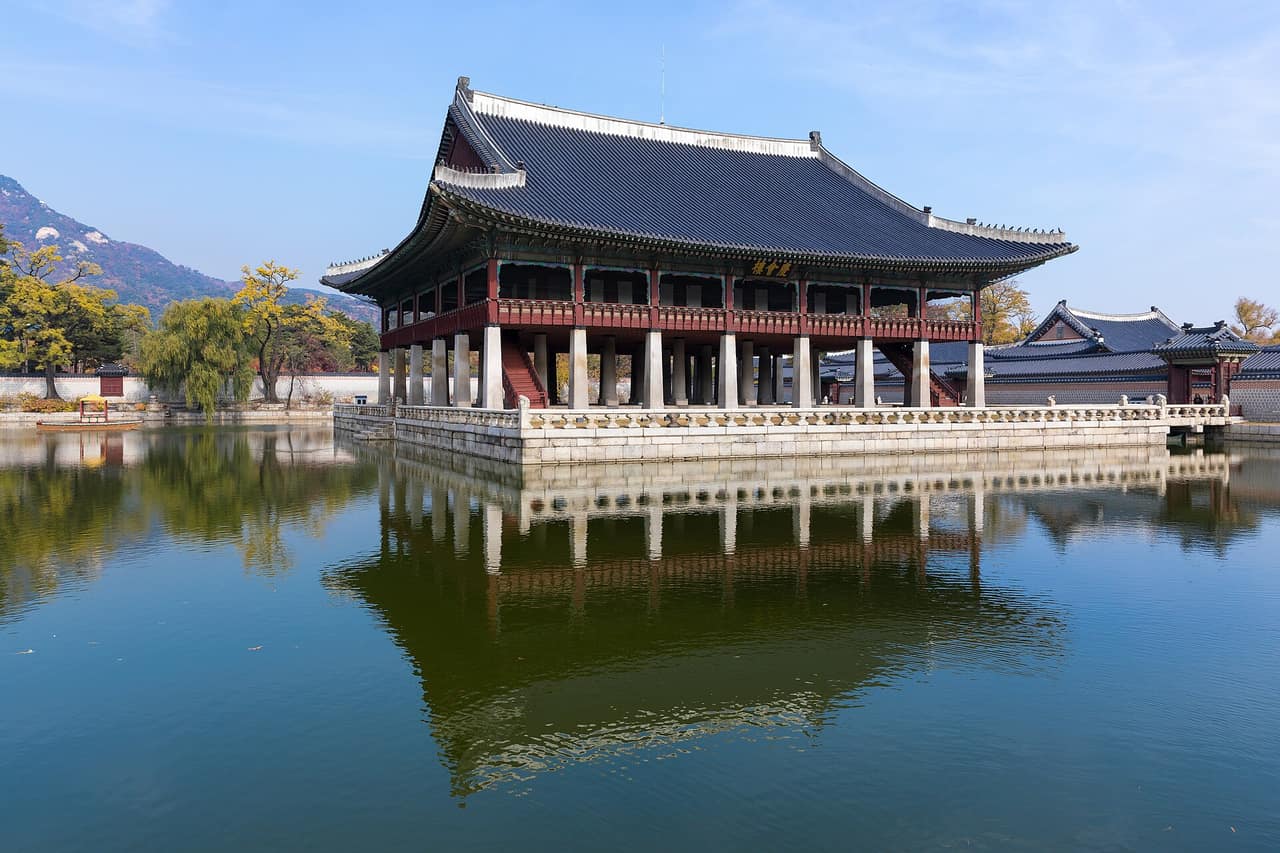
Seoul splits cleanly north and south of the Han River, and I plan around that split rather than around a list of sights.
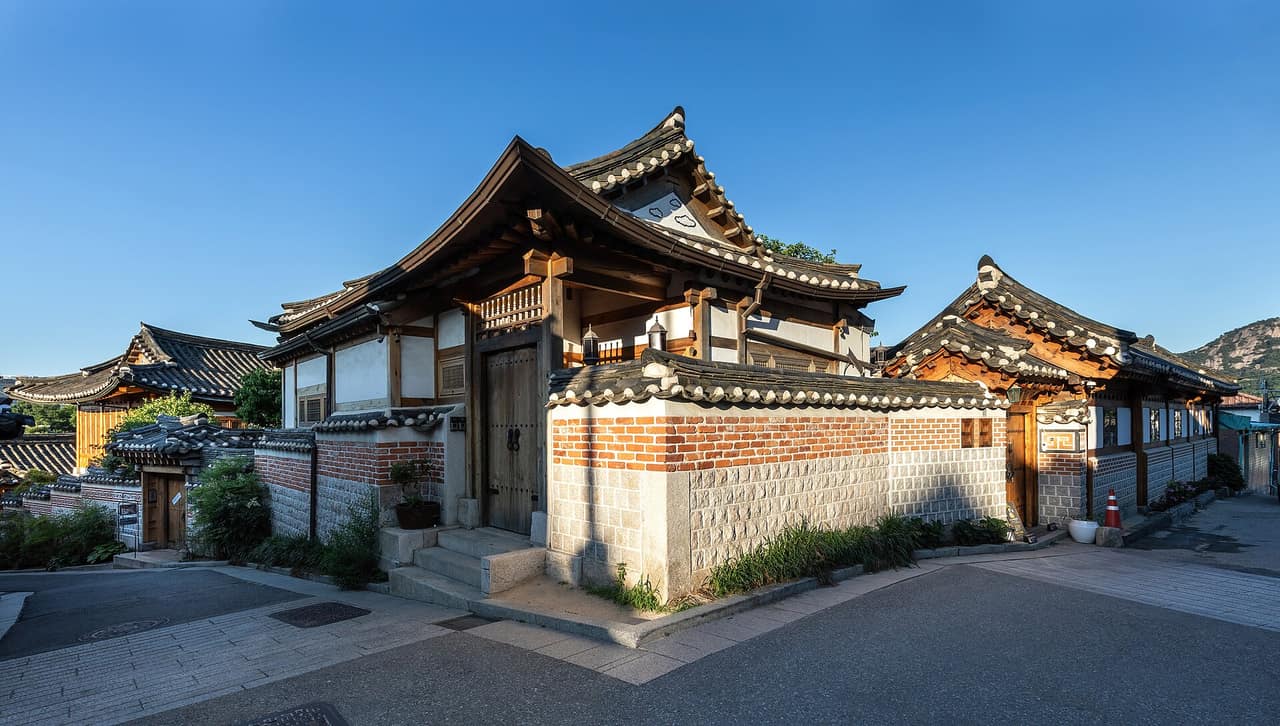
North of the river is the historic city: the palaces, Bukchon's hanok streets, Insadong, and the hill neighbourhoods. This is where the first two days go.
South of the river is Gangnam, the shopping and the newer money. Worth half a day unless you have a specific reason.
A working four-day shape, which is what I would give someone with a week in Korea and Seoul as the base:
Three days works if you drop the day trip. Two forces a choice between the old city and the new one, and I would take the old city.
A DMZ tour has to be booked ahead, runs on fixed departure times, requires your passport on the day, and is cancelled at short notice when conditions change. If it matters to you, book it first and build the rest of the days around it.
Long flight to get there, and it lands you at the wrong end of a 13-hour time difference from the US east coast. My evidence-based long-haul flight guide covers the light-exposure timing that actually shifts your body clock, which matters more on this route than on almost any other.
Two good windows, and two I avoid.
| Season | What to expect |
|---|---|
| Late September to early November | The reliable window. Dry, clear, cool, autumn colour through October |
| April to May | Blossom and mild air. Blossom timing moves by up to two weeks, so it is a gamble |
| June to August | Monsoon rain from late June, then heat and humidity. Cheapest, and hard work |
| December to February | Cold and dry, often below freezing. Quiet, and the food is at its best in it |
I would take October over April if the dates are open. Autumn colour is predictable in a way cherry blossom is not, and the weather is the most settled of the year.
The city is bigger than the map suggests. Two neighbourhoods that look adjacent can be a 40-minute subway ride apart. Plan by district, not by distance.
Almost nothing opens early. Museums and palaces open around nine or ten, and the shopping districts much later. Mornings are for markets and walking, not for browsing.
Cash matters less than anywhere I have planned a trip for. Cards work almost everywhere. T-money covers most of the rest.
Mondays and Tuesdays close things. Most palaces close one day a week and the day varies between them, which is a genuinely annoying planning constraint. Check the specific site before you build a day around it.
English signage is excellent on transit and patchy off it. Subway, airport and major sights are fully signed. Small restaurants often are not, and a translation app earns its place.
Planning the trip properly? The two questions I get asked next are what to actually do with the days and what to eat, and both deserve their own guide rather than a paragraph here. They are the next two pieces I am publishing in this series.
Check your passport against the K-ETA exemption list today, before anything else, because it is the only item on this list with a deadline attached. If you are travelling in 2026 you are almost certainly fine. If you are planning into 2027, treat the rule as unresolved.
Then book the DMZ tour if you want one, because it is the only fixed point in a Seoul week, and buy a T-money card in the first ten minutes after you land. Everything else in this city rewards deciding on the day.
Not in 2026, if you hold a passport from one of the countries already exempt. Korea's Ministry of Foreign Affairs extended the temporary K-ETA exemption from 1 January to 31 December 2026. From 1 January 2027 the exemption is not guaranteed, so check before booking anything for next year.
Only to skip the arrival card. The official notice is explicit that exempt travellers still submit an arrival card unless they hold K-ETA approval. It costs 10,000 KRW, it is non-refundable and it takes up to 72 hours. I would not bother for one trip.
It is the stored-value card that runs Seoul's subway, buses and taxis. The card costs a few thousand won at any convenience store and you load it with cash. Get one at the airport before you do anything else, because paying single fares is slower and more expensive.
The AREX airport railway. The express runs direct to Seoul Station in around 43 minutes, and the all-stop service costs roughly half as much for maybe 15 minutes more. Your T-money card works on the all-stop train.
Four full days covers the palaces, two or three neighbourhoods and a day trip. Three is tight but workable. Under three and you are choosing between the historic core and the modern city rather than seeing both.
Late September through early November, then April into May. Those two windows avoid the summer monsoon and the January cold. Autumn is the more reliable of the two because cherry blossom timing moves by up to two weeks year to year.
Less than Tokyo and much less than western Europe for food and transit. Subway rides and a good bowl of noodles both cost very little. Accommodation is where the money goes, and it rises sharply in Myeongdong and Gangnam against neighbourhoods three subway stops out.
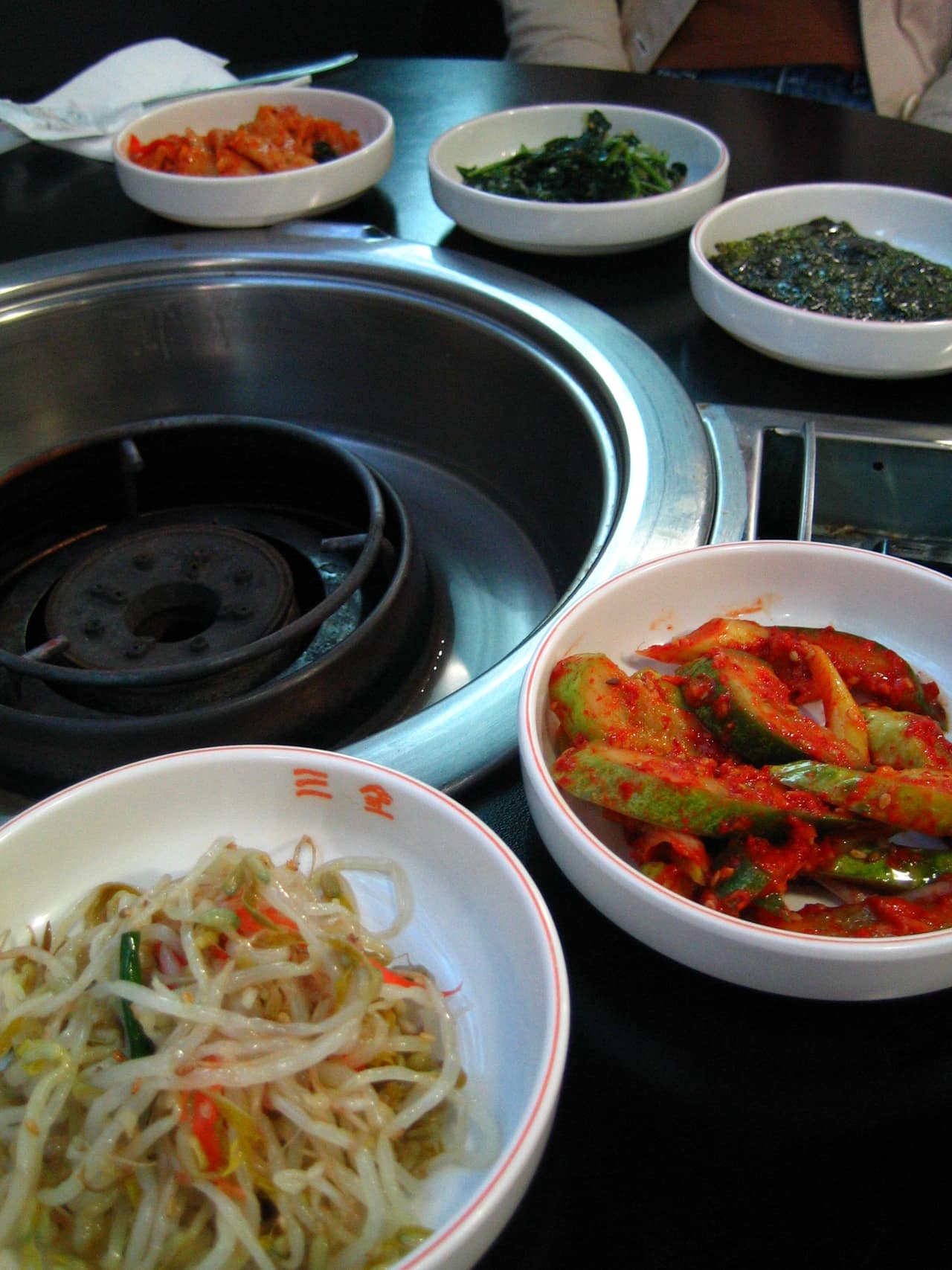
The best-value restaurant list in Seoul is not the starred one. Here is how I choose where to eat, and the honest situation at the market everyone tells you to visit.
Three days is the right length for Rome and the tickets are where people lose money. Two official sites, two mandatory fees, and a route that avoids crossing the city twice.
Seoul had a record 10.71 million visitors in the first half of 2026, and the city answered with rules that carry fines. Here is what the sights cost, which days they close, and the neighbourhood where arriving at the wrong hour is a fineable offence.