
Destinations
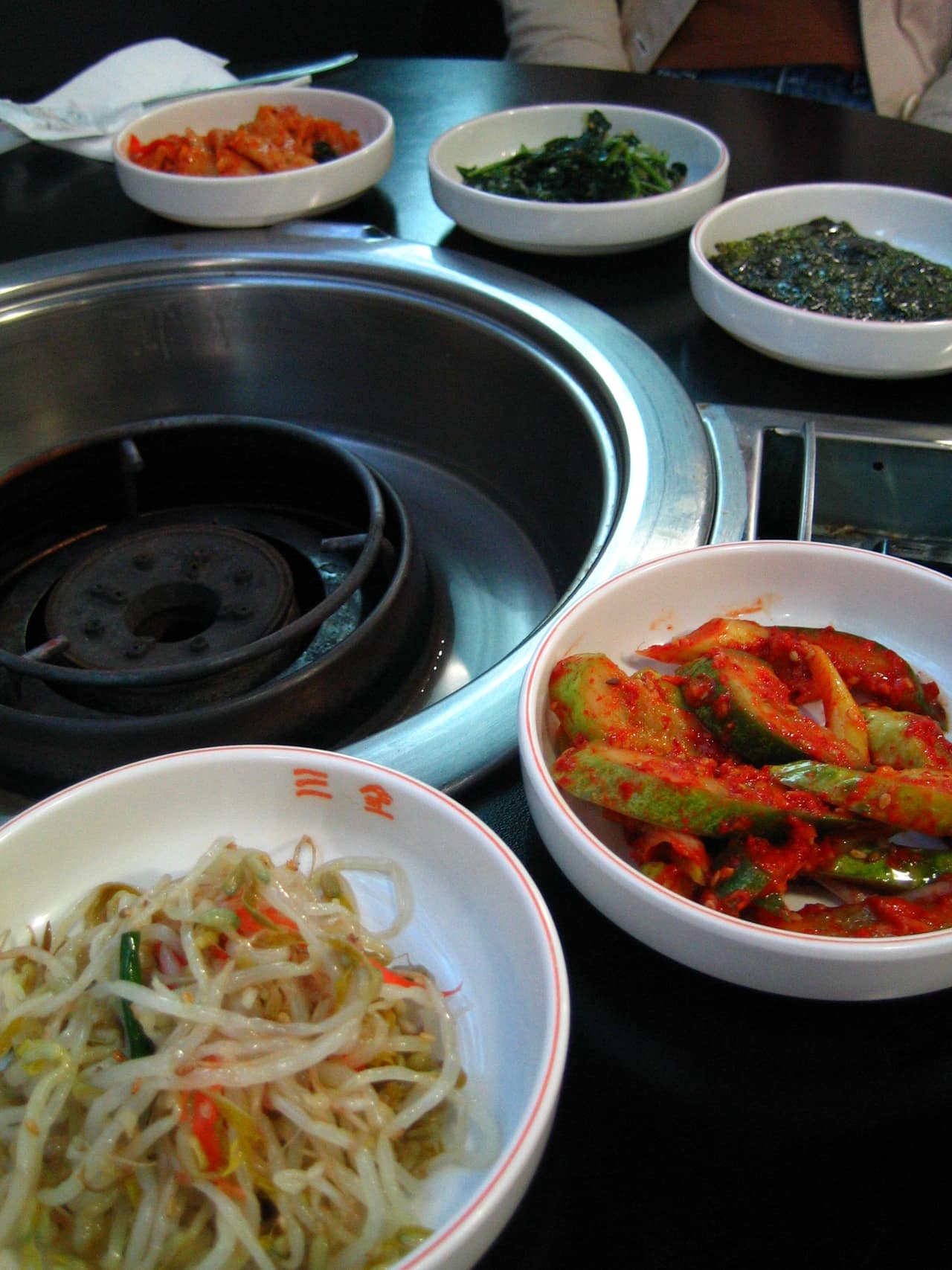
Where to Eat in Seoul: 71 Bib Gourmands Against 42 Stars
The best-value restaurant list in Seoul is not the starred one. Here is how I choose where to eat, and the honest situation at the market everyone tells you to visit.
Two things put people off Galveston before they arrive: the colour of the water and the seaweed. Both have straightforward explanations, and neither is a reason to skip it.
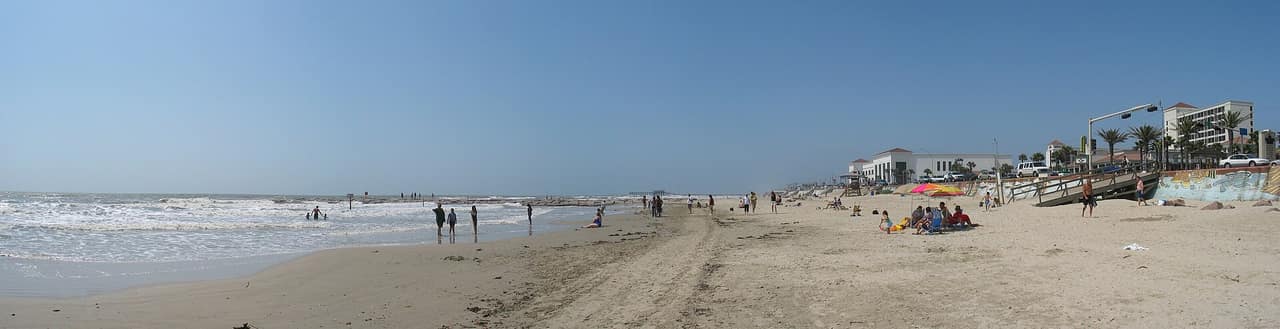
Two things put people off Galveston before they get there: the water is brown and the seaweed piles up. Both have simple explanations, and understanding them changes the trip from a disappointment into a reasonable expectation.
The water colour is river silt. The Brazos and, further east, the Mississippi push enormous volumes of nutrient-rich sediment into the northern Gulf, and Galveston Island sits in the path of it. That suspended sediment is what makes the water look like tea. It is also what built the barrier island you are standing on. It is not pollution and it is not sewage.
The seaweed is sargassum, a floating brown algae that drifts west from the Sargasso Sea through the Caribbean into the Gulf every year, arriving on Texas beaches from late spring through summer.
Neither is fixable and neither is a reason to skip the island. What follows is what things cost and which beach suits what.
Three separate systems on one island, and the difference between them is significant for a family.
| Access | Cost |
|---|---|
| Stewart Beach or East Beach, single entry | $15 per vehicle |
| Annual beach parking pass (Park Board) | $50 |
| Seawall paid parking | Hourly rate, pay station or app |
| Galveston Island State Park | $5 per person, under 12 free |
| Texas State Parks Pass | $70 per year, 80+ sites |
The arithmetic is worth doing. Two adults and two children at the state park pay $10. The same family at Stewart Beach pays $15. If you are on the island for three days and going to the beach each day, the $50 annual Park Board pass beats paying $15 a time, and if you visit Texas state parks at all beyond this trip, the $70 state pass beats everything.
Fees are set by the Galveston Park Board and by Texas Parks and Wildlife and change between seasons. Check the Galveston Park Board and TPWD's Galveston Island fee page before you travel.
The family beach, at the eastern end near the seawall's start. Full facilities: pavilion, restrooms, showers, concessions, chair and umbrella rental, volleyball, and lifeguards in season. Paid entry per vehicle.
Best for: families who want everything on site and do not mind crowds.
Also known as R.A. Apffel Park, at the island's far eastern tip. The distinguishing feature is that alcohol is permitted, which is unusual and makes it the party beach. Live music, big events, the widest sand on the island.
Best for: a social beach day. Not for a quiet one.
Ten miles of beach below the seawall, accessed by ramps and stairs, with hourly paid parking along the boulevard. No entry fee for the sand itself. Narrower beach than the parks, and the rock groynes that break up the shoreline are both the reason the sand stays and a genuine rip current hazard.
Best for: dropping in for an hour without committing to a day fee.
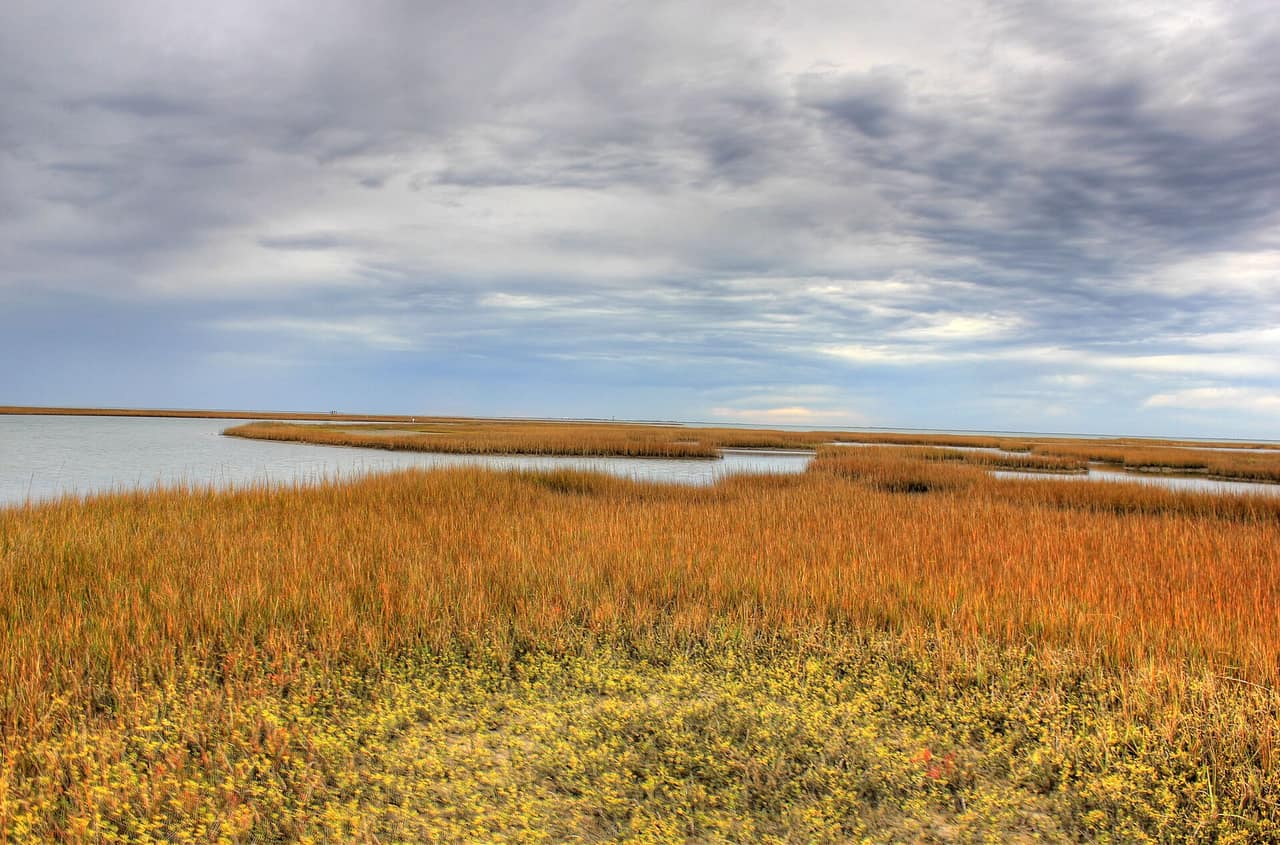
Around 2,000 acres on the west end, spanning the island from Gulf to bay. Beach on one side, salt marsh and Galveston Bay on the other, with camping, paddling trails and some of the best birding on the Texas coast.
This is the one most visitors miss and it is the best-value beach on the island at $5 a head. It is also where you go if the developed strip is not what you came for.
Best for: value, quiet, birds, camping.
Further west along FM 3005, past the seawall, the island thins out into beach communities and open shoreline. Access is via public beach accesses with limited parking. Emptier, less serviced, and the best place on the island to walk a long way without meeting anyone.
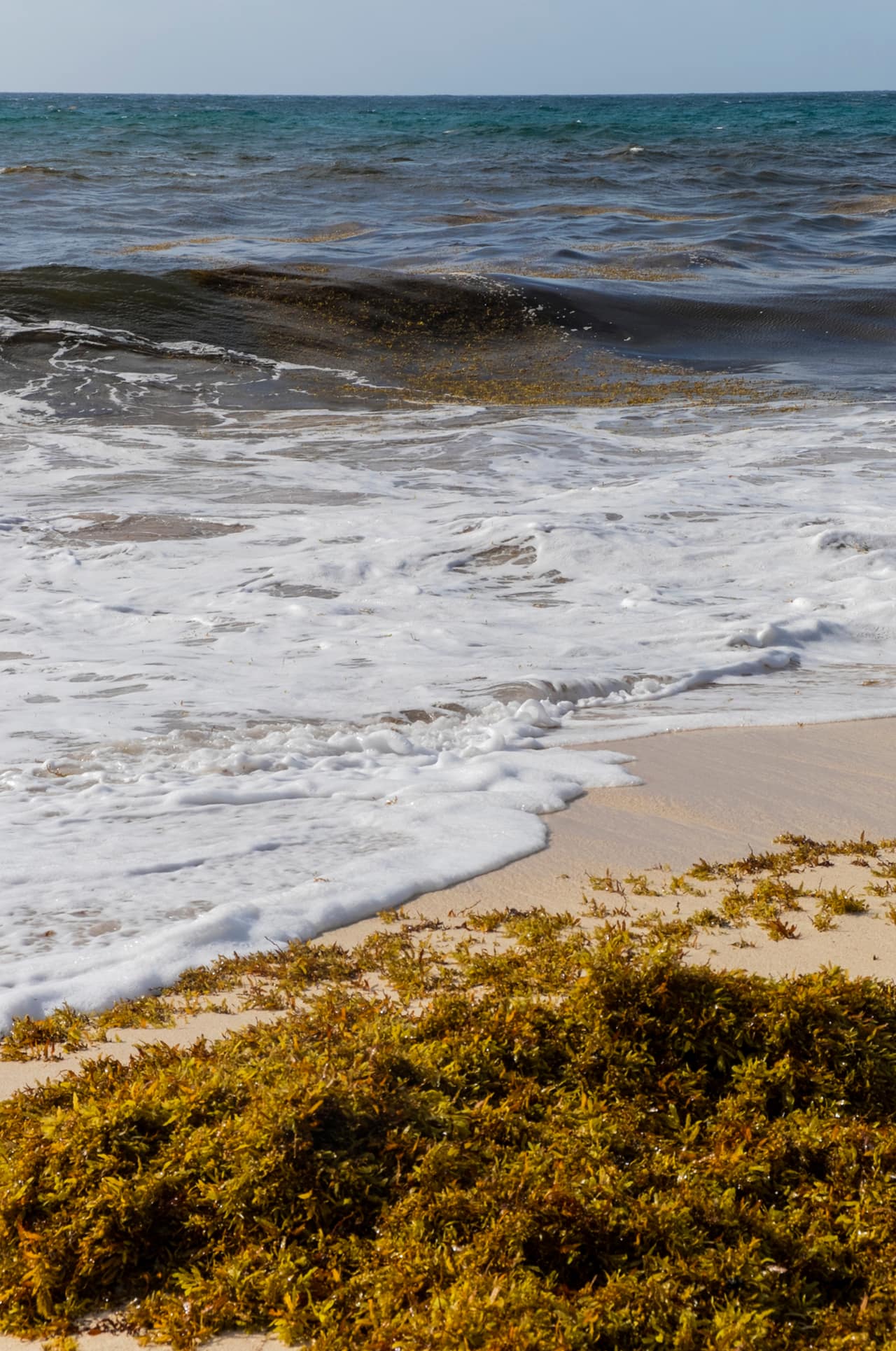
Sargassum lands on Galveston every year from around April or May into the summer. Some years it is a modest line along the tideline. Some years it is knee-deep and the local papers run stories about it.
Three things worth knowing:
It is not removed wholesale, and that is deliberate. The Park Board runs a relocation programme rather than a disposal one, because sargassum traps sand and helps build the dune line that protects the island. Scraping it off the beach every morning would degrade the coast it sits on.
The smell comes from decomposition, not from the fresh weed. A thick mat baking for a few days in July is genuinely unpleasant. A fresh landing is not.
Do not wade through thick mats. Small stinging organisms live in it, and jellyfish fragments get tangled in it.
Check the Visit Galveston beach conditions page before you travel. It publishes current seaweed and water reports by beach, which is more useful than any forecast.
The Gulf at Galveston is warm, shallow and gently shelving, which makes it forgiving for children. Two hazards are worth naming.
Rip currents form around the rock groynes along the seawall. Those structures deflect longshore flow outward exactly as piers do on the Great Lakes, and the current runs alongside them. Stay well clear of the rocks when swimming.
Jellyfish are common in summer, particularly with an onshore wind. Man o' war appear in spring. Check the flag at the lifeguard stand.
Making a Texas Gulf trip of it? Lake Conroe, an hour and a half north of Houston, is the freshwater alternative when the Gulf is full of sargassum. Our Lake Conroe guide covers the swimming, the parks and the water quality question people always ask about it. Further inland, Lubbock on the South Plains is the other side of Texas entirely, and its strongest attraction charges nothing.
| Season | Water | Seaweed | Crowds |
|---|---|---|---|
| March to April | Cool, warming | Landings begin | Spring break peaks in March |
| May to June | Warm | Building | Busy weekends |
| July to August | Hot, 85F and up | Heaviest, smell worst | Peak |
| September to October | Still warm | Declining | The best month is October |
| November to February | Cold, 55 to 65F | Minimal | Empty, and the island is pleasant |
October is the answer if you can choose. Warm water, no sargassum to speak of, and the crowds gone. Hurricane season runs to 30 November, which is the caveat.
Work out your access cost before you drive, because it is the one variable you control. A family with young children should go straight to Galveston Island State Park at $5 a head. A group planning three beach days should buy the $50 annual pass on day one. A couple stopping for two hours should park on the seawall and pay for the hour.
Then check the beach conditions page for seaweed on the day, and adjust which end of the island you head for. Landings are not uniform along ten miles of coast.
Suspended sediment. The Brazos and the Mississippi discharge nutrient-rich silt into the northern Gulf, and Galveston sits in the path of it. It is river mud in suspension, not pollution, and it is the same process that built the barrier island in the first place.
It depends where. A single entry to Stewart Beach or East Beach is $15 per vehicle, an annual beach parking pass is $50, seawall paid parking is charged hourly, and Galveston Island State Park charges $5 per person with children 12 and under free.
Galveston Island State Park. At $5 per person with under-12s free, a family of two adults and two children pays $10, against $15 for a single vehicle entry at Stewart Beach. A Texas State Parks Pass at $70 covers a year across more than 80 sites.
Late spring through summer. Sargassum drifts in from the Sargasso Sea through the Caribbean and into the Gulf every year, with landings usually starting in April or May and continuing into the summer. Volume varies enormously year to year.
Not in itself. It is a floating brown algae that provides habitat for marine life, and the Park Board relocates rather than removes it where it can, because it helps hold the dune line. It smells as it decomposes and can carry small stinging organisms, so avoid wading through thick mats.
Yes. The water is warm, shallow and gently shelving. Rip currents occur, particularly near the rock groynes along the seawall, and jellyfish are common in summer. Swim near a lifeguard where one is posted.
Galveston Island State Park on the west end, and the beaches further west along FM 3005 beyond the developed strip. Stewart Beach and East Beach are the busiest by design, since they are the ones with full facilities.
The best-value restaurant list in Seoul is not the starred one. Here is how I choose where to eat, and the honest situation at the market everyone tells you to visit.
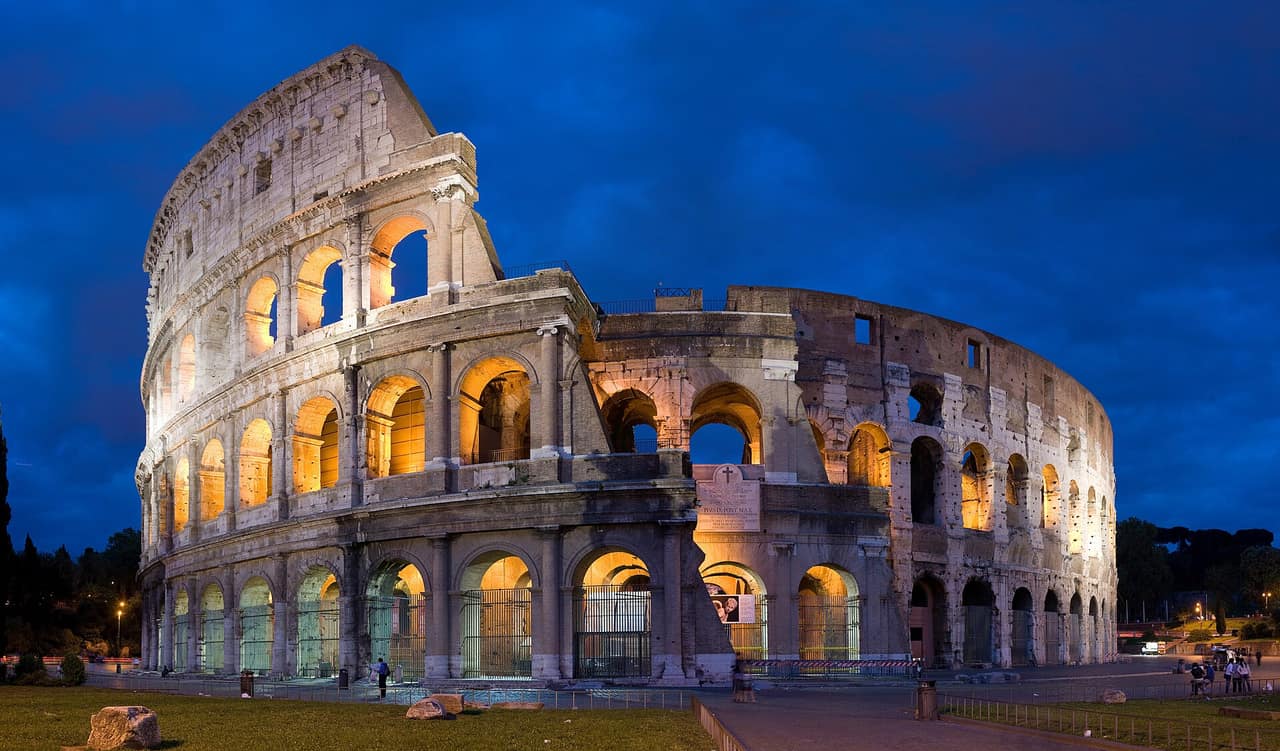
Three days is the right length for Rome and the tickets are where people lose money. Two official sites, two mandatory fees, and a route that avoids crossing the city twice.
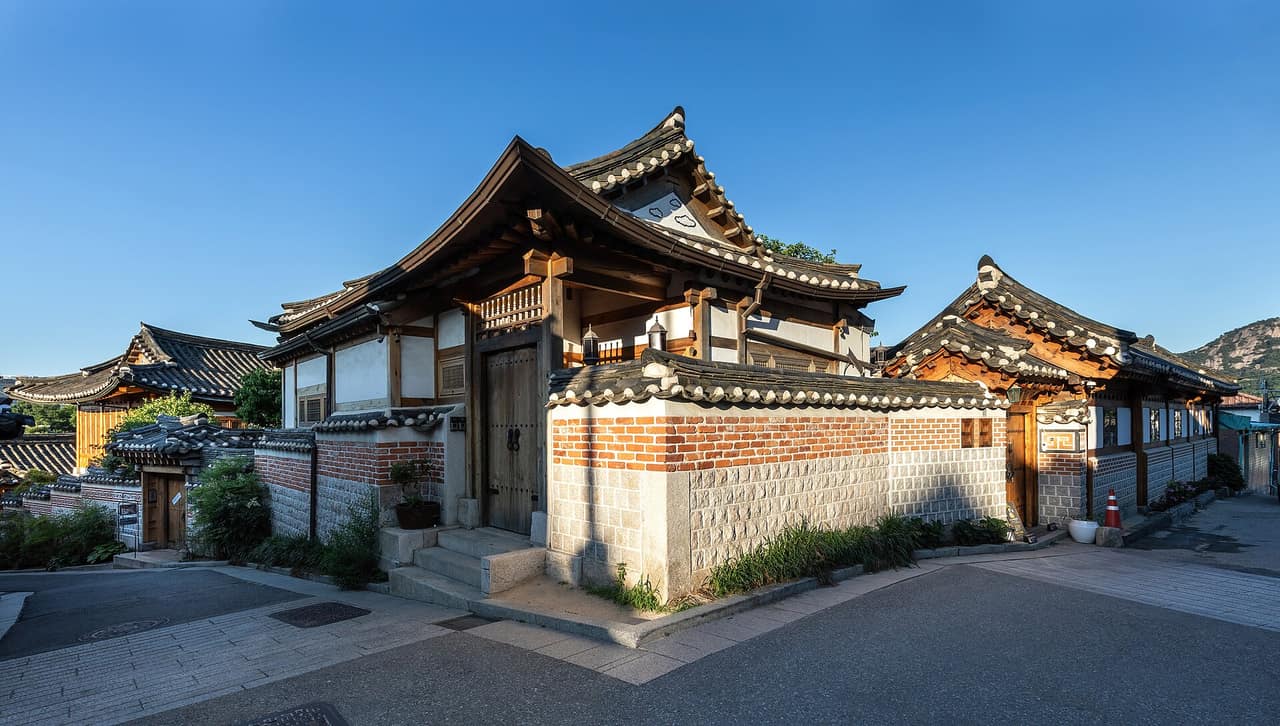
Seoul had a record 10.71 million visitors in the first half of 2026, and the city answered with rules that carry fines. Here is what the sights cost, which days they close, and the neighbourhood where arriving at the wrong hour is a fineable offence.