
Destinations
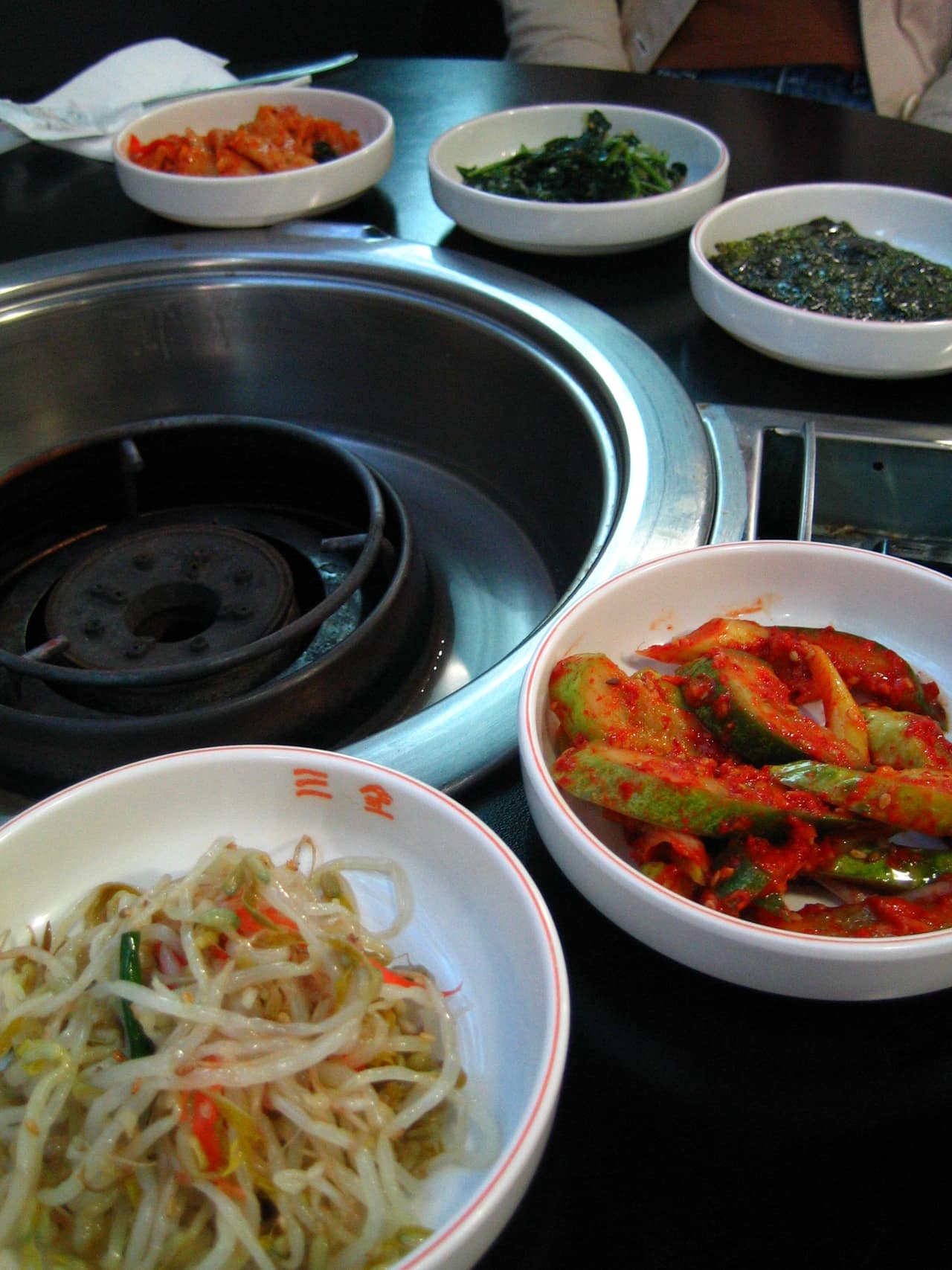
Where to Eat in Seoul: 71 Bib Gourmands Against 42 Stars
The best-value restaurant list in Seoul is not the starred one. Here is how I choose where to eat, and the honest situation at the market everyone tells you to visit.
A city on the South Plains where the strongest single attraction is a 19-acre outdoor museum of ranch buildings that costs nothing to enter.
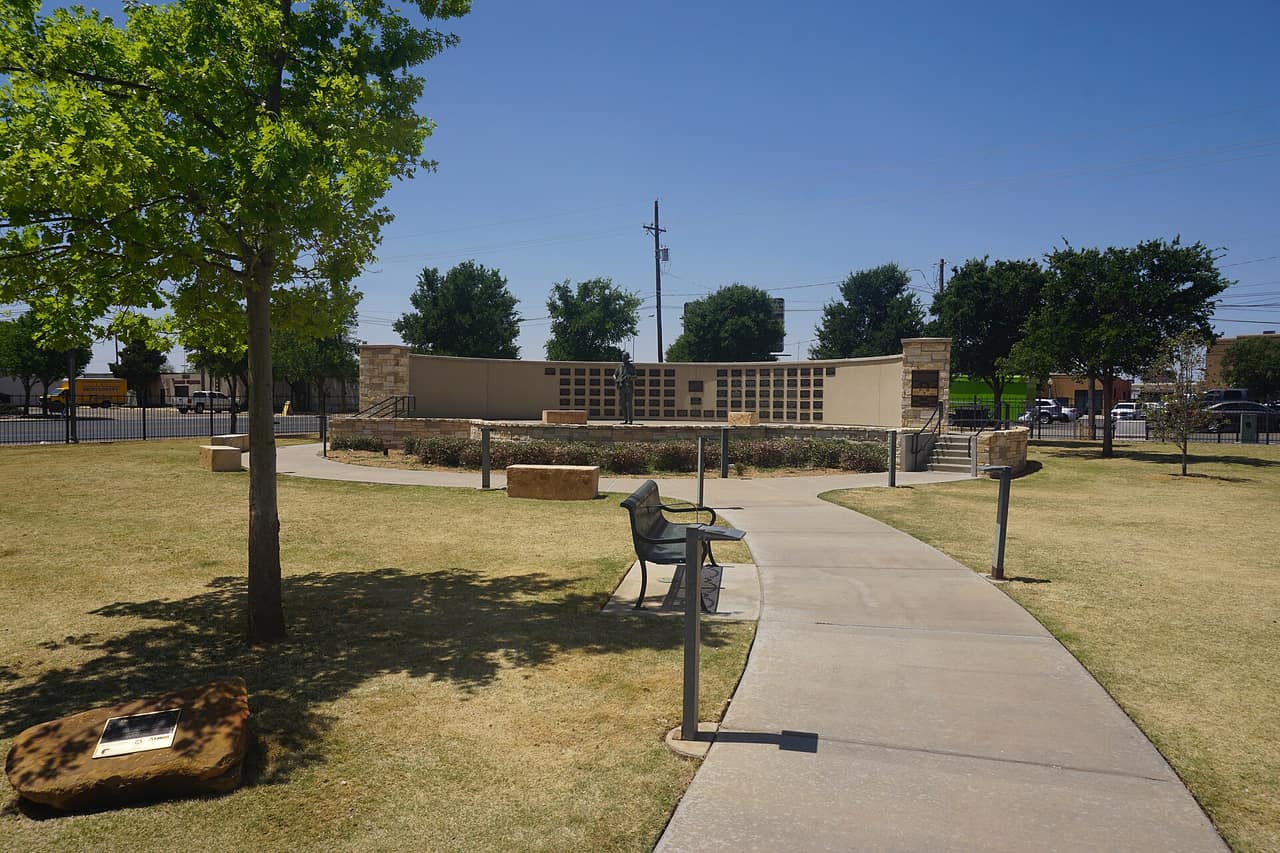
The best thing to do in Lubbock costs nothing. The National Ranching Heritage Center is 19 acres of relocated, authentic ranch buildings from the late 18th to the mid-20th century, around fifty of them, arranged so you walk through the actual evolution of ranching architecture on the plains. Free admission, and the outdoor site is stroller and wheelchair accessible.
That is the pattern here. Sort Lubbock's attractions by price and the free ones come out on top.
A dugout, a half-dugout, a line camp, a bunkhouse, a series of increasingly ambitious ranch houses, a windmill collection and a railway depot, all real structures moved here and restored. It works because the sequence tells a story that a gallery of photographs cannot: how people actually lived on this land as the technology changed.
Allow two hours. Go early or late in summer, because it is an outdoor site on the plains with limited shade and no relief from the sun in the middle of the day.
In Mackenzie Park, on the east side. A free, open, genuine black-tailed prairie dog colony established in the 1930s when the species was being systematically eliminated across the region. You walk up to a fence line and watch them.
It takes twenty minutes and it is one of the more memorable twenty minutes in the city, particularly with children. Do not feed them.
The university's public art collection is scattered across the campus and free to walk around, and the Spanish Renaissance architecture is worth the loop on its own. The campus is large; drive between the parts you want to see.
The American Wind Power Center holds one of the largest windmill collections anywhere, indoors and out. Modest charge in some seasons, free in others, and genuinely more interesting than it sounds if you have any curiosity about how the plains were made habitable.
In a 1928 railway depot in the Depot District, with exhibits and artefacts covering Lubbock's most famous son. Holly died at 22 in 1959 having effectively invented the template for the self-contained rock band, and the collection is small, specific and well made.
The adjoining Buddy and Maria Elena Holly Plaza and the West Texas Walk of Fame are free to walk. The centre itself charges a modest admission.
This is the part of Lubbock that surprises visitors. The Texas High Plains AVA around the city grows a large proportion of the grapes that go into Texas wine, because the elevation at roughly 3,200 feet gives cool nights and a big diurnal swing that the rest of the state does not get.
Several wineries near the city run tasting rooms, and the Depot District has urban tasting rooms if you would rather not drive. Both work; the vineyards give you the landscape.
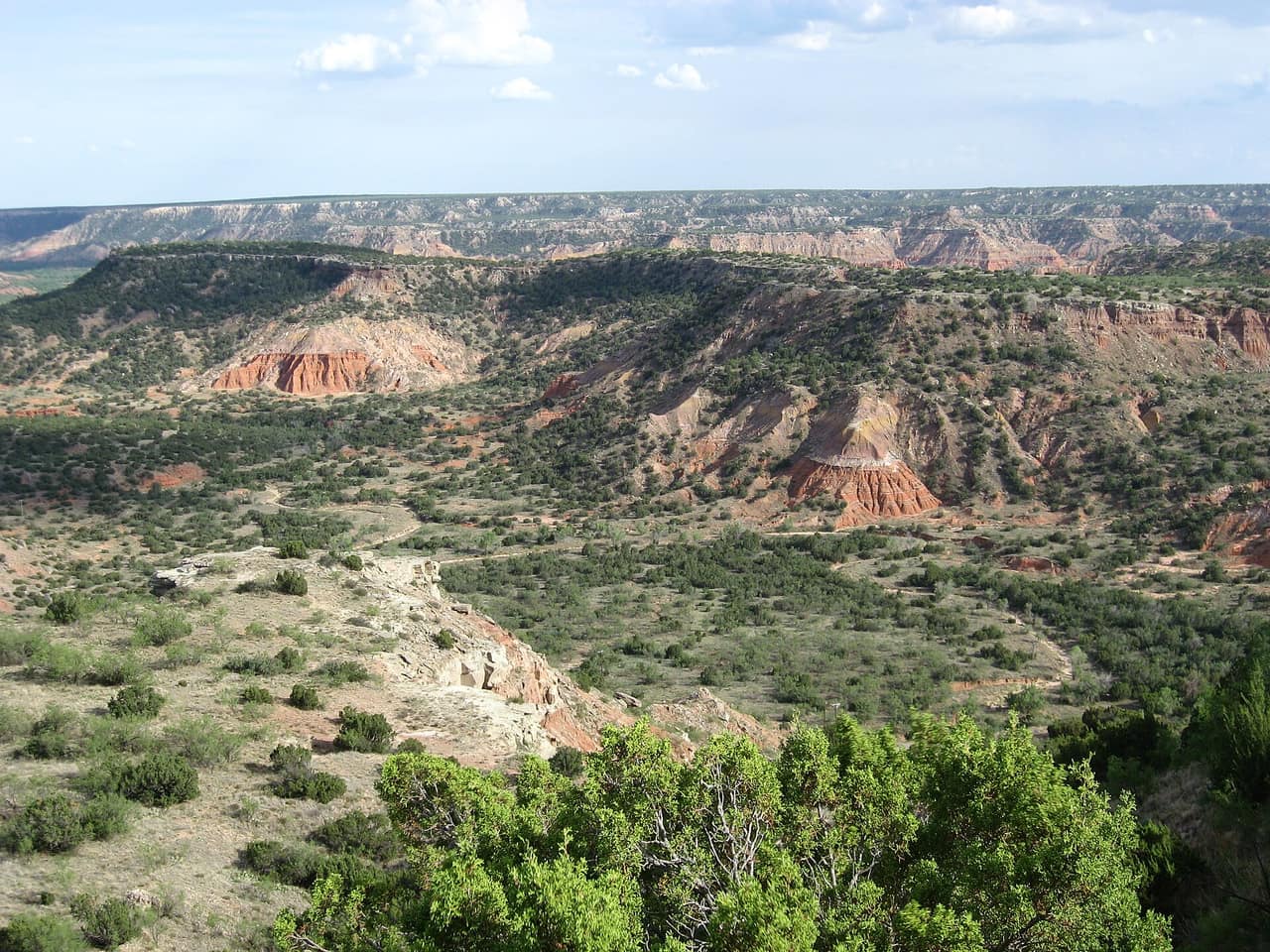
About 60 miles north east, an hour and a quarter. Red rock canyons cut into the escarpment where the High Plains drop away, and the official Texas State Bison Herd, descended from the herd Charles Goodnight preserved in the 1870s when the species was being destroyed.
The bison roam the park rather than sitting in an enclosure, which means they are on the roads and the campgrounds and you keep your distance. This is the single best day trip from Lubbock and it is not close.
About two hours north, past Amarillo. The second-largest canyon in the United States, with a road down into it, serious hiking, and an outdoor amphitheatre. A long day from Lubbock but a real one.
It sits on the Llano Estacado, an enormous flat plateau, at around 3,200 feet. That elevation is why the summers are hot but the nights cool, why the wine works, and why the wind never stops.
The city is spread out and built for driving. There is no walkable centre in the way a visitor might expect; the Depot District and the Texas Tech campus are each walkable, and everything between them is a drive.
Cotton dominates the surrounding land. If you visit in October you will see the harvest and the gins running, and modules of cotton stacked at the field edges. It is a genuine piece of regional character rather than a tourist attraction.
Building a wider Texas trip? If the plains are one half, the coast is the other. Our Galveston guide covers the Gulf end of the state, including why the water is the colour it is and which of three access systems is cheapest.
| Season | What to expect |
|---|---|
| March to May | Warm and pleasant, but this is dust storm season on the plains |
| June to August | Hot, high nineties, intense sun, thunderstorms |
| September to October | The best window. Warm days, cool nights, cotton harvest |
| November to February | Cold, very windy, clear. Cheapest, and the museums do not care |
The wind is a constant rather than a season. Lubbock averages some of the highest sustained wind speeds of any US city, and it affects outdoor plans more than the temperature does.
Give a morning to the National Ranching Heritage Center, because it is the thing you will remember and it costs nothing. Add Prairie Dog Town on the way to or from Mackenzie Park.
If you have a second day, drive to Caprock Canyons for the bison rather than filling the day in the city. And if you have an evening, the Depot District has the Buddy Holly Center, the plaza and the tasting rooms within walking distance of each other, which makes it the one part of Lubbock you can do on foot.
Buddy Holly, Texas Tech University, cotton and wine. It sits on the Llano Estacado, the high plain of the Texas Panhandle, and it is the commercial centre of one of the largest cotton-producing regions in the world.
Yes. Admission is free to the 19-acre outdoor site with around fifty authentic ranch structures dating from the late 18th to the mid-20th century, plus the indoor galleries. The outdoor area is stroller and wheelchair accessible.
In Mackenzie Park, on the east side of Lubbock. It is free, open to walk around, and it is a genuine colony rather than an enclosure exhibit. Do not feed the animals.
Yes, and it matters more than the reputation suggests. The Texas High Plains AVA around Lubbock grows a large share of the grapes used in Texas wine, and several wineries near the city run tasting rooms.
About 60 miles north east, roughly an hour and a quarter. The park holds the official Texas State Bison Herd, descended from the Charles Goodnight herd, and the animals roam freely through the park rather than being fenced into an exhibit.
April to May and September to October. Summer is very hot and the spring brings dust storms off the plains. Winter is cold, windy and clear.
Not really. It is a spread-out plains city built for driving, and the attractions are scattered across it. The Depot District and the Texas Tech campus are each walkable on their own.
The best-value restaurant list in Seoul is not the starred one. Here is how I choose where to eat, and the honest situation at the market everyone tells you to visit.
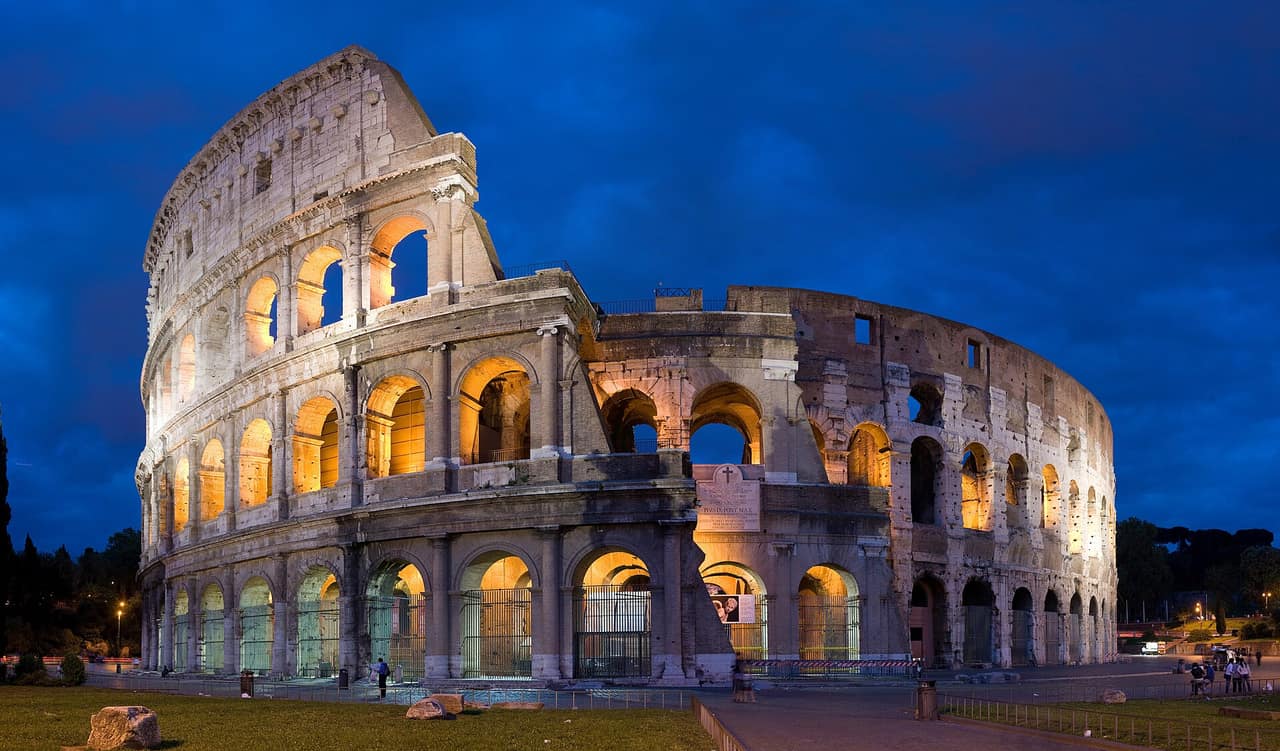
Three days is the right length for Rome and the tickets are where people lose money. Two official sites, two mandatory fees, and a route that avoids crossing the city twice.
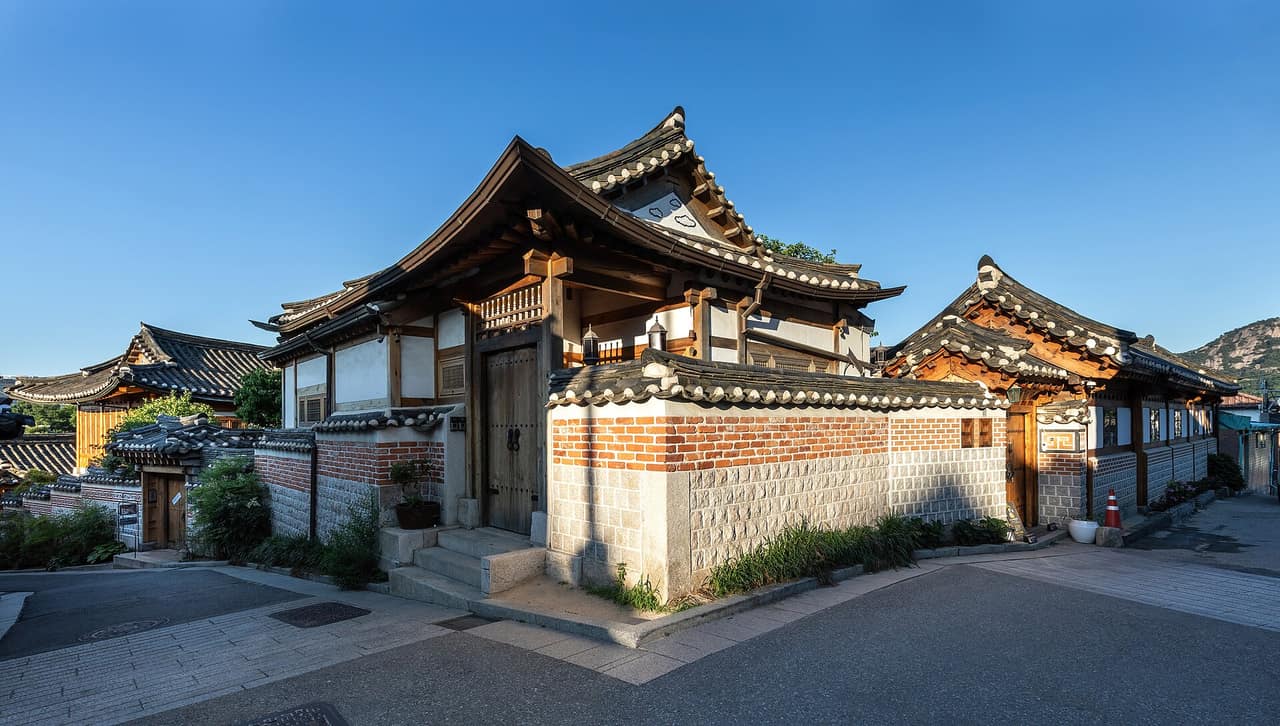
Seoul had a record 10.71 million visitors in the first half of 2026, and the city answered with rules that carry fines. Here is what the sights cost, which days they close, and the neighbourhood where arriving at the wrong hour is a fineable offence.