
Destinations
Where to Eat in Seoul: 71 Bib Gourmands Against 42 Stars
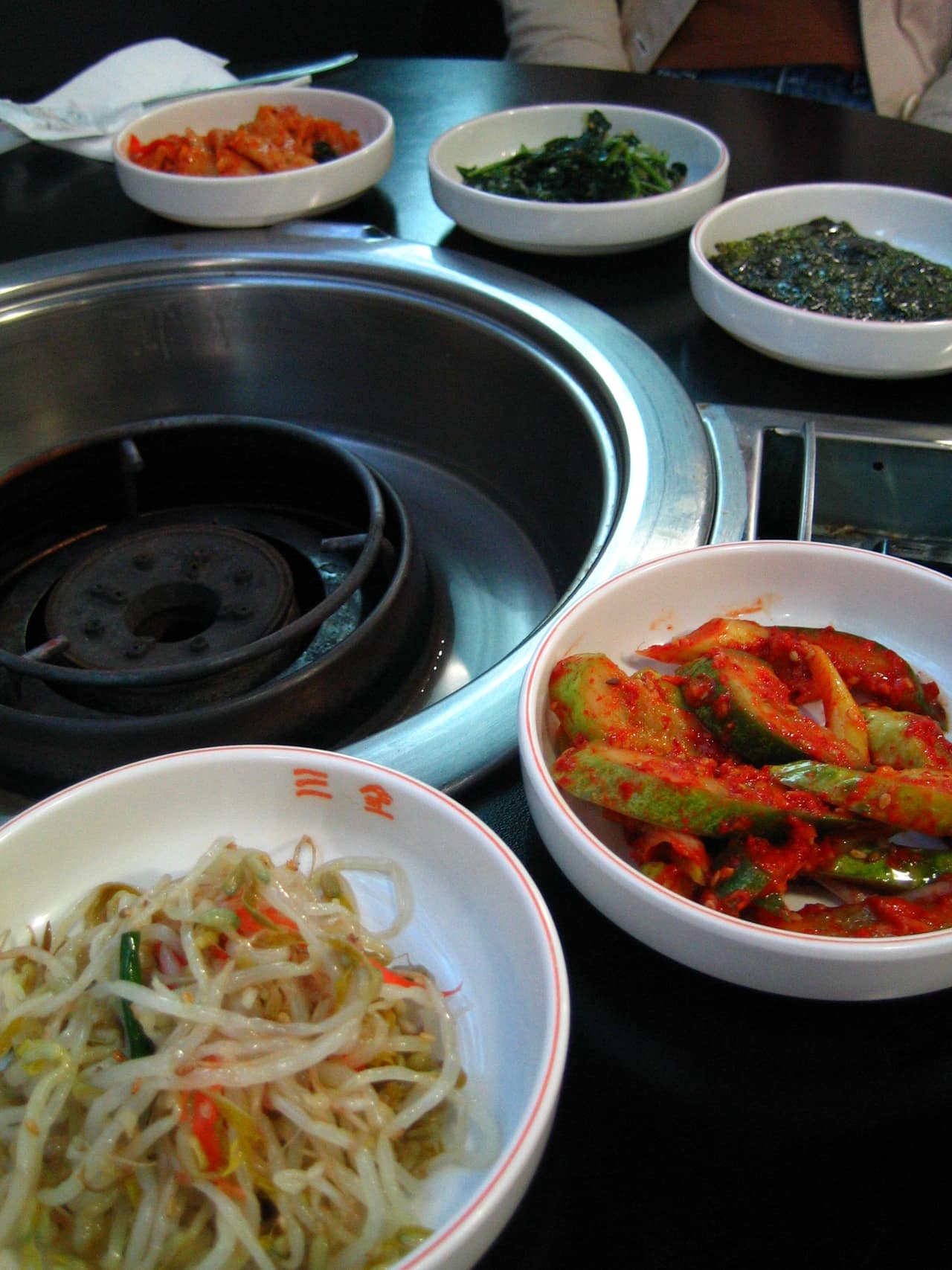
The best-value restaurant list in Seoul is not the starred one. Here is how I choose where to eat, and the honest situation at the market everyone tells you to visit.
One of the two baths every Budapest guide recommends has been shut since October 2025. Here is what is open, what it costs, and which of the eleven are worth your limited days.
One of the two thermal baths that every Budapest guide recommends has been closed since 1 October 2025. Gellert Thermal Bath is undergoing major renovation with reopening projected for 2028. We found it still listed as a recommended attraction in guides updated after that closure.
Everything else on the standard list is open. Here is what is worth your days, what each costs, and which parts are free.
Budapest is two cities joined in 1873: hilly, quiet Buda on the west bank and flat, dense Pest on the east. The Danube between them is the organising fact of the place, and the single best free thing to do here is walk the river at dusk, crossing on the Chain Bridge, with the Parliament lit on one side and the Castle on the other.
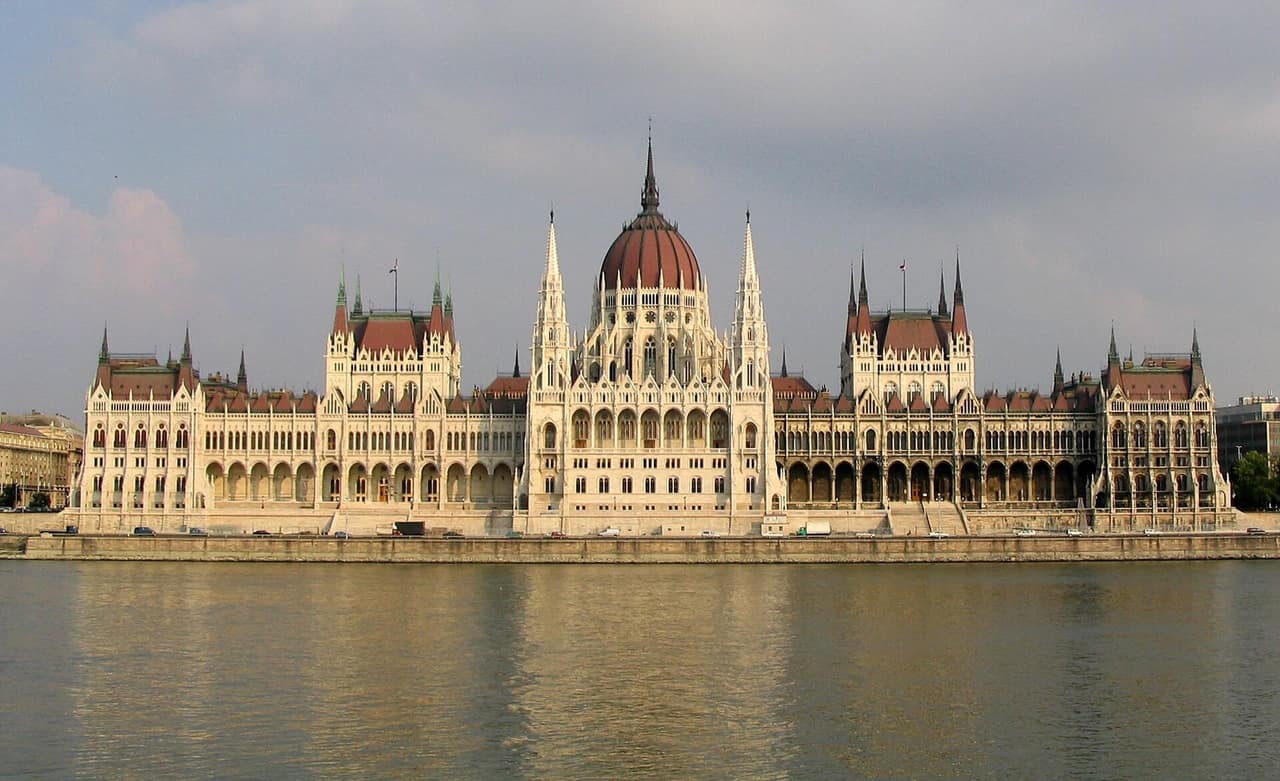
The largest building in Hungary and the third-largest parliament building in the world, in Gothic Revival on the Pest bank.
Interior access is by guided tour only, in timed slots, and tickets sell out. EU citizens pay a reduced rate on production of ID, a discount that is easy to miss. Book online in advance; relying on walk-up availability in summer does not work.
The exterior, seen from the Buda side after dark, is free and arguably better.
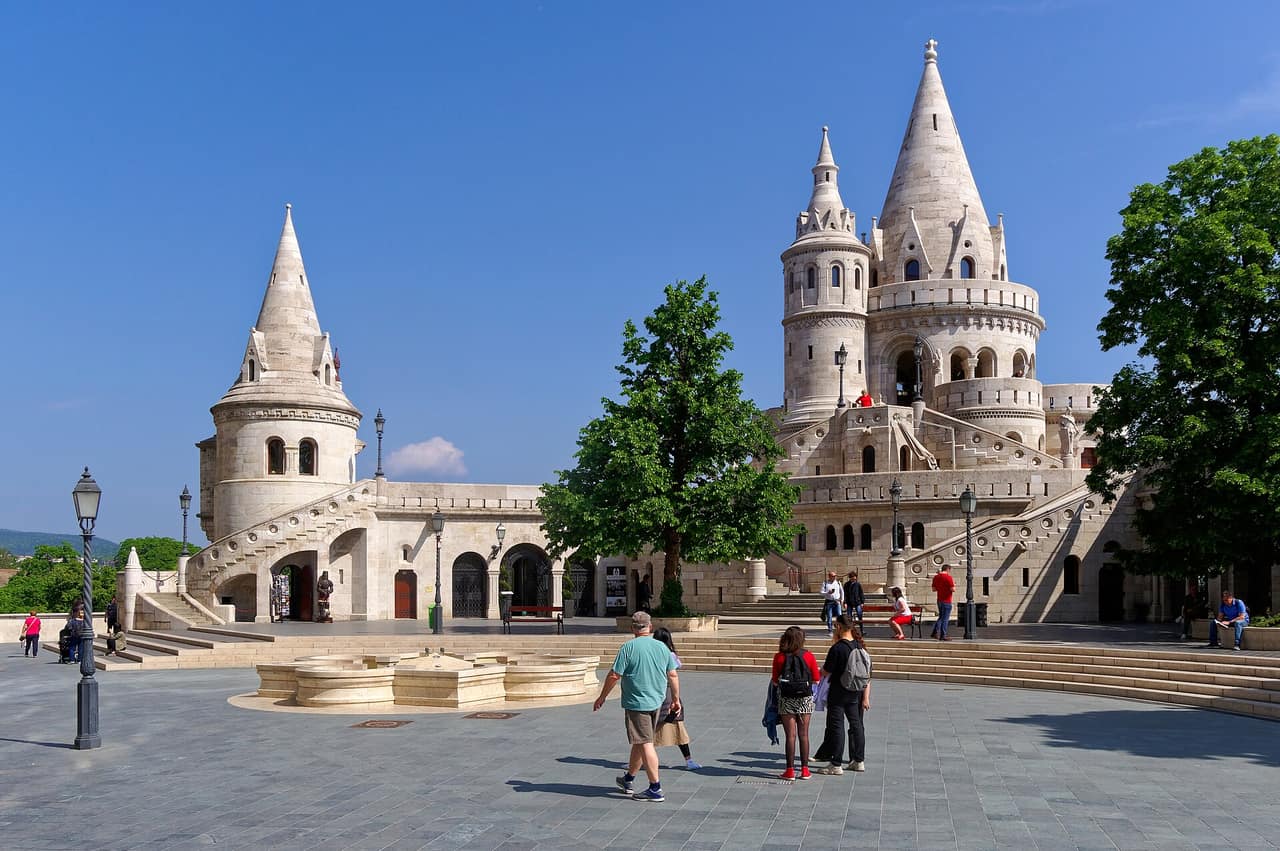
The castle district holds the Hungarian National Gallery, the Budapest History Museum, Matthias Church and Fisherman's Bastion.
The bastion is the photograph everyone comes for, and the money-saving detail is that the lower terraces are free at all hours while the upper towers charge in the daytime during high season. Come at 7am or after the ticket booths close and you get the whole thing for nothing, with far better light and no queue.
The funicular from Clark Adam Square is charming and expensive; bus 16 does the same job for the price of a transport ticket.
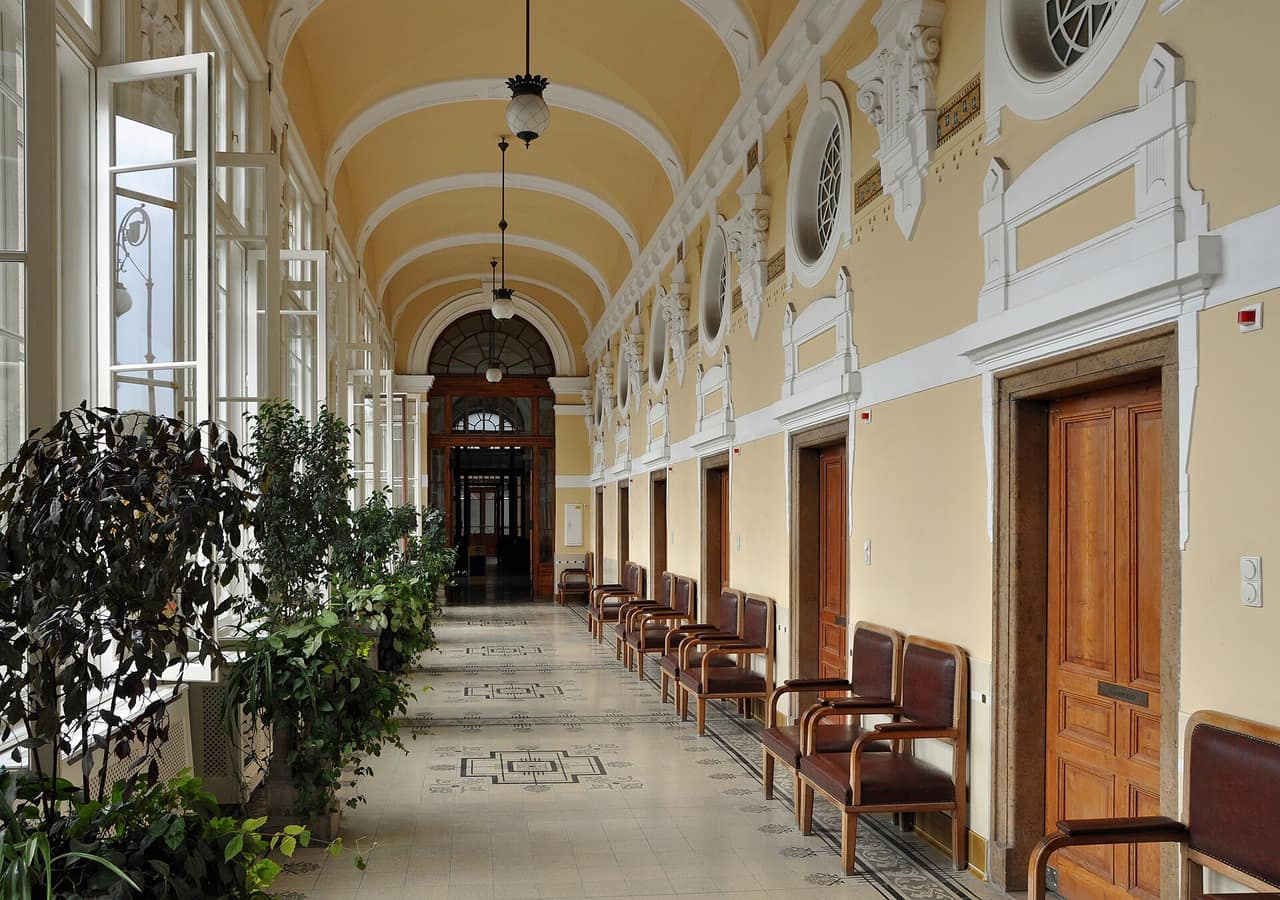
With Gellert closed, the field narrows.
Szechenyi in City Park is the big one: neo-baroque, enormous, with the outdoor pools that produce every photograph of Budapest in winter steam. A three-hour ticket is around 7,200 HUF, with day tickets and packages including robe, towel and a drink costing substantially more. Buy from the bath's own site rather than a reseller, where fast-track tickets are marked up heavily.
Rudas is the one to choose if you want the historic experience rather than the spectacle. Ottoman-era, domed, with a rooftop pool over the Danube. Some sessions are single-sex; check before you go.
Lukacs is where locals go, less decorated and much cheaper. Kiraly is the smallest and oldest-feeling.
Take flip-flops, a towel and a padlock for the locker unless you want to hire all three.
Great Market Hall. Nineteenth-century iron and glass, produce downstairs, souvenirs and langos upstairs. Free to enter and genuinely used by residents in the mornings.
St Stephen's Basilica. A donation for the nave, a charge for the dome, and the dome is worth it: a 360-degree view over the whole city from the highest accessible point in Pest.
Dohany Street Synagogue. The largest synagogue in Europe, with the Hungarian Jewish Museum and the memorial garden. Ticketed and worth the time; the memorial to Hungarian Jews murdered in the Holocaust is the most affecting thing in the city.
House of Terror. The former headquarters of both the Arrow Cross and the communist secret police, now a museum of both regimes. It is a polemical museum and worth going in aware of that. Not suitable for young children.
Margaret Island. A car-free island in the middle of the Danube with a running track around it, a musical fountain, a Japanese garden and the ruins of a medieval convent. Free, and the best two hours in Budapest that involves no queueing.
Andrassy Avenue and Heroes' Square. A UNESCO-listed boulevard running from the centre to City Park, with the Opera House on it and Heroes' Square at the end. Walk it rather than take the metro, although the M1 beneath it is the oldest underground line in continental Europe and costs the same as any other ticket.
Ruin bars in District VII. Szimpla Kert is the famous one and is now firmly a tourist attraction. The district around it holds a dozen others that are not.
Ecseri Flea Market. Out on the edge of the city and a genuine market rather than an antiques boutique. Saturday morning is the day. Take cash and expect to haggle.
Staying more than three days? Lupa Beach, half an hour north of the city, is where Budapest goes to swim in summer, on a white sand shore that is entirely artificial and entirely convincing. Our Lupa Beach guide covers the entry cost, the transport and what the place is actually for.
Money. Hungary uses the forint, not the euro. Places quoting prices in euros are usually charging a premium for the privilege. Avoid the airport and tourist-strip exchange booths.
Transport. Buy tickets or a travel pass and validate them. Inspectors work the metro exits and fines are enforced with no interest in whether you understood the system. Public transport is good enough that a car is a liability.
Tipping. Around 10 percent, and check the bill for service already added, which is now common in central restaurants.
Taxis. Use a licensed company or an app. Hailing on the street in the tourist districts is where visitors get overcharged.
| Season | What to expect |
|---|---|
| March to May | Mild, thinning crowds, the best month is May |
| June to August | Hot, busy, the outdoor pools at Szechenyi at their best |
| September to October | Warm, golden, the strongest overall window |
| November to February | Cold and often grey, but the baths in the snow are the reason to come, and the Christmas markets are good |
Book the Parliament tour before you book anything else, because it is the one attraction that genuinely sells out and it constrains your other days.
Then pick one bath, not three, and go early on a weekday. And walk the river at dusk on your first evening: it costs nothing and it makes sense of the geography for everything that follows.
No. Gellert Thermal Bath closed on 1 October 2025 for major renovation, with reopening projected for 2028. Szechenyi, Rudas, Lukacs and Kiraly remain open.
Around 7,200 HUF for a three-hour ticket, with full-day and premium packages costing considerably more. Fast-track and package tickets sold through resellers run higher again, so buy from the bath's own site if you can.
Yes, on a guided tour only, in timed slots, with tickets sold in advance and frequently sold out. EU citizens pay a reduced rate on production of ID. Book as far ahead as you can; walk-up availability in summer is unreliable.
Mostly. The lower terraces and the surrounding area are free at all times. The upper towers charge a small fee during the day in high season and are free early in the morning and in the evening, which is also when the light and the crowds are best.
District V for walkability and the river, District VII for nightlife and ruin bars, District I on the Buda side for quiet and views. Almost everything a first-time visitor wants is within these three.
Cheaper than western Europe, and less so than its reputation suggests. Transport, casual food and wine remain good value; the baths, the guided attractions and the central restaurants are priced for tourists.
Three full days covers the two river banks, one bath and the main sights without rushing. Four lets you add a day trip to Szentendre or the Danube Bend.
The best-value restaurant list in Seoul is not the starred one. Here is how I choose where to eat, and the honest situation at the market everyone tells you to visit.
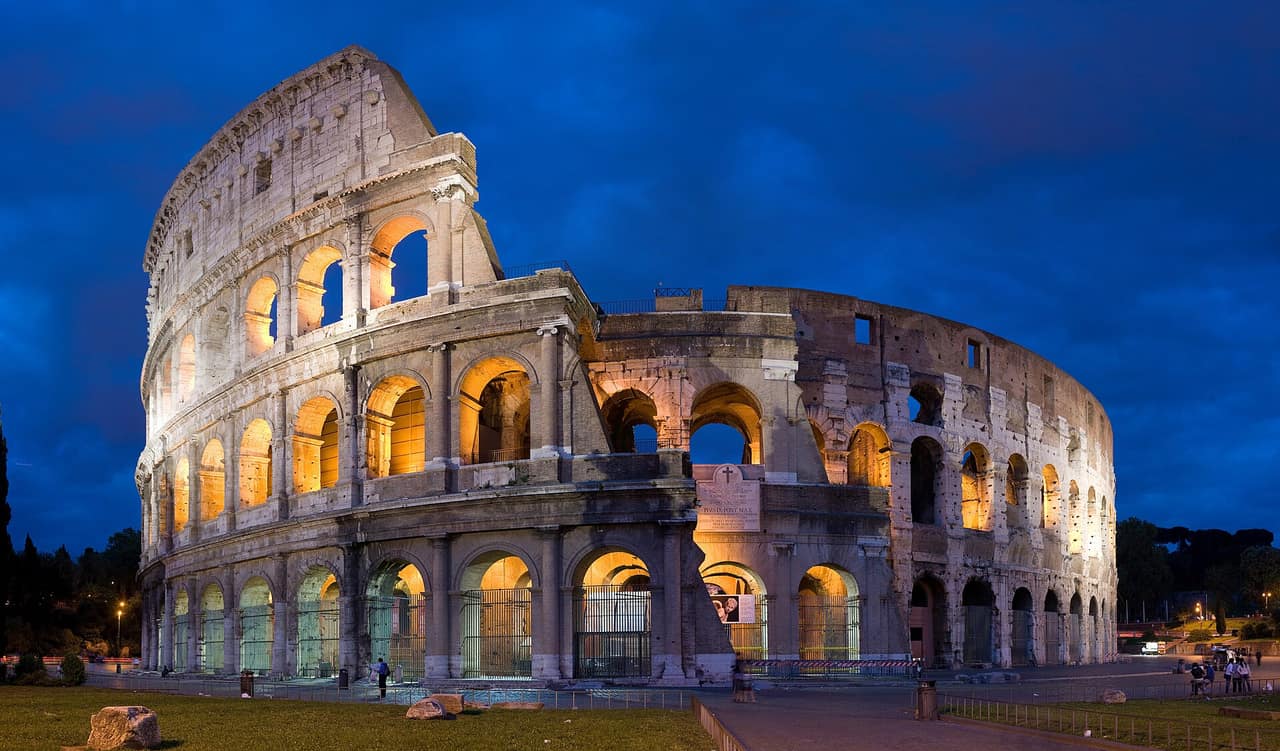
Three days is the right length for Rome and the tickets are where people lose money. Two official sites, two mandatory fees, and a route that avoids crossing the city twice.
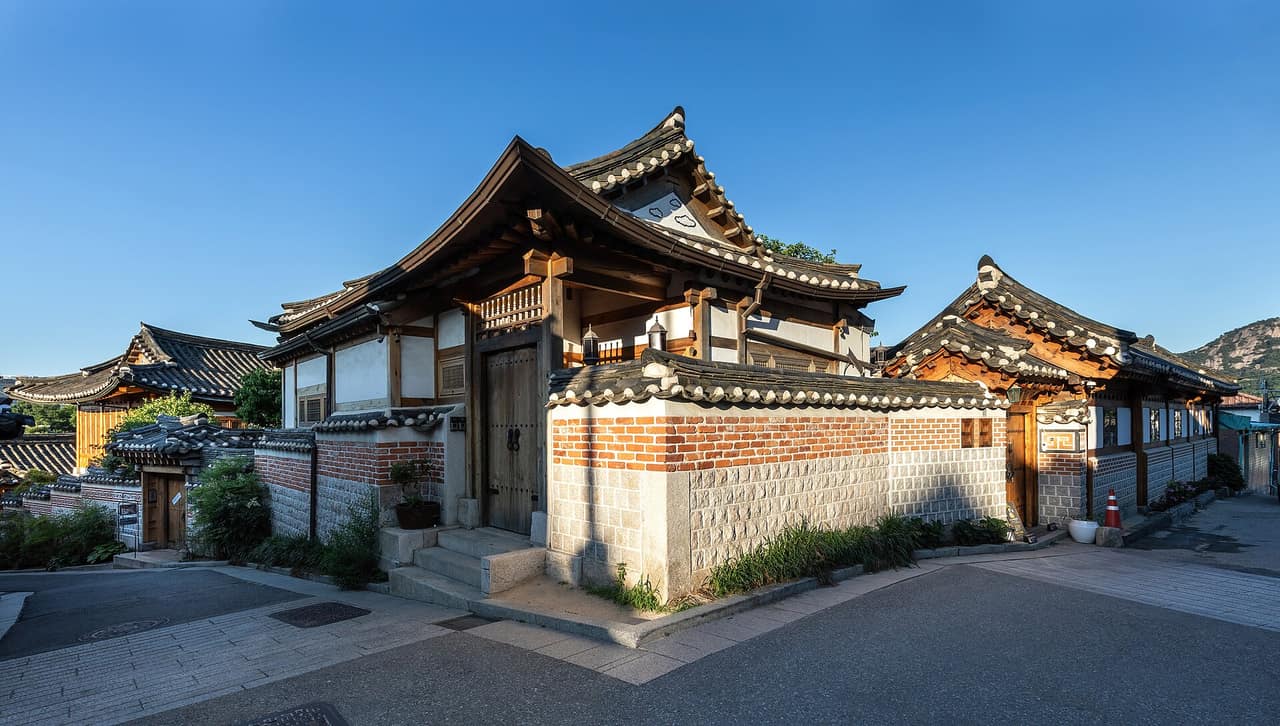
Seoul had a record 10.71 million visitors in the first half of 2026, and the city answered with rules that carry fines. Here is what the sights cost, which days they close, and the neighbourhood where arriving at the wrong hour is a fineable offence.