
Destinations
Where to Eat in Seoul: 71 Bib Gourmands Against 42 Stars
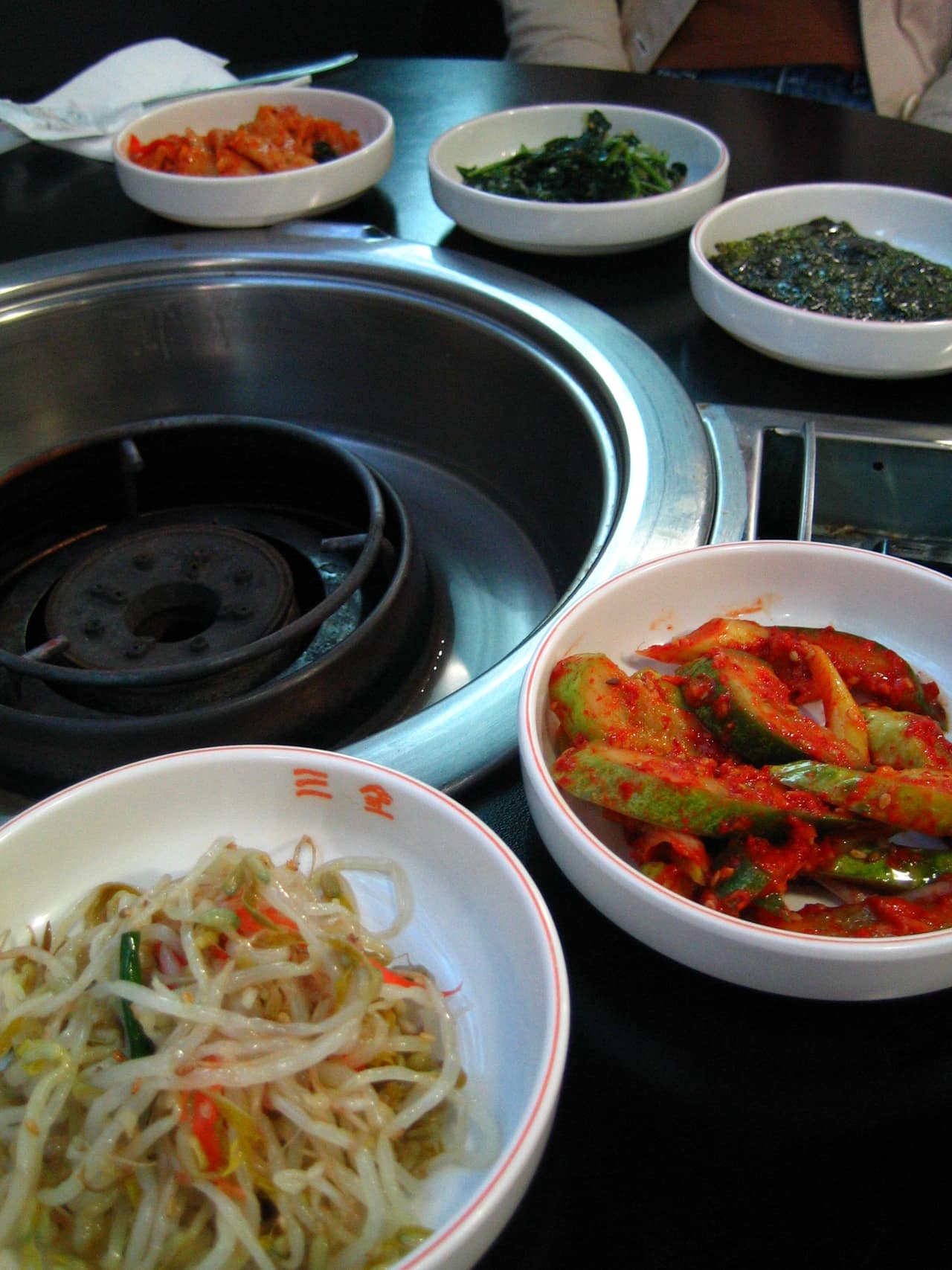
The best-value restaurant list in Seoul is not the starred one. Here is how I choose where to eat, and the honest situation at the market everyone tells you to visit.
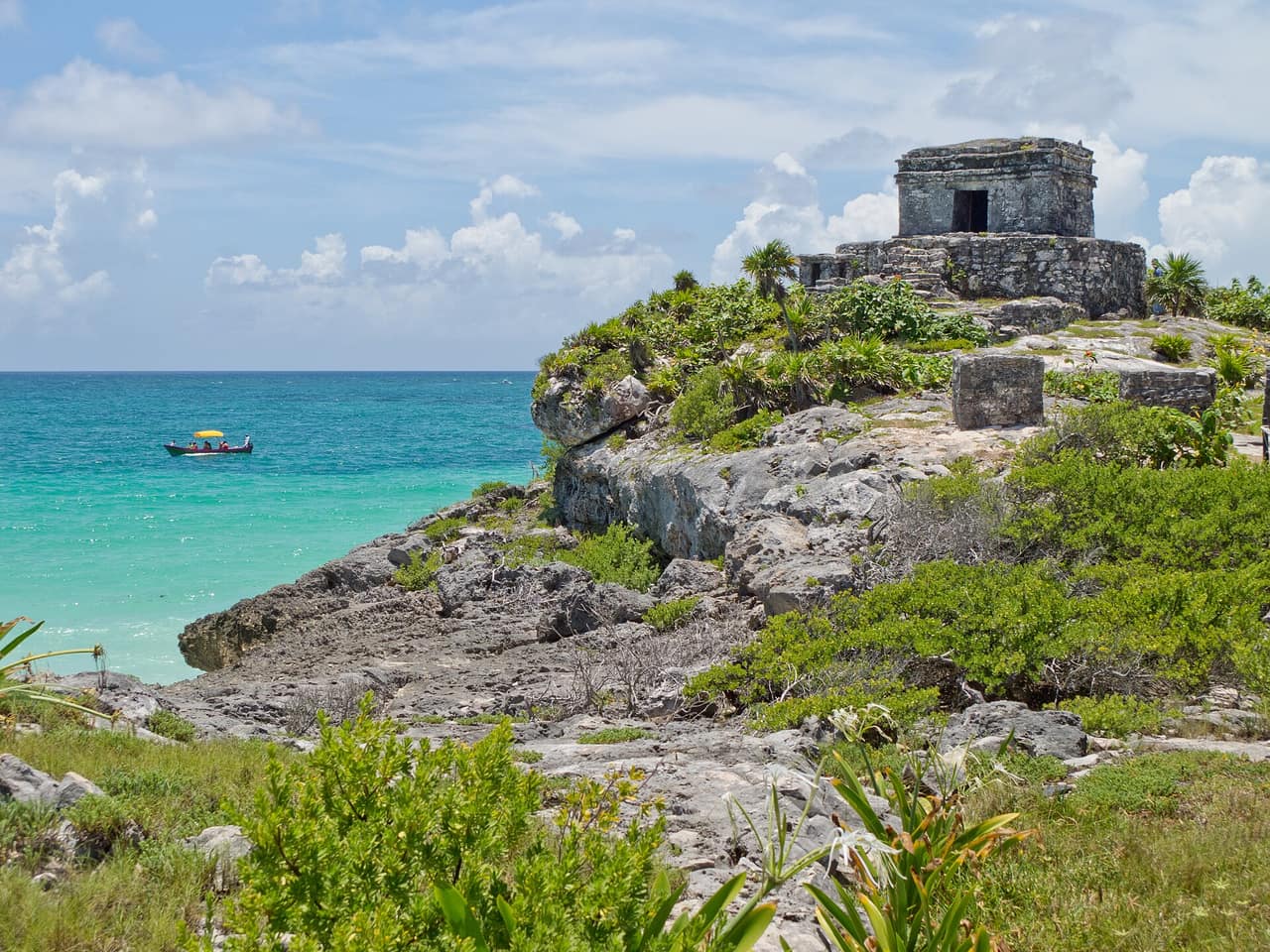
Entry to the archaeological site is now split across three separate charges, and the beach is under seaweed for a third of the year. Plan around both and Tulum is still worth it.
Entry to the Tulum ruins is no longer one ticket. As of 2026 it is three separate charges: an INAH fee for the archaeological site, a CONANP bracelet for the national park, and a Parque del Jaguar access fee. Together they come to roughly 515 to 625 pesos for international visitors, which is several times the single figure most older guides quote.
The other planning fact is the seaweed. Sargassum peaks June to September, when it can pile up deep along the shore and smell strongly of sulphur as it decomposes. December to March is the reliable window.
Both are manageable. Neither is optional to know about.
Tulum is the only major Maya site built on the coast, and that setting, limestone buildings on a cliff above the Caribbean, is the entire reason to come. The architecture is modest next to Coba or Chichen Itza. The position is not.
| Charge | Roughly |
|---|---|
| INAH archaeological site ticket | 105 to 210 MXN |
| CONANP national park bracelet | 120 MXN |
| Parque del Jaguar access | 290 to 295 MXN |
| Total, international visitor | 515 to 625 MXN |
The Parque del Jaguar reorganisation also changed how you arrive. There is a shuttle between the arrival area and the site entrance, at around 55 pesos, and the walk is otherwise substantial.
Go at opening. The site has almost no shade, it is on an exposed cliff, and by mid-morning it holds every coach from Playa del Carmen and Cancun. Opening time in blistering sun with no crowd is a different experience from eleven o'clock with both.
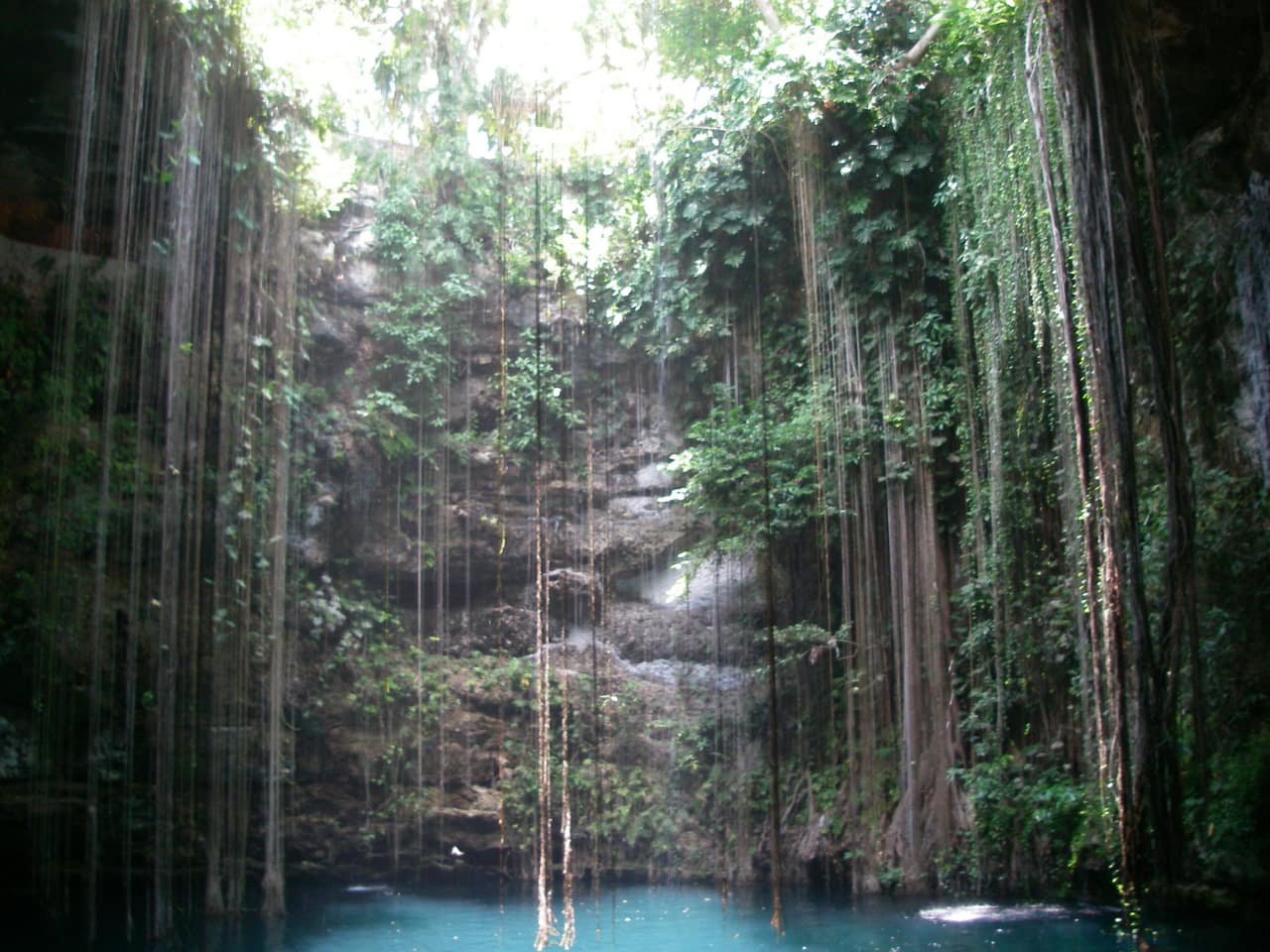
The Yucatan Peninsula has no surface rivers. Rain drains straight through porous limestone into a vast underground water system, and where the rock roof collapses you get a cenote: a sinkhole exposing that groundwater.
They are cold, astonishingly clear, and completely unaffected by sargassum. That last point makes them the answer to a bad beach week.
Near Tulum: Gran Cenote and Cenote Calavera on the Coba road, Dos Ojos north of town for the cave systems, and the Cenote Zacil-Ha and Car Wash cluster inland. Each charges its own entry, typically a few hundred pesos, and the quieter ones are the ones without a car park full of vans.
Most cenotes require you to shower before entering and prohibit conventional sunscreen and insect repellent, because the chemicals accumulate in a closed groundwater system. Bring reef-safe products or plan to swim without. This is enforced, and it is a good rule.
Tulum's beach is a long, straight strip of white sand backed by hotels and beach clubs. Under Mexican law the beach itself is public, but access through private property is controlled, and clubs typically apply a minimum spend of roughly 20 to 40 US dollars per person on food and drink instead of an entry charge.
Public access points exist, notably at Playa Paraiso and Playa Pescadores, and they are where you go if you would rather not buy lunch to sit down.
Sargassum arrives on Caribbean beaches in a season that has grown markedly over the last decade. Peak is June to September. Some hotels rake and remove it daily; many do not. When it is bad, the water is brown and turbid at the shore and the smell is genuinely unpleasant.
If your dates fall in that window, plan cenotes as the primary swimming and treat the beach as a bonus.
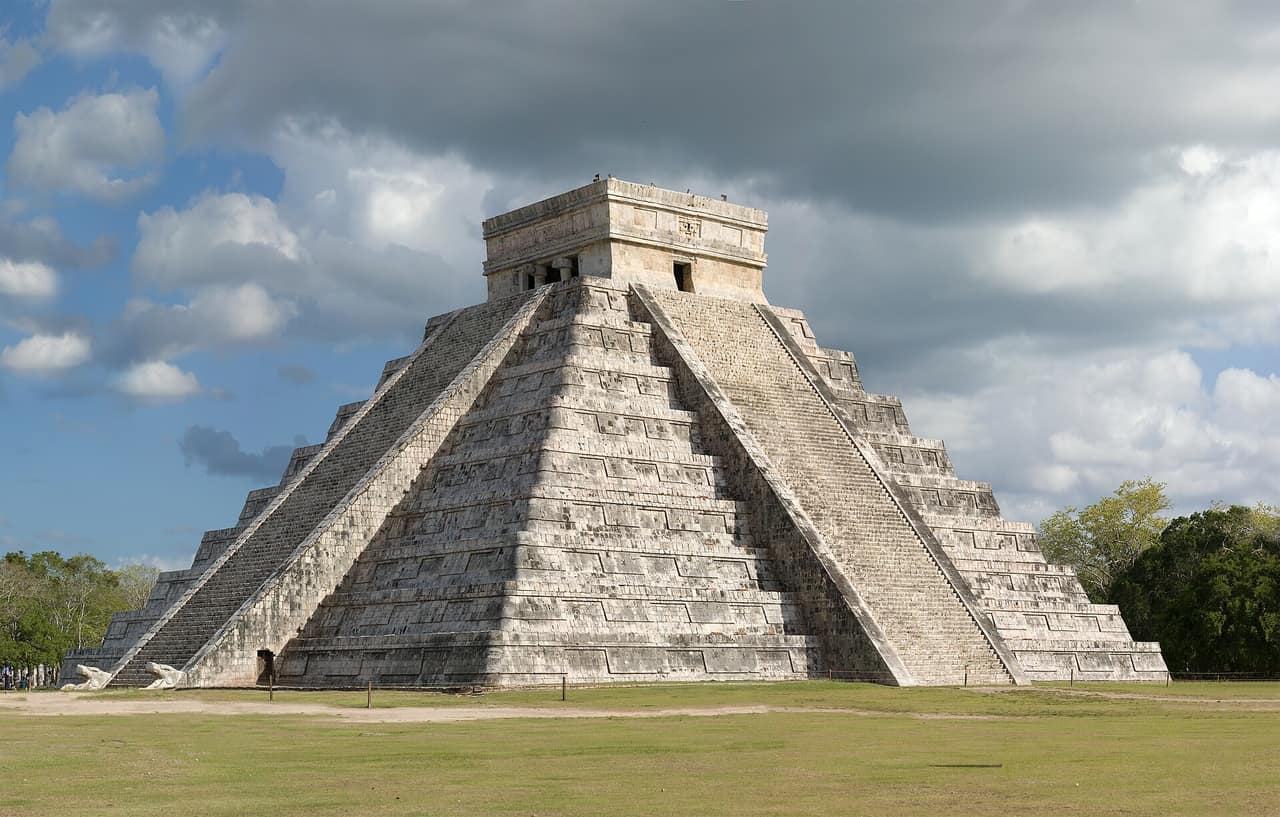
Coba, about 45 minutes inland, is the better ruins day for most people. Bigger, set in jungle, quieter, and you can hire a bicycle to cover the site, which is genuinely enjoyable.
Chichen Itza is about two and a half hours away, is a UNESCO World Heritage Site, and is the most visited archaeological site in Mexico. That popularity is the caveat. Go early or take an organised trip that leaves early.
Sian Ka'an Biosphere Reserve, immediately south, is the wild version of this coast: mangrove, lagoon, bird life and boat trips through channels the Maya cut. It is the least commercial thing near Tulum and the most memorable.
Akumal, 25 minutes north, is known for green turtles in the bay. Access is now regulated with guides and life jackets required in the protected area, which is a good thing for the turtles and worth knowing before you turn up with a snorkel.
Cancun airport is about two hours by road. Tulum's own airport, Felipe Carrillo Puerto International, opened in 2023 and cuts that considerably. The Maya Train also serves the region, with a shuttle from the station to the ruins.
Around town, bicycles are the standard way to move between the pueblo and the beach zone. The road between them is flat and about four kilometres. Taxis are unmetered and expensive; agree the fare first.
Tulum Pueblo, the town on the highway, is where ordinary prices live: taquerias, local hotels, supermarkets. The beach zone is a strip of boutique hotels and clubs priced in dollars. The difference is not marginal. Staying in the pueblo and cycling to the beach is how most repeat visitors do it.
| Season | Beach | Weather | Crowds |
|---|---|---|---|
| December to March | Best. Clean sand, clear water | Dry, warm, low humidity | Peak, highest prices |
| April to May | Good, sargassum starting | Hot, dry | Busy at Easter |
| June to September | Worst for sargassum | Hot, humid, rain, hurricane season | Lowest prices |
| October to November | Improving | Wet early, better late | Quiet, good value |
Weighing Mexico against the Caribbean? Aruba sits outside the main hurricane belt and has no sargassum problem on its western beaches. Our Flamingo Beach guide covers what access to that island's most photographed beach actually requires.
Budget the ruins properly. Three charges totalling 515 to 625 pesos per person is a different number from the one in most guides, and it changes whether a family of four does it at all.
Then check your dates against the sargassum season. If you are travelling between June and September, book somewhere near the cenote road rather than on the beach, and treat the freshwater as the plan rather than the fallback.
Roughly 515 to 625 pesos for international visitors, made up of three separate charges: the INAH archaeological site ticket, a CONANP national park bracelet, and a Parque del Jaguar access fee. Buy them at the gate and expect the total, not the INAH figure quoted in older guides.
The protected park created around the archaeological site, which reorganised how visitors reach the ruins. It added its own access fee and its own entrance arrangements, including a shuttle between the arrival area and the site entrance.
June to September is the peak, when brown seaweed can pile up deep along the shore and smells of sulphur as it decomposes. December to March is the reliable window for clear water and clean sand.
Swim in a cenote. The freshwater sinkholes inland are unaffected by sargassum and are the region's best swimming in any case. That is the single most useful contingency plan for a Tulum trip.
The beach itself is public under Mexican law, but access to it through hotel and club property is controlled, and clubs typically apply a minimum spend of around 20 to 40 US dollars per person on food and drink in place of an entry fee.
The beach zone is, and considerably more than most visitors expect. Tulum Pueblo, the town inland, is a fraction of the price for food and accommodation, and it is where the value is.
Cancun airport is about a two-hour drive, and Tulum has its own airport, Felipe Carrillo Puerto International, which opened in 2023. The Maya Train also serves the area, with a shuttle connecting the station to the ruins.
The best-value restaurant list in Seoul is not the starred one. Here is how I choose where to eat, and the honest situation at the market everyone tells you to visit.
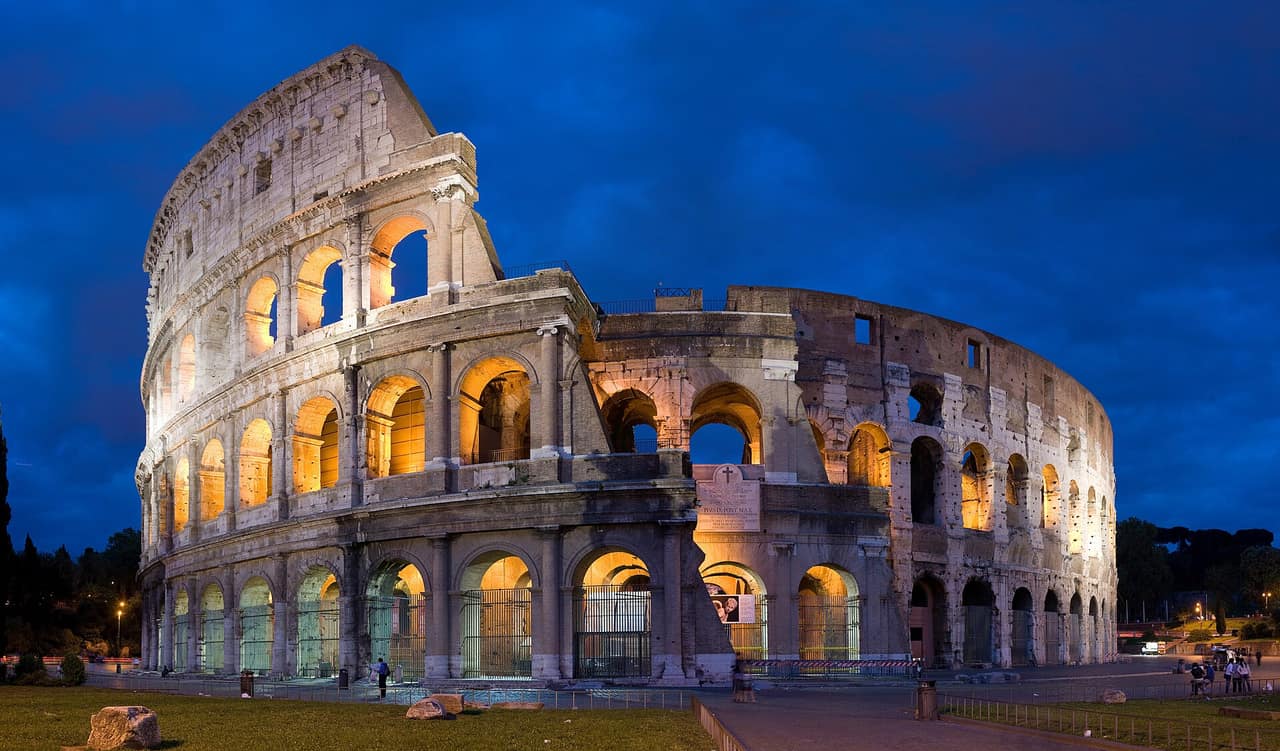
Three days is the right length for Rome and the tickets are where people lose money. Two official sites, two mandatory fees, and a route that avoids crossing the city twice.
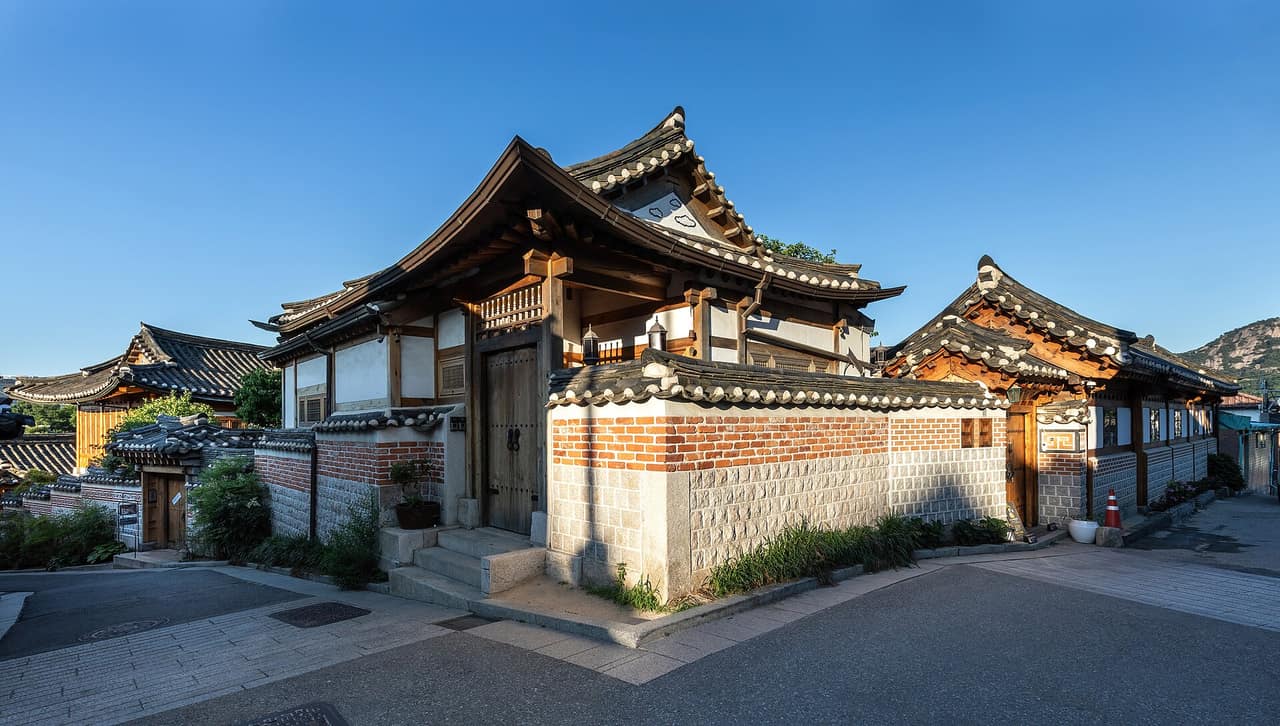
Seoul had a record 10.71 million visitors in the first half of 2026, and the city answered with rules that carry fines. Here is what the sights cost, which days they close, and the neighbourhood where arriving at the wrong hour is a fineable offence.