
Destinations
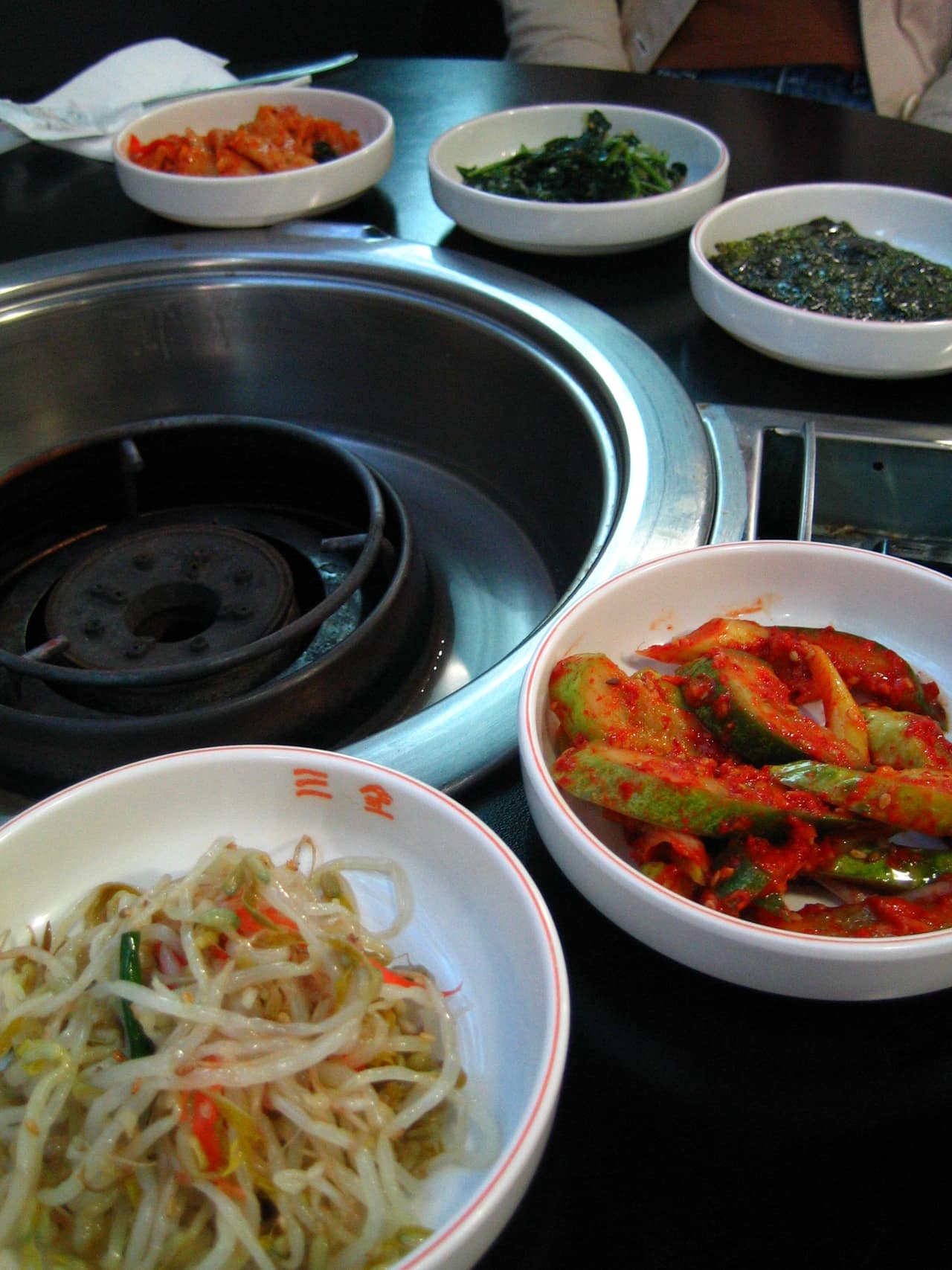
Where to Eat in Seoul: 71 Bib Gourmands Against 42 Stars
The best-value restaurant list in Seoul is not the starred one. Here is how I choose where to eat, and the honest situation at the market everyone tells you to visit.
The most photographed beach in the Caribbean is on a private island with a hard daily cap. There is exactly one way in for non-guests, and it involves a calendar reminder.
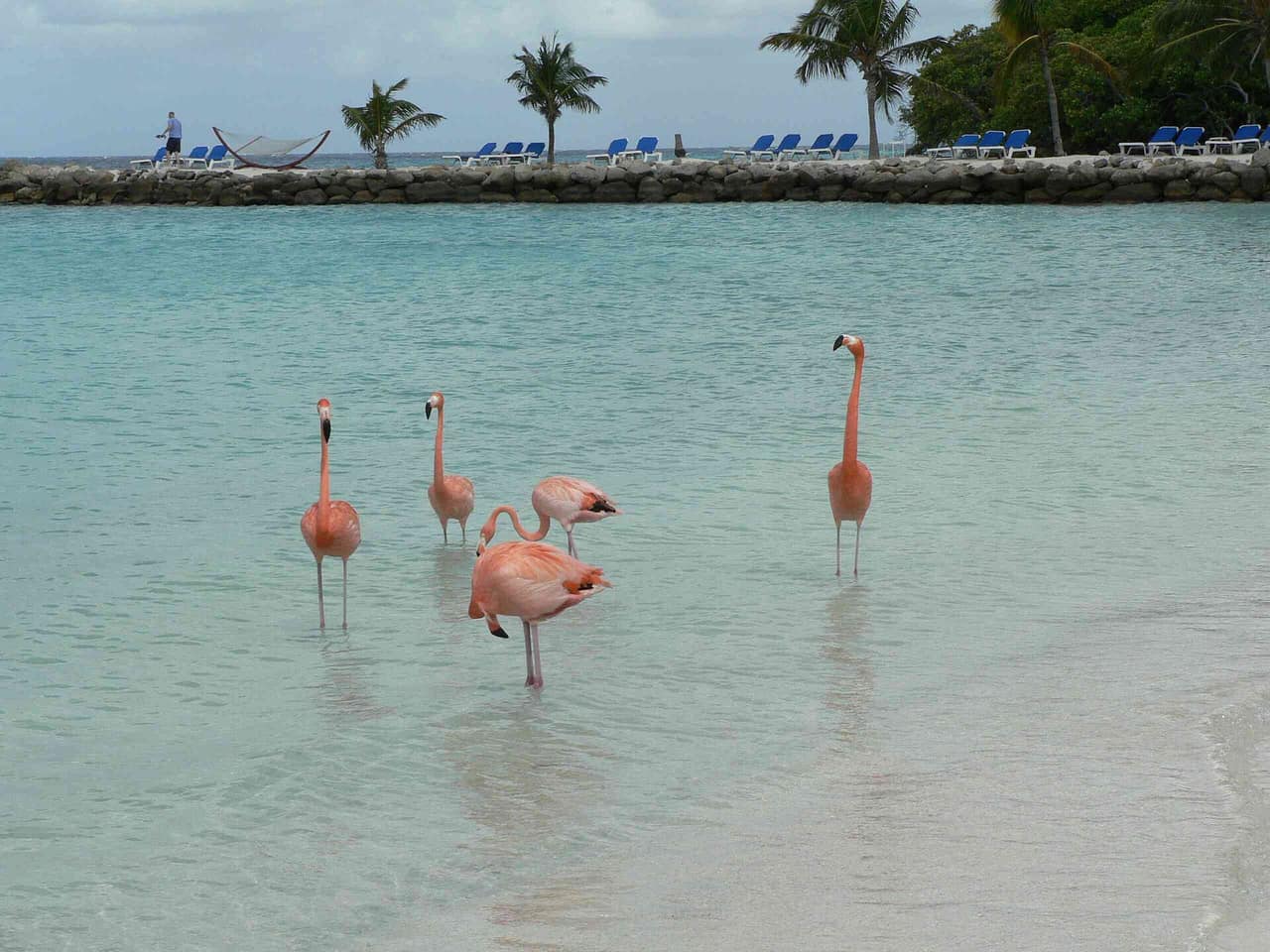
Flamingo Beach is on Renaissance Island, which is private property belonging to the Renaissance Aruba resort. That single fact governs everything: there is no public path to those flamingos, and the photographs that made the place famous are taken on land you have to buy your way onto.
There are exactly two ways in.
Stay at a Renaissance hotel. Guests get free, unlimited island access for the duration of their stay, on a room key shown at the boat dock.
Buy a day pass. These are released every Saturday at 9am Aruba time for the following Monday to Sunday, at roughly 20 to 30 per day, and busy weeks sell out within the hour. Expect around $125 on weekdays and $150 at weekends per adult plus tax, with children about half.
That is the whole logistics problem, and it is worth a calendar reminder set for Friday night.
Passes go on sale through the resort's official day pass portal at renaissancearuba.idaypass.com. The release is weekly rather than rolling, and the cap is per day rather than per week, so a Tuesday can be available when a Saturday has gone.
What the pass includes: the boat transfer from the resort in Oranjestad, access to the island, and use of the facilities. Cabanas are a separate and considerably more expensive booking.
Flamingo Beach is adults only. The flamingos are on that side. Iguana Beach, on the other side of the island, is the family beach and children go there. If you are travelling with children and the flamingo photograph is the goal, understand the arrangement before you buy anything.
Honestly: it depends what you want from it.
Worth it if the flamingo photograph is genuinely the thing you came to Aruba for, or if you are staying at a Renaissance hotel and it is free.
Not worth it if you want a good Caribbean beach day. At $125 to $150 a head before food and drink, this is one of the more expensive beach afternoons in the region, and Aruba's free public beaches are excellent.
The flamingos are a managed population, habituated to people and to being fed. That is not a criticism, it is a description, and it is worth knowing before you frame the visit as a wildlife encounter.
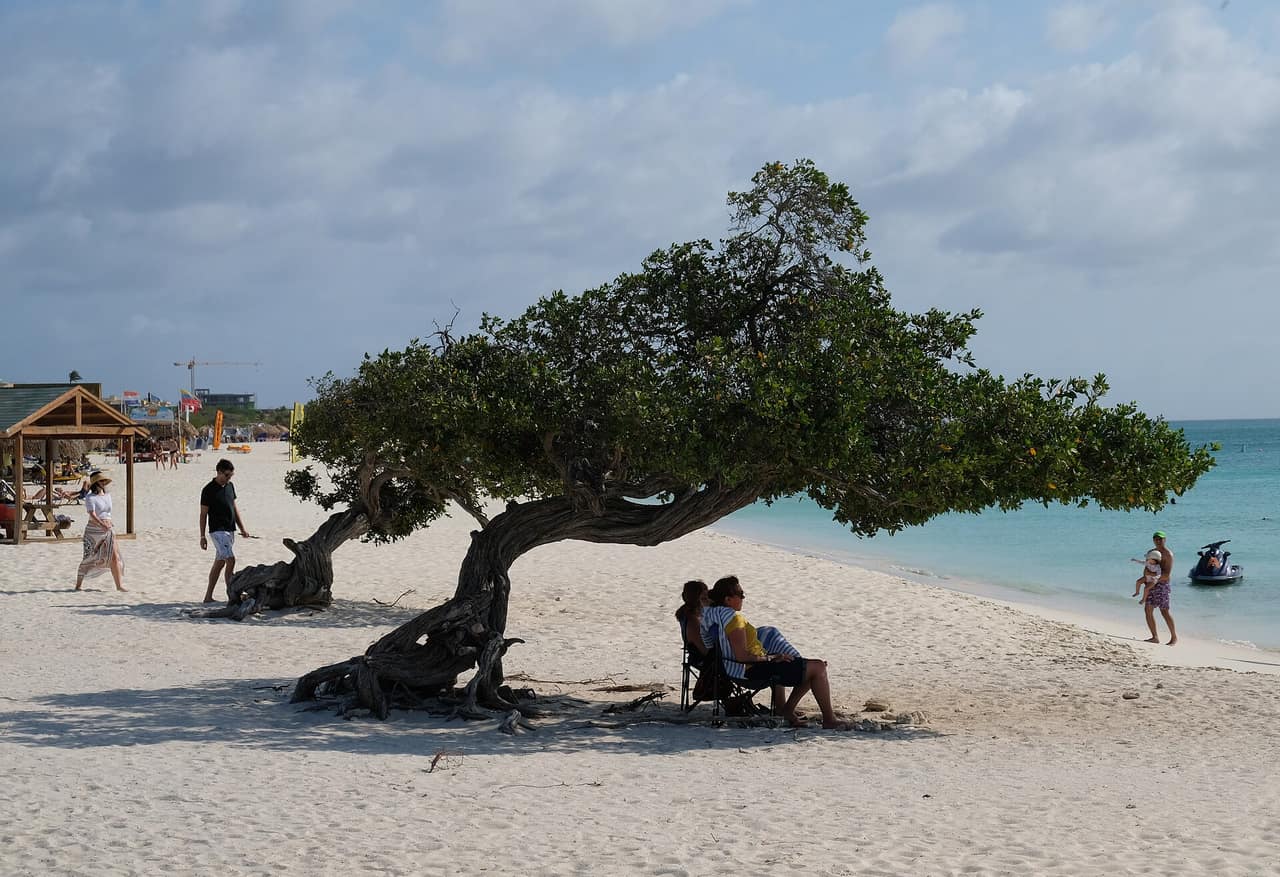
Eagle Beach. Wide, white, public and free, with the wind-bent divi-divi trees that are Aruba's actual emblem. It regularly appears near the top of Caribbean beach rankings and it costs nothing. If you only go to one beach on the island, go here.
Palm Beach. The high-rise hotel strip, busier and more commercial, with watersports, piers and restaurants. Free and public, like all Aruban beaches outside the private island.
Baby Beach. In the south east near San Nicolas, a shallow sheltered lagoon that barely gets deeper than waist height across a wide area. This is the genuine children's beach on Aruba and it is better for that purpose than anything on Renaissance Island.
Arashi Beach. North west, near the California Lighthouse, with good snorkelling straight off the sand.
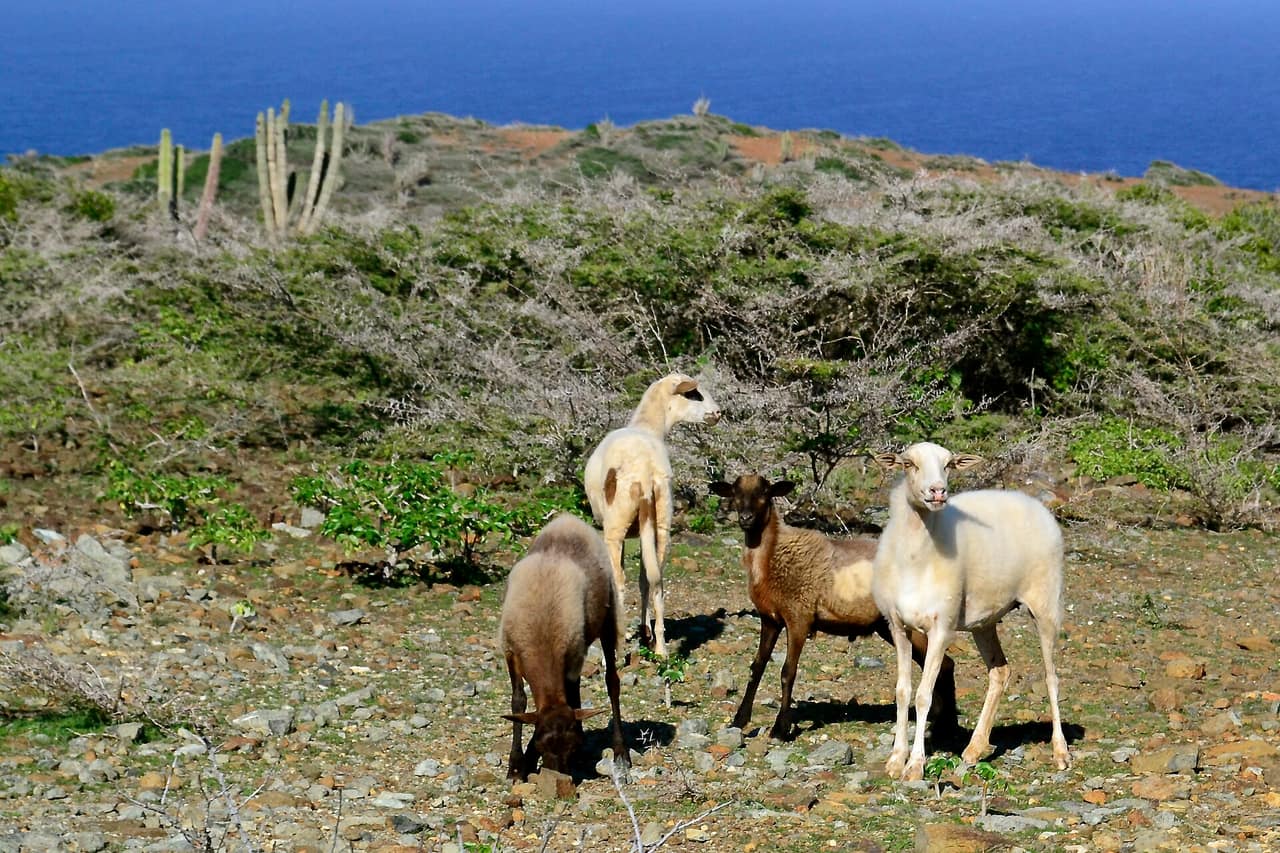
Arikok National Park covers close to a fifth of the island and is where you find out that Aruba is a desert: cactus, volcanic rock, wave-cut limestone terraces, feral goats and donkeys. The Natural Pool, Conchi, is a rock-enclosed pool on the wild north coast reachable by 4x4, on foot, or by horse. There is an entrance fee and a 4x4 is genuinely required for most of the interior tracks.
Oranjestad is the capital, with Dutch colonial architecture painted in colours the Netherlands never attempted, and a free tram along the main street.
San Nicolas in the south has become a street-art town, with large murals across the old refinery district. It is the most interesting hour on the island for anyone tired of beaches.
Diving and snorkelling. The Antilla, a scuttled German freighter from 1940, is one of the largest and most accessible wrecks in the Caribbean and is reachable by snorkellers as well as divers.
Currency. The Aruban florin is the local currency and US dollars are accepted essentially everywhere. Cards are widely taken.
Language. Dutch and Papiamento are official; English and Spanish are spoken universally in the tourist economy.
Wind. Aruba is windy every day. That is why it is comfortable at 30C and why the divi-divi trees lean, and it is also why sunburn happens faster here than people expect: the breeze removes the sensation of heat, not the ultraviolet.
Hurricanes. Aruba sits at the southern edge of the belt and direct strikes are uncommon, which is the basis of its year-round season and its relatively flat pricing.
Comparing Caribbean options? Tulum on Mexico's Caribbean coast is cheaper and busier, and it has a seaweed season that Aruba's western beaches do not. Our Tulum guide covers the ruins' new three-part ticket and the months to avoid.
If Flamingo Beach matters to you, decide between the two routes now. Either book a Renaissance hotel, which makes the island free and unlimited and often works out sensibly against paying passes for a family, or set a reminder for Saturday, 9am Aruba time, and buy the moment the release opens.
If it does not matter that much, go to Eagle Beach instead, spend the $250 a couple would have spent on the island on a day in Arikok and a good dinner, and you will have had the better day.
No. It is on Renaissance Island, private property belonging to the Renaissance Aruba resort. Hotel guests have free unlimited access with a room key. Everyone else needs a day pass, and those are capped and often sold out.
Roughly $125 on weekdays and $150 at weekends per adult in 2026, plus tax, with children around half price. The pass includes the boat transfer and use of the island's facilities.
Every Saturday at 9am Aruba time, for the following Monday through Sunday. Only about 20 to 30 are released per day and busy weeks sell out within the hour. Buy through the resort's official day pass portal.
The flamingo beach itself is, yes. Renaissance Island has two beaches: the adults-only side where the flamingos are, and Iguana Beach on the other side, which is family-friendly. Children can visit the island but not that particular beach.
No. The flamingos are a managed population on private property. Anyone offering you free access to them is describing something that does not exist.
Eagle Beach and Palm Beach are both public, free and genuinely excellent, with Eagle Beach regularly ranked among the best in the Caribbean. Baby Beach in the south east is a shallow sheltered lagoon that is better for small children than anything on the private island.
It sits at the southern edge and is rarely affected directly, which is why it markets itself on reliable weather. Direct hurricane strikes are uncommon, though not impossible, and the island is dry and windy year round.
The best-value restaurant list in Seoul is not the starred one. Here is how I choose where to eat, and the honest situation at the market everyone tells you to visit.
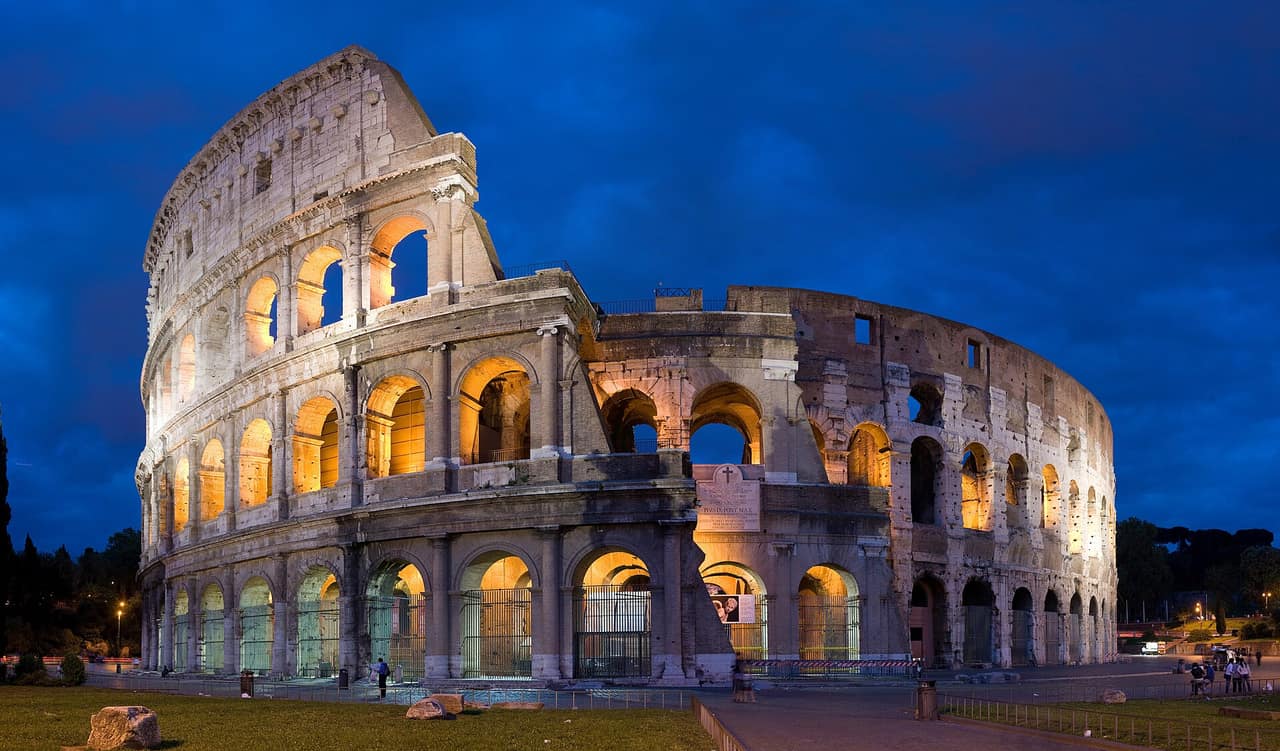
Three days is the right length for Rome and the tickets are where people lose money. Two official sites, two mandatory fees, and a route that avoids crossing the city twice.
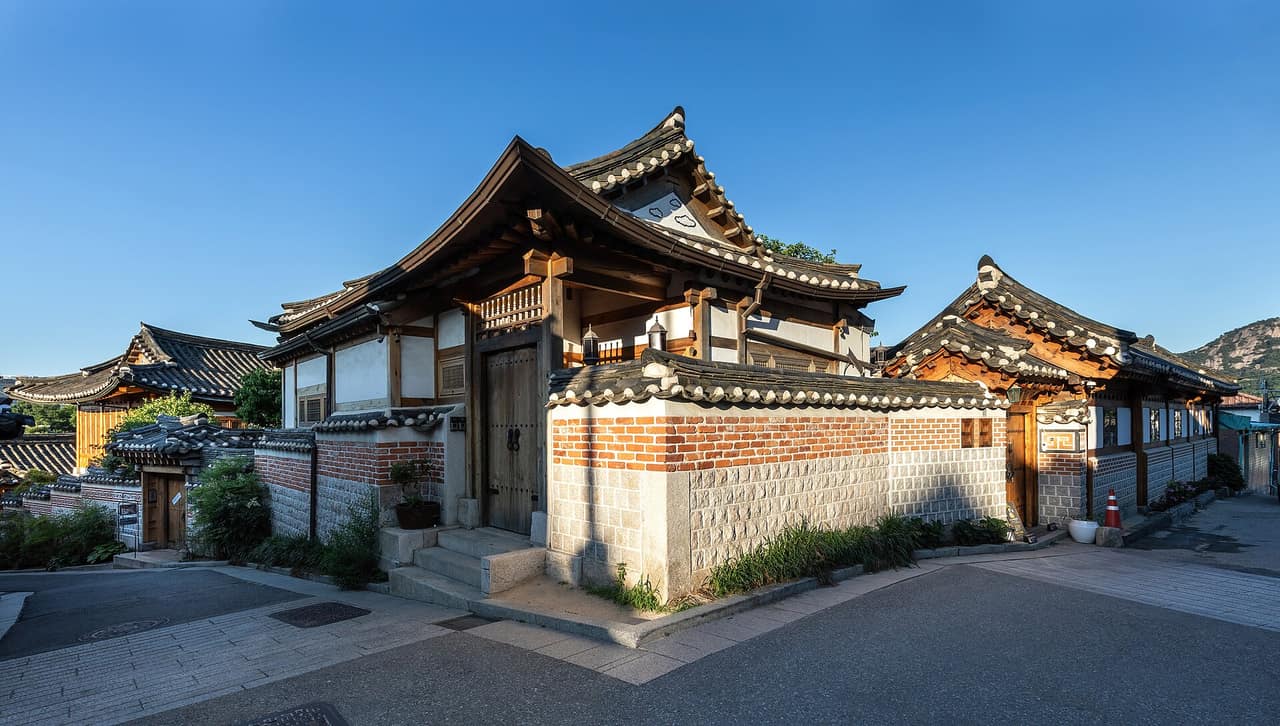
Seoul had a record 10.71 million visitors in the first half of 2026, and the city answered with rules that carry fines. Here is what the sights cost, which days they close, and the neighbourhood where arriving at the wrong hour is a fineable offence.