
Destinations
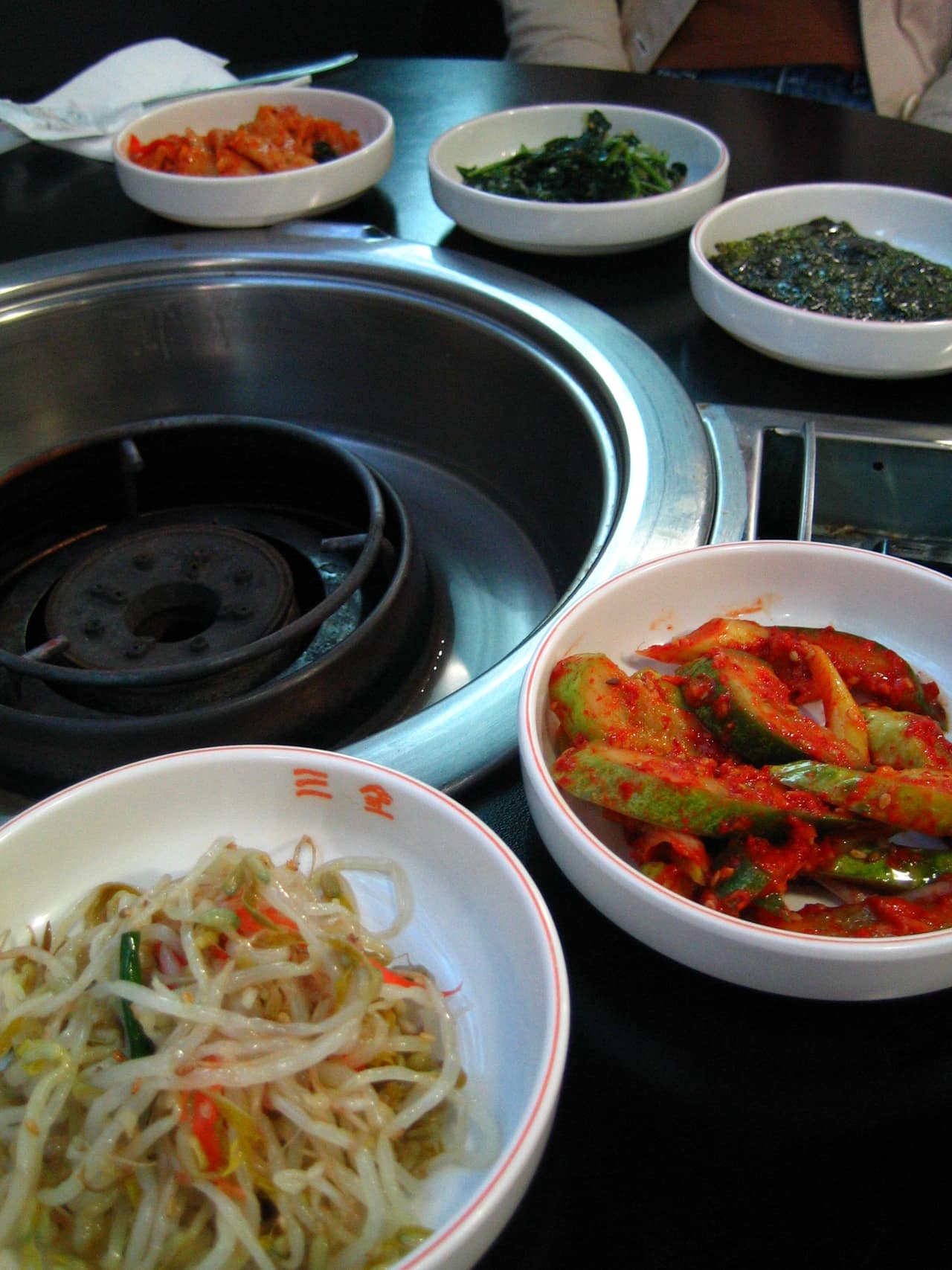
Where to Eat in Seoul: 71 Bib Gourmands Against 42 Stars
The best-value restaurant list in Seoul is not the starred one. Here is how I choose where to eat, and the honest situation at the market everyone tells you to visit.
Two hours north of the beach clubs there is a village in the clouds with waterfalls in every direction. It is the best value in Bali and it is not a beach holiday.
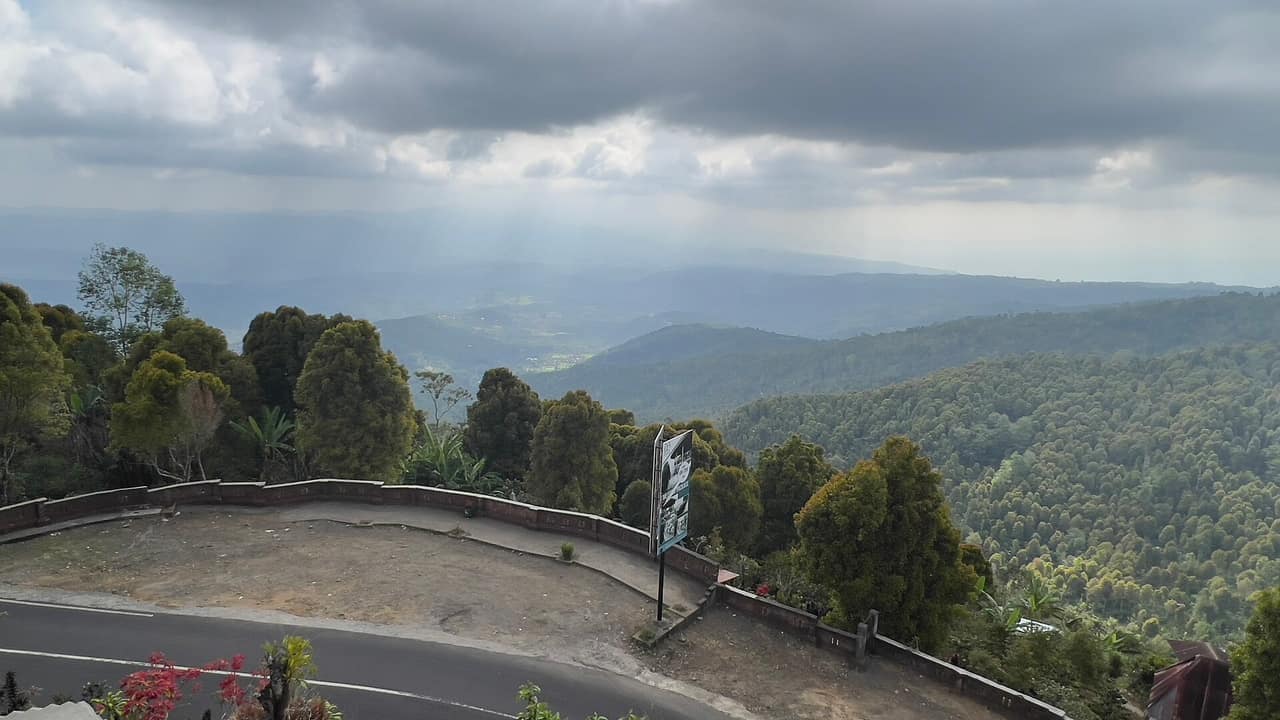
Two hours north of the beach clubs, Bali has a village on a ridge at around 800 metres where the air is cool, the afternoons cloud over, and there is a waterfall at the end of most footpaths. Almost nobody books it.
Munduk is the best value on the island and it is not a beach holiday. Getting that straight before you go is most of what makes the trip work.
Before anything else, one piece of admin that applies to the whole island: Bali charges a tourist levy of 150,000 IDR per person, and the provincial government's own Love Bali FAQ states it is paid once per trip, not per entry, and strongly encourages paying online before you travel. Plenty of guides describe it as an arrival fee, which is why people end up queueing at the airport for something they could have done at home in two minutes.
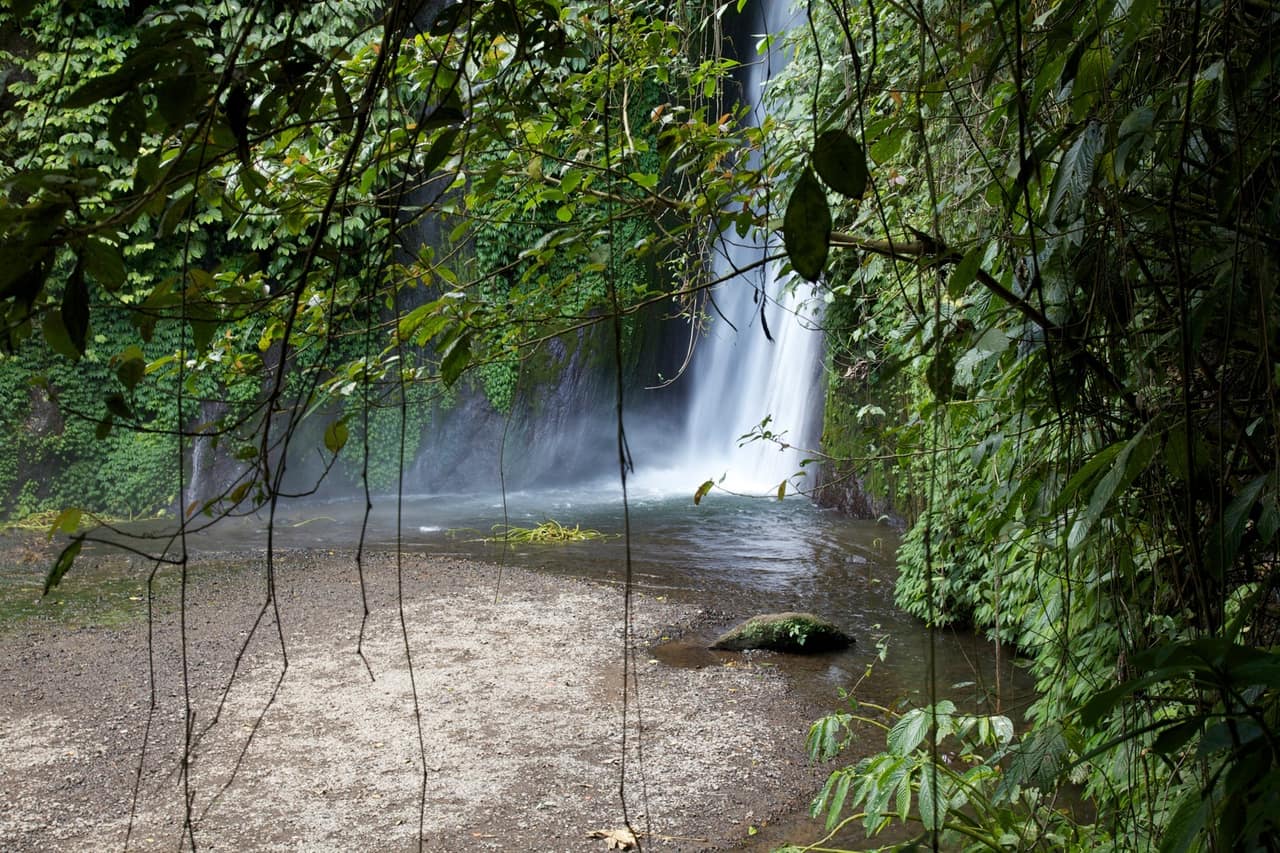
A single road along a ridge, with guesthouses and warungs looking down a valley toward the north coast. Clove and coffee plantations on the slopes. Rivers dropping off the ridge in every direction, which is why the waterfalls cluster here.
The altitude is the whole character of the place. It is cool enough to want a layer in the evening, which is not a sentence you write about anywhere in south Bali, and it rains far more than the coast. Mornings tend to be clear and afternoons frequently cloud in.
That combination produces the thing people actually come for: a village where you walk, and where the walking is through plantations and forest rather than along a road with scooters on it.
Each waterfall charges its own entrance fee, collected at a small booth, in cash. A day visiting three means paying three times.
| Waterfall | Rough fee | The walk |
|---|---|---|
| Munduk (Red Coral) | ~20,000 to 30,000 IDR | Short, mostly steps, easiest of the group |
| Melanting | Similar | Steeper, longer, quieter |
| Golden Valley | Similar | Part of the same trail network |
| Banyumala Twin | ~50,000 IDR | Short but steep descent, and the best swimming |
| Sekumpul | Higher, sometimes with a guide fee | The most impressive and the hardest |
Fees are set locally and change without notice, so treat these as the shape of the cost rather than a price list. Carry small notes. No booth takes a card and none of them has change for a 100,000.
If you have one day: Banyumala in the morning for the swim, then the Munduk trail network in the afternoon, which links several falls on one walk.
Sekumpul is the one people rate highest and it is a genuine hike with a lot of steps, plus a river crossing that changes with the water level. It also has a history of aggressive guide touting at the entrance. Go early, agree any guide fee before you set off, and be clear about what you are paying for.
These trails are steps cut into a wet tropical hillside, and they are slick. Trainers with grip beat sandals by a wide margin, and the afternoon rain is frequent enough that the last hour of a walk is often the wettest. If a river is running high and brown, do not cross it.
Lake Tamblingan and Lake Buyan, the twin crater lakes just east of the village.
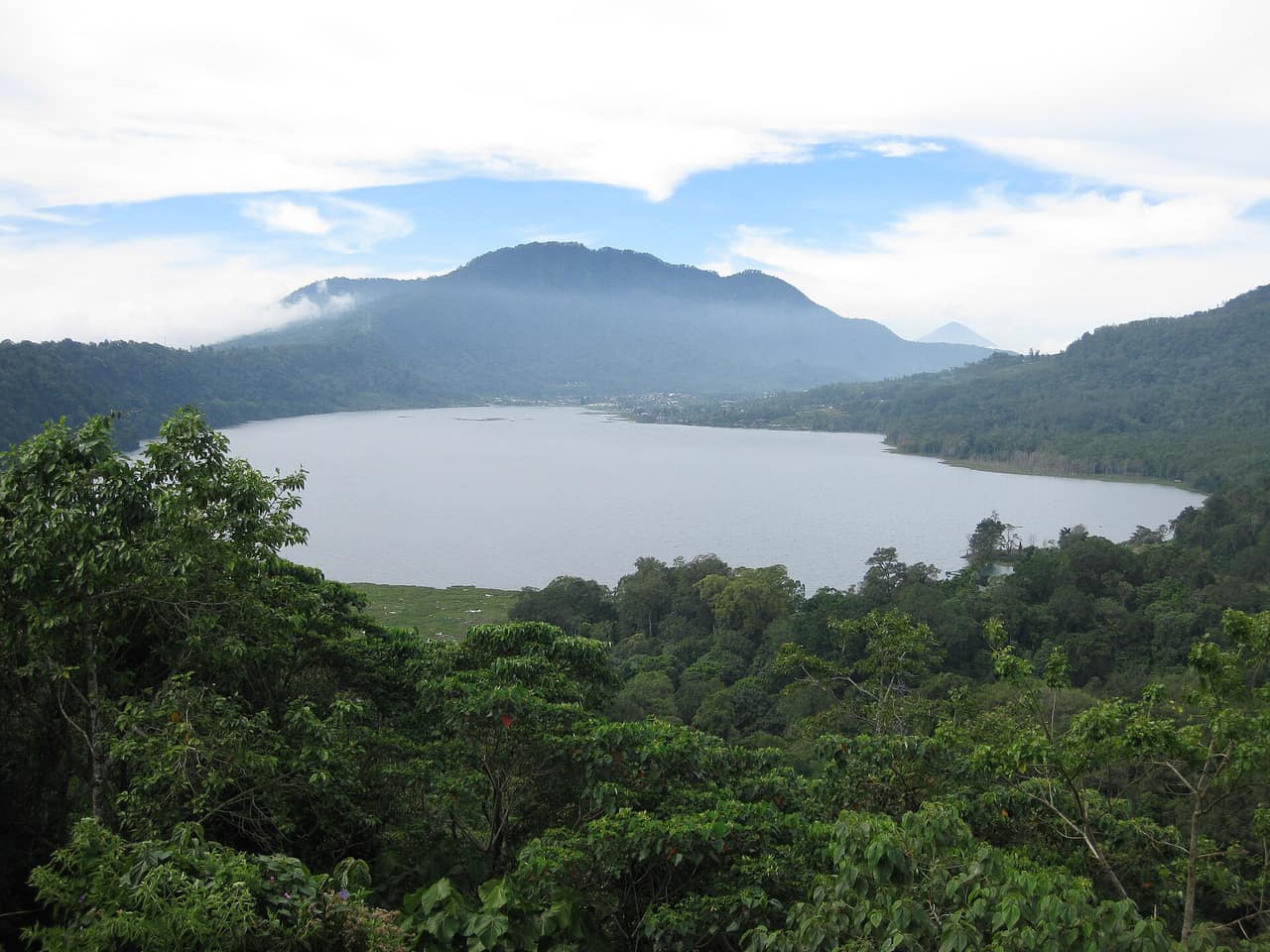
Tamblingan is the quieter of the two and you can take a traditional dugout across it. The ridge walk between the lakes gives you the view that appears on every north Bali postcard, usually with the cloud sitting in the valley below you.
Coffee and clove plantations. Munduk grows both, and the small family operations along the road will show you the process. This is worth an hour and it is genuinely different from the tourist coffee stops on the Ubud road.
Git Git and the north coast. Half an hour down the mountain gets you to Lovina and the black-sand north coast, which is a completely different trip and worth a day if you are staying three nights.
It works if you want to walk, you like cool air, and a day structured around waterfalls and a plantation sounds better than a day structured around a pool.
It does not work if you want a beach, a beach club, or nightlife. There is none of any of those, and no amount of scenery substitutes.
It especially works as the second stop on a two-base Bali trip: south or Ubud first, then two nights up here for the contrast. Trying to day-trip Munduk from Seminyak means five hours in a car to see two waterfalls in the rain.
From Ubud: about two hours. From the airport or Seminyak: closer to three, on mountain roads.
Most people hire a car with a driver for the transfer, and that is what I would do. The road climbs and twists, it is often wet, and a driver costs less for the day than most people expect.
Scooters are the local way to move around once you are there, and the distances between waterfalls are short. The caveat is the same one that applies across Indonesia: check that your travel insurance actually covers you on a motorbike, because most standard policies do not, and doubly so without the correct licence.
First long trip through Southeast Asia? Munduk is exactly the kind of place that rewards travelling slowly and cheaply, which is a style with its own logic. My guide to what backpacking travel actually means covers the trade you are making and who it suits, including who it does not.
Bali's dry season runs roughly April to October, and that is the window for Munduk more than for the coast, because the wet season here is genuinely wet. Even in the dry months, expect cloud and rain in the afternoon.
The upside of the rain is the reason you came: the waterfalls run hard, and the valley is green in a way the dry south is not.
Go early every day. Clear mornings are the pattern, cloudy afternoons are the pattern, and every good photograph and every dry walk comes from the first half of the day.
Pay the 150,000 IDR levy online before you fly. It takes two minutes on the official portal, you get a QR voucher by email, and it removes the one avoidable queue in a Bali arrival.
Then book two nights rather than one, arrange the transfer up rather than driving it yourself, and draw enough small notes to cover three waterfall fees a day. That is genuinely the whole plan for Munduk, and the lack of planning required is a large part of why it is worth the drive.
In the north of the island, in Buleleng Regency, on a ridge at roughly 800 metres between the twin lakes of Tamblingan and Buyan and the north coast. It is about two hours from Ubud and closer to three from Seminyak or the airport, on mountain roads.
Yes, if you are a foreign visitor travelling for tourism. It is 150,000 IDR per person and the provincial government's FAQ says it is paid once per trip, not per entry. Pay it online through the official Love Bali portal before you fly and you get a QR voucher by email.
Small individual entrance fees, in the region of 20,000 to 30,000 IDR per person at Munduk itself, with a little more for parking. Banyumala Twin Waterfall, a short drive away, is higher at around 50,000 IDR. Each waterfall charges separately, so a day of three costs three fees.
If you want walking, waterfalls, coffee plantations and cool air, yes, and it is the best value on the island. If you want a beach, a beach club or nightlife, no, and you should not force it into an itinerary that is really about the south.
Two nights. That gives you a full day for the waterfall walks and a morning for the lakes or a plantation. One night means arriving in the afternoon and leaving after breakfast, which wastes the drive.
Cool and wet by Bali standards. The altitude drops the temperature noticeably against the coast, mornings are often clear and afternoons frequently cloud over and rain. Bring a layer and a rain jacket, which is not advice anyone gives for south Bali.
You can ride a scooter, and plenty do, but the roads are steep, narrow and slick after rain, and the drive up from the south is long. For most visitors a hired car with a driver for the transfer is money well spent.
The best-value restaurant list in Seoul is not the starred one. Here is how I choose where to eat, and the honest situation at the market everyone tells you to visit.
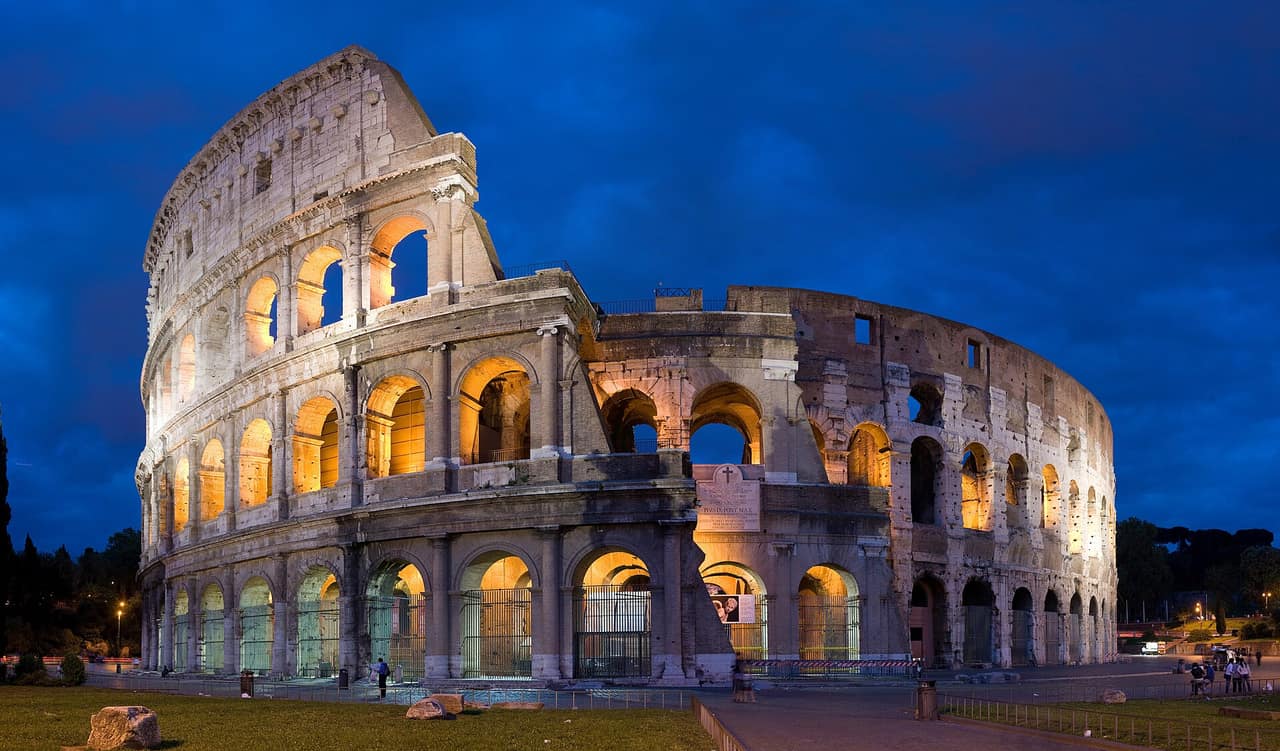
Three days is the right length for Rome and the tickets are where people lose money. Two official sites, two mandatory fees, and a route that avoids crossing the city twice.
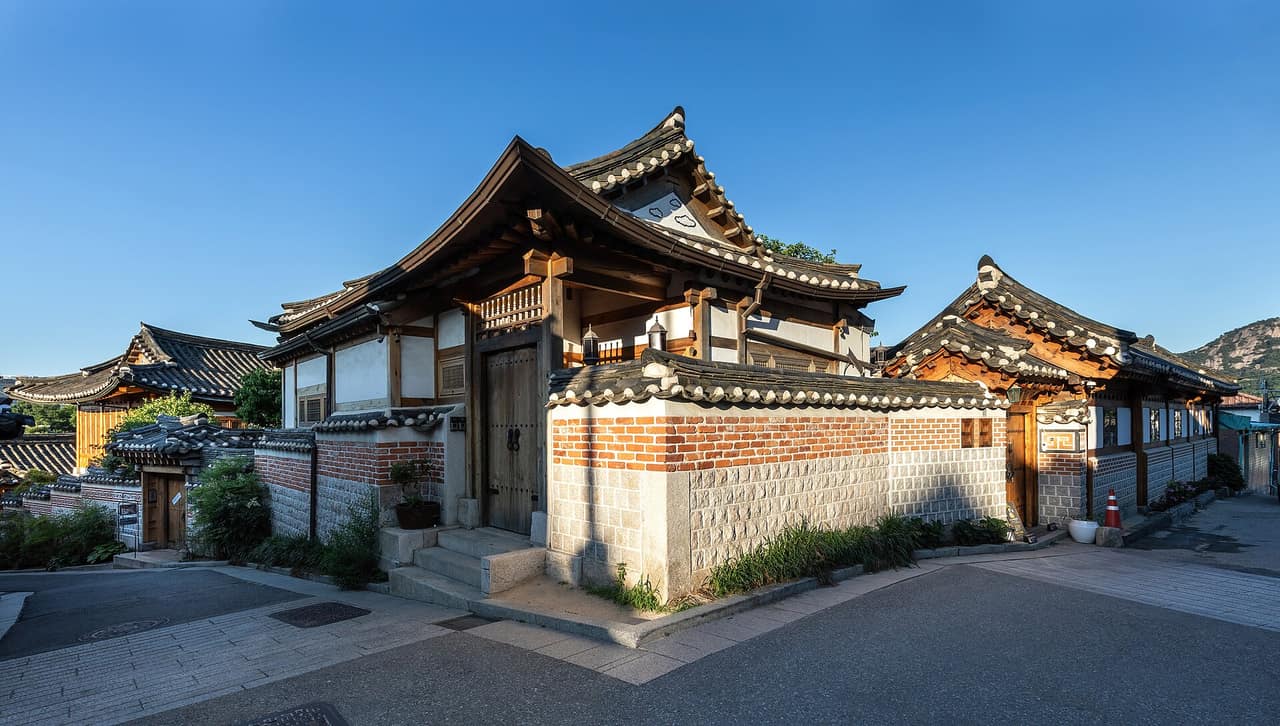
Seoul had a record 10.71 million visitors in the first half of 2026, and the city answered with rules that carry fines. Here is what the sights cost, which days they close, and the neighbourhood where arriving at the wrong hour is a fineable offence.