
Destinations
Where to Eat in Seoul: 71 Bib Gourmands Against 42 Stars
The best-value restaurant list in Seoul is not the starred one. Here is how I choose where to eat, and the honest situation at the market everyone tells you to visit.
The lake on Provo's doorstep is under a swimming advisory for much of most summers. The canyon behind the city is not, and that is where the good days are.
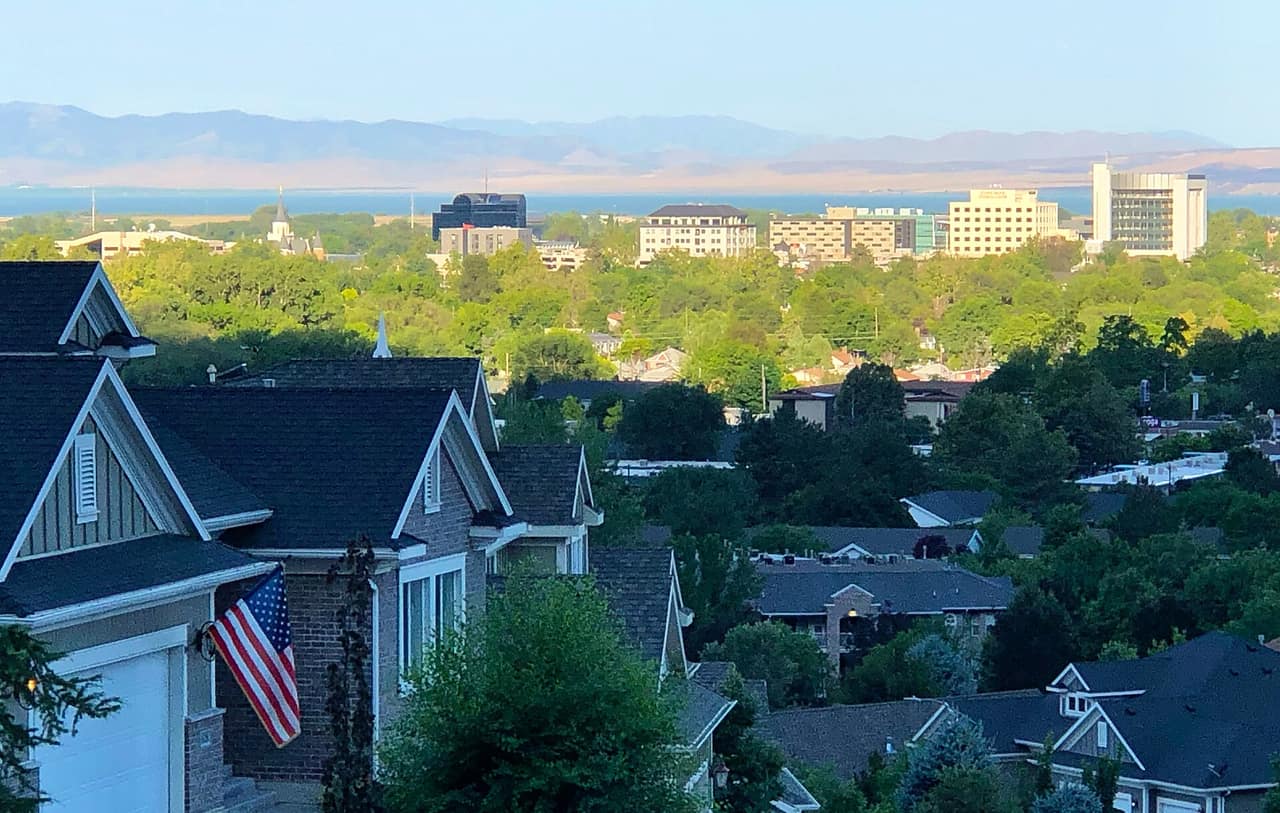
Provo sits between a lake and a mountain range, and most guides send you to the lake. That is usually the wrong call. Utah Lake gets harmful algal bloom advisories most summers, and in recent years those advisories have covered every marina and beach on the lake simultaneously, including Utah Lake State Park.
The mountains behind the city do not have that problem. Provo Canyon, Bridal Veil Falls, the Alpine Loop and Mount Timpanogos are all within half an hour, and the university in the middle of town has museums that cost nothing.
Utah Lake is large, shallow and warm, which is exactly the recipe for cyanobacteria. Blooms recur, health advisories follow, and the advisories are not decorative: the toxins involved make people and animals genuinely ill.
What a warning advisory typically restricts: swimming, wading, water-skiing, and drinking or cooking with the water. What it typically still allows: motorised boating and sailing, since those keep you out of contact with it.
Utah's Department of Environmental Quality publishes a live harmful algal bloom map with the current advisory level for each waterbody and access point. Check it the morning you go, not the week before, because the status changes. And keep dogs out of affected water entirely: they drink it and then lick their coats, which is why dogs are usually the first casualties of a bloom.
None of this means Utah Lake is worthless. It means plan a boat rather than a swim, and treat any summer beach plan as provisional.
A 600-foot double cataract right off the canyon road, with a car park and a short paved path. Free, easy and genuinely spectacular, which is why it is busy from mid-morning onward at weekends. Go early.
The Provo River Parkway Trail runs through the canyon past the falls, paved and gently graded, and it is the best way to see the canyon on foot or by bike without committing to a mountain.
A scenic drive over the shoulder of Mount Timpanogos linking Provo Canyon to American Fork Canyon. It is narrow, steep and closed by snow in winter, and it is one of the best drives in the state in late September and early October when the aspens turn.
Timpanogos Cave National Monument sits on the American Fork side. The cave tour is ticketed and reserved in advance, and reaching the entrance requires a strenuous 1.5-mile paved climb gaining around 1,000 feet. That approach catches people out; the cave is not a drive-up.
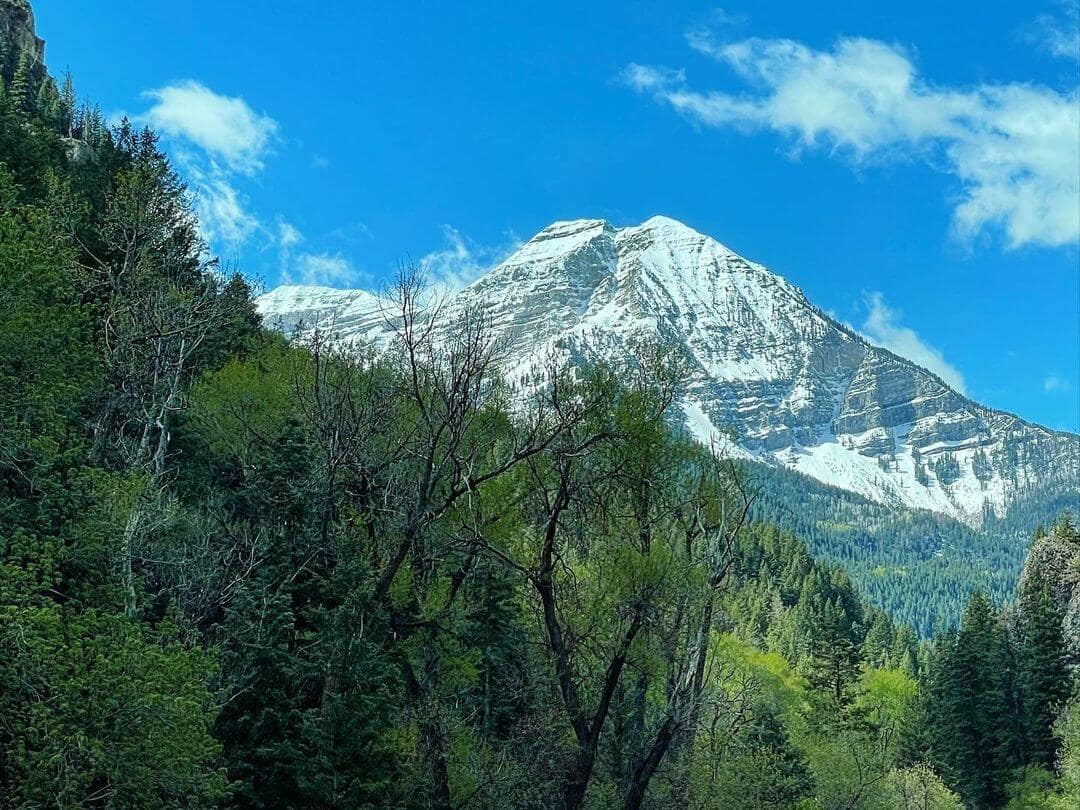
The big one. Standard routes run roughly 14 to 15 miles round trip with about 4,500 feet of gain, topping out above 11,700 feet.
This is a serious day hike, not an afternoon walk. Start before dawn, carry more water than feels necessary, expect snowfields on the upper mountain into July, and take altitude seriously if you have arrived recently from sea level. The Timpooneke and Aspen Grove trailheads are the two standard starts and they are both on the Alpine Loop.
The campus dominates Provo, and its museums are the best indoor attractions in the city. The Museum of Art, the Museum of Paleontology and the Bean Life Science Museum have historically been free to enter, with special exhibitions sometimes ticketed. The paleontology museum holds a serious dinosaur collection built from Utah's own fossil beds and is far better than its low profile suggests.
The Department of Theatre and Media Arts stages a full season, and tickets are cheap by professional-theatre standards.
Note that BYU is a religious institution with a published honour code affecting dress and conduct on campus. Visitors are welcome; a little awareness goes a long way.
Built inside the shell of the 1898 Provo Tabernacle, which burned in 2010 leaving only the exterior walls. The reconstruction preserved that shell and built a temple within it, which makes the building genuinely interesting architecturally rather than just devotionally.
The interior is open to members of the Church of Jesus Christ of Latter-day Saints holding a current recommend. The grounds and exterior are open to everyone, and that is where the building is best appreciated anyway.
Centre Street has a restaurant and coffee scene supported by a large student population, plus the Covey Center for the Arts. Utah's alcohol laws are distinctive and Utah County is more restrictive than Salt Lake; plan accordingly rather than being surprised.
| Season | Canyon | City |
|---|---|---|
| April to May | Waterfalls at peak flow, Alpine Loop may still be closed | Excellent, students still in term |
| June to August | Hot in the valley, cool at altitude. Lake advisories likely | Quiet in August between terms |
| September to October | The best window. Aspens turn late September into October | Ideal |
| November to March | Alpine Loop closed. Skiing at Sundance, 20 minutes up the canyon | Cold, clear, cheap |
Sundance Mountain Resort sits in Provo Canyon and runs skiing in winter and a lift plus mountain biking in summer. It is a twenty-minute drive from the city and is the main reason to visit Provo between December and March.
Coming for the mountains rather than the town? If altitude and cold water are the appeal, our guide to Boat Box Hot Springs covers the roadside soak on Idaho's Salmon River, five hours north, where the trick is mixing 136F spring water down to something you can sit in.
Point the car up Provo Canyon rather than out to the lake. Bridal Veil Falls early in the morning, the Provo River Parkway on foot or a bike, and the Alpine Loop in the afternoon if it is open.
Keep the BYU museums as the wet-weather plan, since they are free and indoors. And if the lake is genuinely part of your plan, check the state's algal bloom map before you commit to anything involving getting in the water.
Often not. Harmful algal blooms recur most summers and health advisories have covered every marina and beach on the lake at once, including Utah Lake State Park. Check the Utah Department of Environmental Quality bloom map before planning any contact with the water.
Generally yes. Warning advisories target contact recreation, so swimming, wading, water-skiing and drinking are what get restricted, while motorised boating and sailing are usually still considered acceptable. Keep dogs out of the water entirely, since they drink it and lick their coats.
Only the grounds. The temple interior is open to members of the Church of Jesus Christ of Latter-day Saints holding a current recommend. The grounds and the exterior are open to everyone and the building itself, rebuilt inside the shell of a burned 1898 tabernacle, is the interesting part.
The main campus museums, including the Museum of Art, the Museum of Paleontology and the Bean Life Science Museum, have historically been free to enter, though some special exhibitions are ticketed. Check the university's current listings before you go.
Hard. The standard routes run roughly 14 to 15 miles round trip with around 4,500 feet of elevation gain, finishing above 11,700 feet. It is a full day for a fit hiker, snow lingers on the upper mountain well into summer, and altitude affects people who have flown in from sea level.
Yes. It is roadside in Provo Canyon with a car park and a short paved path, and it is one of the easiest waterfalls in Utah to reach. It is busiest at weekends and in the middle of the day.
About 45 miles north, roughly 45 minutes to an hour on I-15 depending on traffic. Salt Lake City International is the nearest major airport.
The best-value restaurant list in Seoul is not the starred one. Here is how I choose where to eat, and the honest situation at the market everyone tells you to visit.
Three days is the right length for Rome and the tickets are where people lose money. Two official sites, two mandatory fees, and a route that avoids crossing the city twice.
Seoul had a record 10.71 million visitors in the first half of 2026, and the city answered with rules that carry fines. Here is what the sights cost, which days they close, and the neighbourhood where arriving at the wrong hour is a fineable offence.