


Destinations
Where to Eat in Seoul: 71 Bib Gourmands Against 42 Stars
The best-value restaurant list in Seoul is not the starred one. Here is how I choose where to eat, and the honest situation at the market everyone tells you to visit.
Every beach near Orlando is a drive. The question is which direction, and what you pay when you arrive, which ranges from nothing to $25 for the same afternoon.
Orlando is about 60 miles from the Atlantic and 90 from the Gulf, so every beach here is a drive. The two decisions worth making before you set off are which coast, and what you are willing to pay to park when you get there. That second number ranges from nothing to $25 for the same afternoon.
We checked the published parking arrangements at nine beaches within two hours of the city. Free at Robert P. Murkshe Memorial Park in Cocoa Beach. Around $5 an hour at Clearwater. $20 a day at New Smyrna's beachfront lots. $25 per vehicle at Canaveral National Seashore, though that one buys seven days.
They are genuinely different beaches, not just different distances.
The Atlantic side, an hour east: surf, wind, wide hard-packed sand, and in Volusia County the option of driving on it. Water is cooler and rougher. Rip currents are a real and constant hazard.
The Gulf side, two hours west: calm, warm, shallow water and famously fine white sand at Siesta Key and Clearwater. Better for small children and for anyone who wants to float rather than get knocked over. The trade-off is the drive and the periodic risk of red tide.
If you have one day, go east. If you have two nights, the Gulf earns the extra hours.
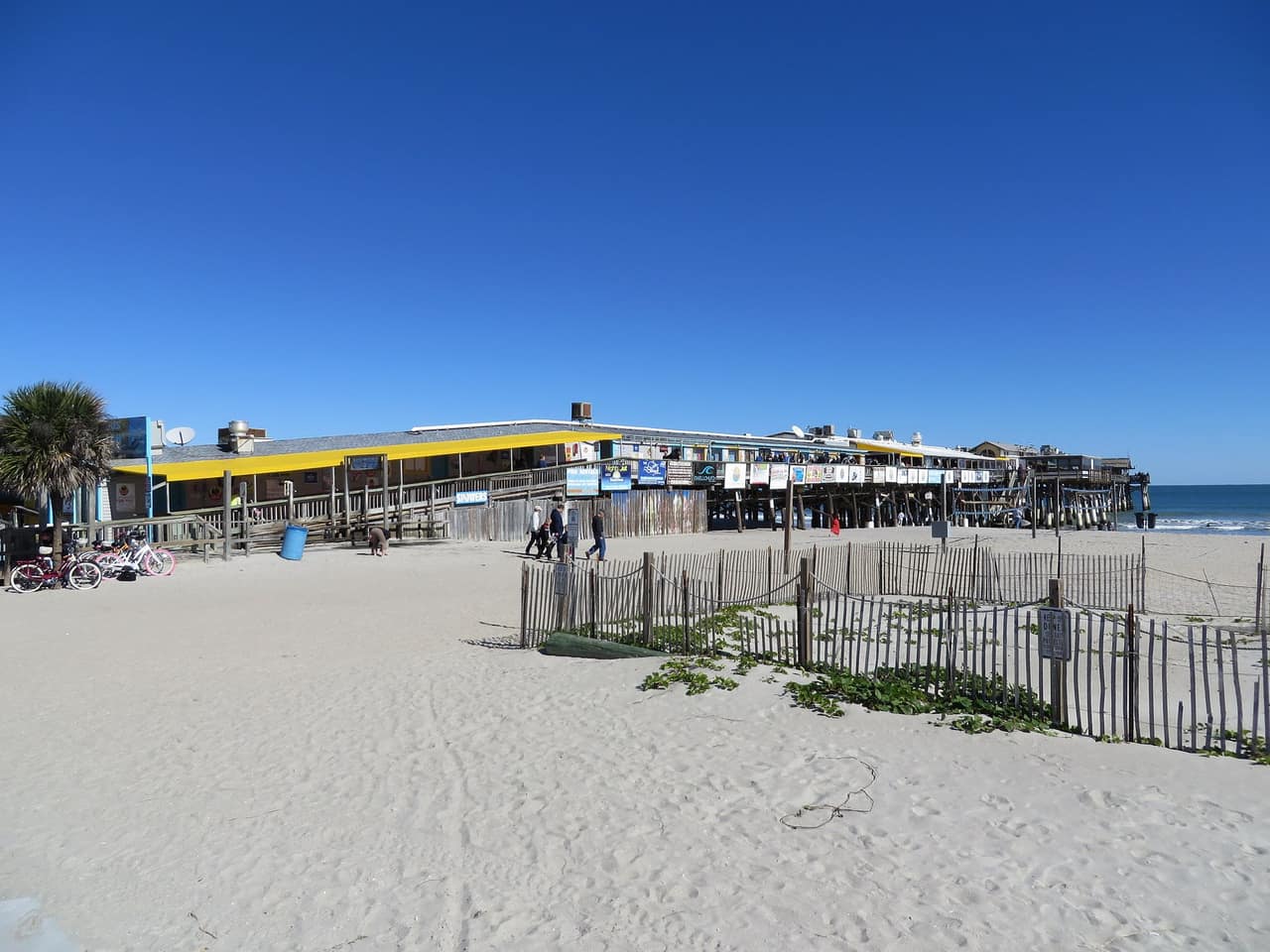
The default answer, about an hour on the Beachline. Wide sand, a long pier, surf schools and the closest thing Central Florida has to a beach town culture.
Parking is the thing to plan. Street parking runs roughly $2.50 to $5.00 an hour depending on where you stop, and permit rules shift between seasons. But Cocoa Beach also has free options: Robert P. Murkshe Memorial Park has free parking, restrooms, outdoor showers and picnic tables, and several other city beach access parks are free too. Check the City of Cocoa Beach parking page the week you travel.
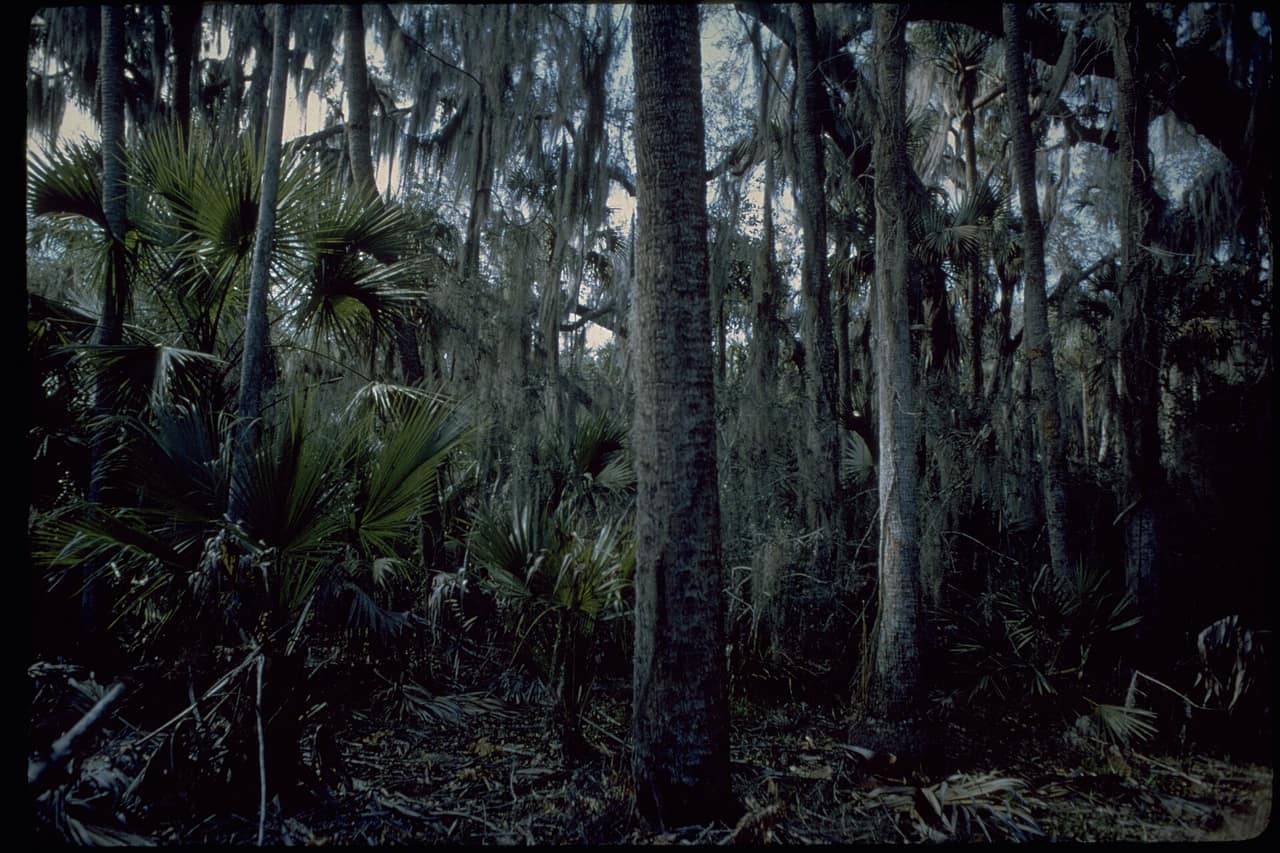
The best beach within two hours of Orlando, and the most expensive to enter on a single visit. $25 per vehicle, valid seven consecutive days for up to four people, with motorcycles at $20 and pedestrians and cyclists at $15. The America the Beautiful annual pass covers it.
What you get for that is twenty-four miles of undeveloped barrier island with no hotels, no condos and no concessions. It is what the whole coast looked like before it was built on. Bring water and food, because there is nowhere to buy either.
The park closes to new arrivals when its lots fill, which on a Saturday in spring can be by mid-morning. It also has closure days around rocket launches from the adjacent Kennedy Space Center.
An hour and a quarter north east, with a serious surf reputation and a walkable town. Beachfront lot parking is $20 a day or free with an NSB parking permit.
Driving on the sand here needs a separate Park Volusia beach driving pass, roughly $30 a day or $150 a year, and it is the same pass used at Daytona. Beach driving closes at high tide, in soft sand and during sea turtle nesting restrictions, so buying the pass does not guarantee you get on.
New Smyrna also has the highest concentration of shark bites in the world by some counts, which sounds alarming and mostly means minor bites on surfers in murky inlet water. It is worth knowing and not worth cancelling over.
An hour north east, hard-packed sand you can drive on with the same Volusia pass, and the racing history. Busier, louder and more commercial than New Smyrna. Best if the beach is a backdrop to something else you are doing rather than the point.
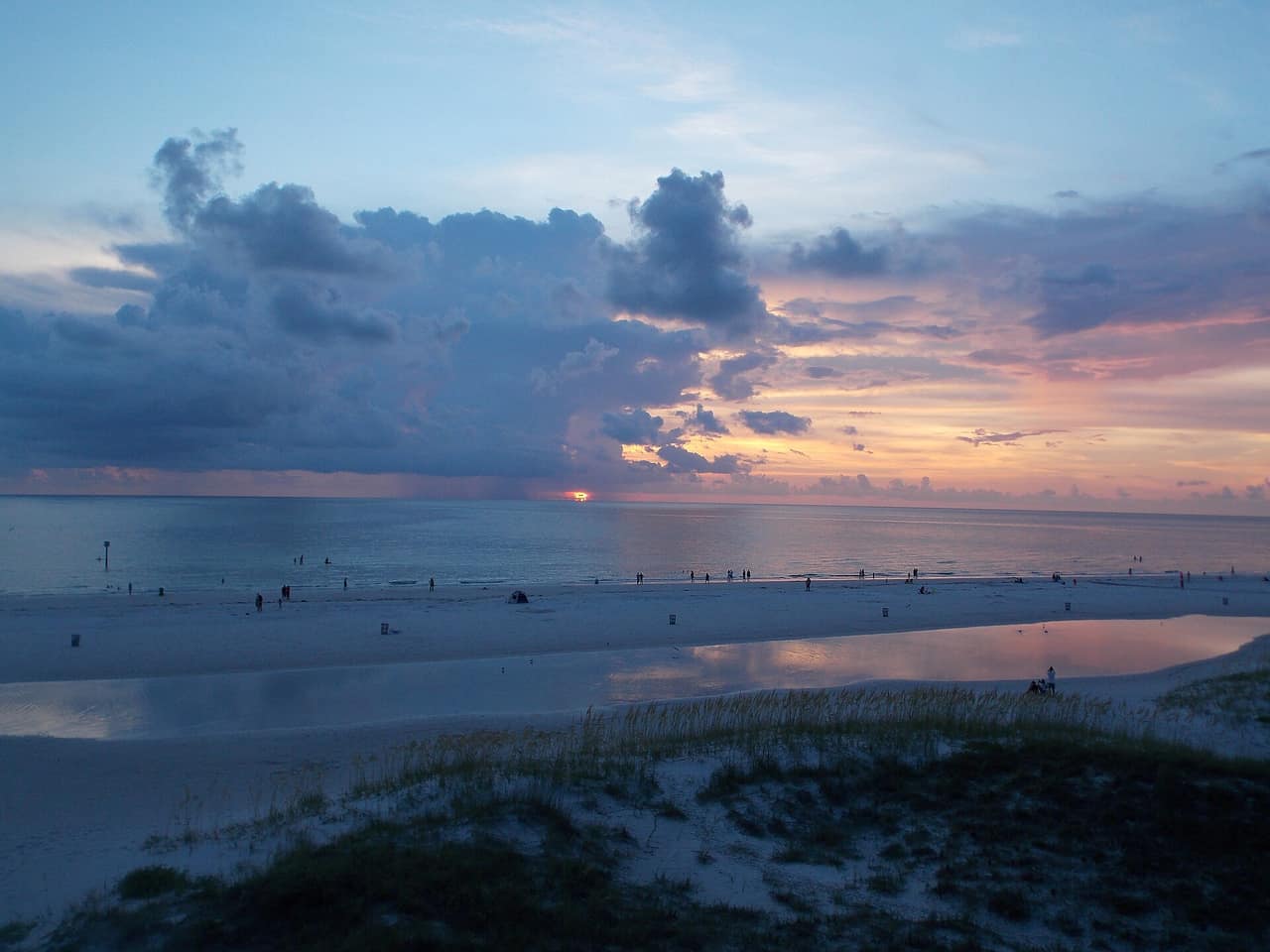
Two hours west, and the most-recommended Gulf beach for Orlando visitors for good reason: broad white sand, calm shallow water and a full resort infrastructure.
City lots run about $5 an hour on weekdays and $5.50 at weekends and holidays, and Sunset Beach street parking is a little higher. Sand Key Park, just south across the bridge, charges around $6 for the day at automated pay stations and is quieter, which makes it the better value by a wide margin.
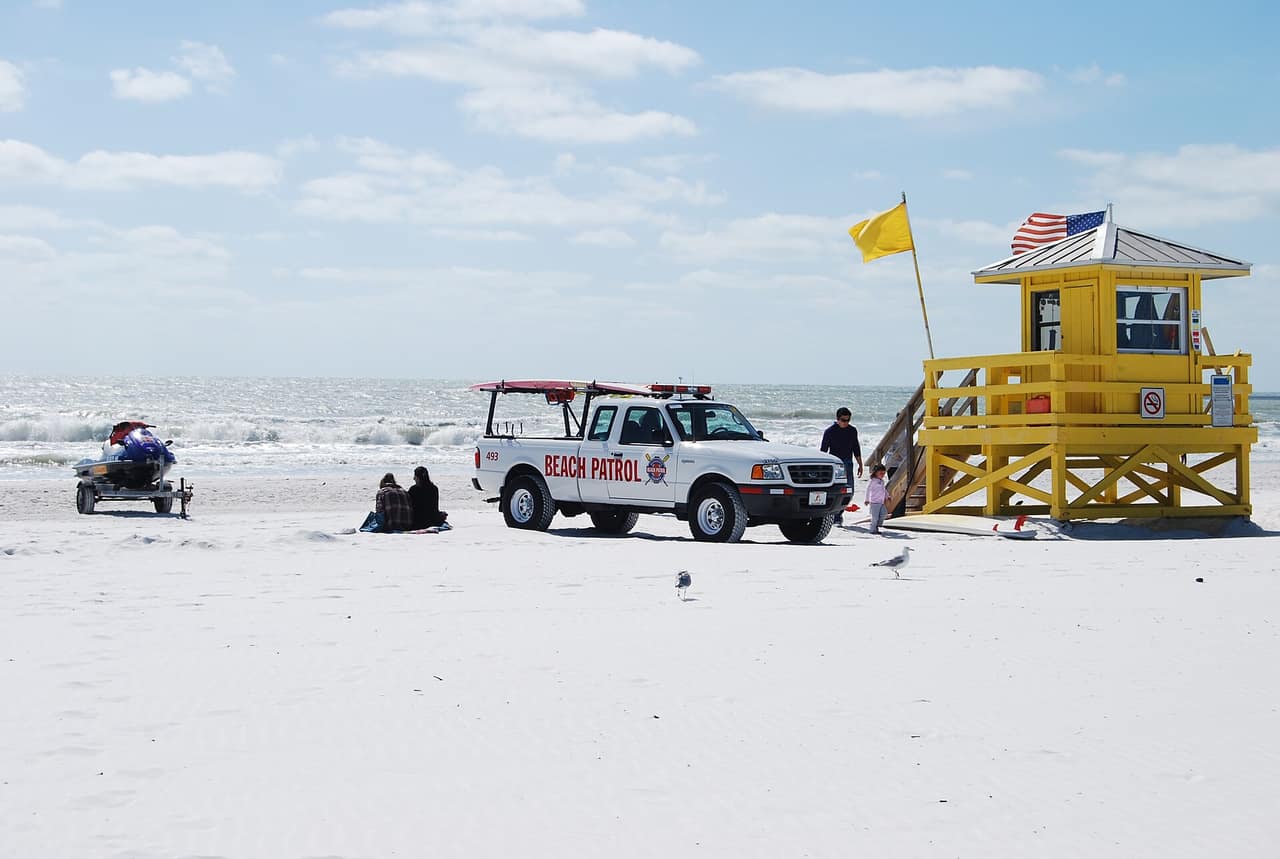
Two and a half hours, near Sarasota, and the sand is the reason. It is close to pure quartz, which is why it stays cool underfoot in August when every other beach is unwalkable at midday. The public beach has a large free county car park that fills early.
Two hours, quieter than Clearwater with a similar coastline and a better ratio of sand to development. A reasonable substitute when Clearwater's parking situation looks unappealing.
Three things, and two of them are checkable in advance.
The leading cause of surf-zone rescues and deaths on Florida beaches, and far more common on the Atlantic side. The rule is the same everywhere: do not swim against it. Float, let it carry you until it weakens, then swim parallel to shore before coming in. Check the flag at the lifeguard stand, and pay attention when it is red.
A bloom of Karenia brevis that kills fish and produces an aerosol that irritates eyes and airways on the beach itself. It is overwhelmingly a Gulf coast phenomenon, so it matters for Clearwater and Siesta Key and rarely for Cocoa Beach.
It is entirely checkable before you drive. The FWC red tide status map shows current concentrations by area, and Mote Marine Laboratory's Beach Conditions Reporting System publishes same-day reports from individual beaches covering dead fish, water colour, respiratory irritation and rip current status. Checking both takes two minutes and can save a four-hour round trip.
Central Florida in summer produces a near-daily convective storm, usually mid-afternoon. It is not a reason to cancel; it is a reason to be at the beach by nine and to have a plan for two o'clock.
Going further down the Gulf? Naples sits three hours south west of Orlando and trades the resort strip for a quieter town with a pier and a botanical garden. Our guide to Naples covers what is worth the extra hour, and the Fort Lauderdale beaches guide covers the Atlantic coast three hours south, including the month when the city bans coolers on the sand.
| Beach | Drive from Orlando | Parking |
|---|---|---|
| Cocoa Beach | ~1 hour | $2.50 to $5.00 per hour; free at some access parks |
| New Smyrna Beach | ~1h 15m | $20 per day beachfront; beach driving pass extra |
| Daytona Beach | ~1 hour | Metered and lot parking; beach driving pass extra |
| Canaveral National Seashore | ~1h 15m | $25 per vehicle for 7 days |
| Clearwater Beach | ~2 hours | ~$5 to $5.50 per hour |
| Sand Key Park | ~2 hours | ~$6 per day |
| St. Pete Beach | ~2 hours | Metered, varies by block |
| Siesta Key | ~2h 30m | Free county lot, fills early |
Rates are municipal and change by council vote, often between seasons. Treat this table as the shape of the market rather than as today's price, and check the relevant city or county page before you travel.
Pick the coast on the length of your trip, not on the photographs. One day means the Atlantic and probably Cocoa Beach, where you should find the free access parks before defaulting to a meter. Two nights or more justifies the Gulf, and Sand Key rather than Clearwater proper will save you money and crowding for a five-minute drive.
Then, if you are going west, open the FWC red tide map before you load the car. It is the one check that can turn a good plan into a bad day and it takes almost no time.
Cocoa Beach, at roughly an hour's drive east on the Beachline Expressway. New Smyrna Beach is a similar distance north east. Everything on the Gulf side is at least two hours.
Yes. Robert P. Murkshe Memorial Park in Cocoa Beach has free parking with restrooms, outdoor showers and picnic areas. Several other Brevard County beach accesses are also free, which is the main reason to choose the Space Coast over Volusia or Pinellas.
Street parking runs roughly $2.50 to $5.00 an hour depending on the block and the season. Free options exist at some city beach access parks. Check the City of Cocoa Beach parking page before you go, since permit rules change season to season.
In Volusia County, yes, at Daytona Beach and New Smyrna Beach where conditions allow. It requires a Park Volusia beach driving pass, around $30 a day or $150 a year, and access is closed at high tide, in soft sand and during sea turtle nesting restrictions.
For a two-night trip, yes. For a day trip, it is a four-hour round drive plus parking at about $5 an hour. The Gulf water is calmer and warmer and the sand is finer, and those differences are real, but they cost you an extra two hours each way against Cocoa.
Red tide is a bloom of the alga Karenia brevis that kills fish and causes respiratory irritation on shore. It affects Florida's Gulf coast far more often than the Atlantic side, so it is a Clearwater and Sarasota concern rather than a Cocoa Beach one. Check the FWC status map and Mote Marine's beach conditions reports before a Gulf trip.
The Gulf is calmer, warmer and shallower, which suits small children. The Atlantic has surf, which suits everyone who wants waves. The Atlantic side also has stronger rip currents, and rip currents kill more people on Florida beaches than sharks, lightning and hurricanes combined.
The best-value restaurant list in Seoul is not the starred one. Here is how I choose where to eat, and the honest situation at the market everyone tells you to visit.
Three days is the right length for Rome and the tickets are where people lose money. Two official sites, two mandatory fees, and a route that avoids crossing the city twice.
Seoul had a record 10.71 million visitors in the first half of 2026, and the city answered with rules that carry fines. Here is what the sights cost, which days they close, and the neighbourhood where arriving at the wrong hour is a fineable offence.