
Destinations
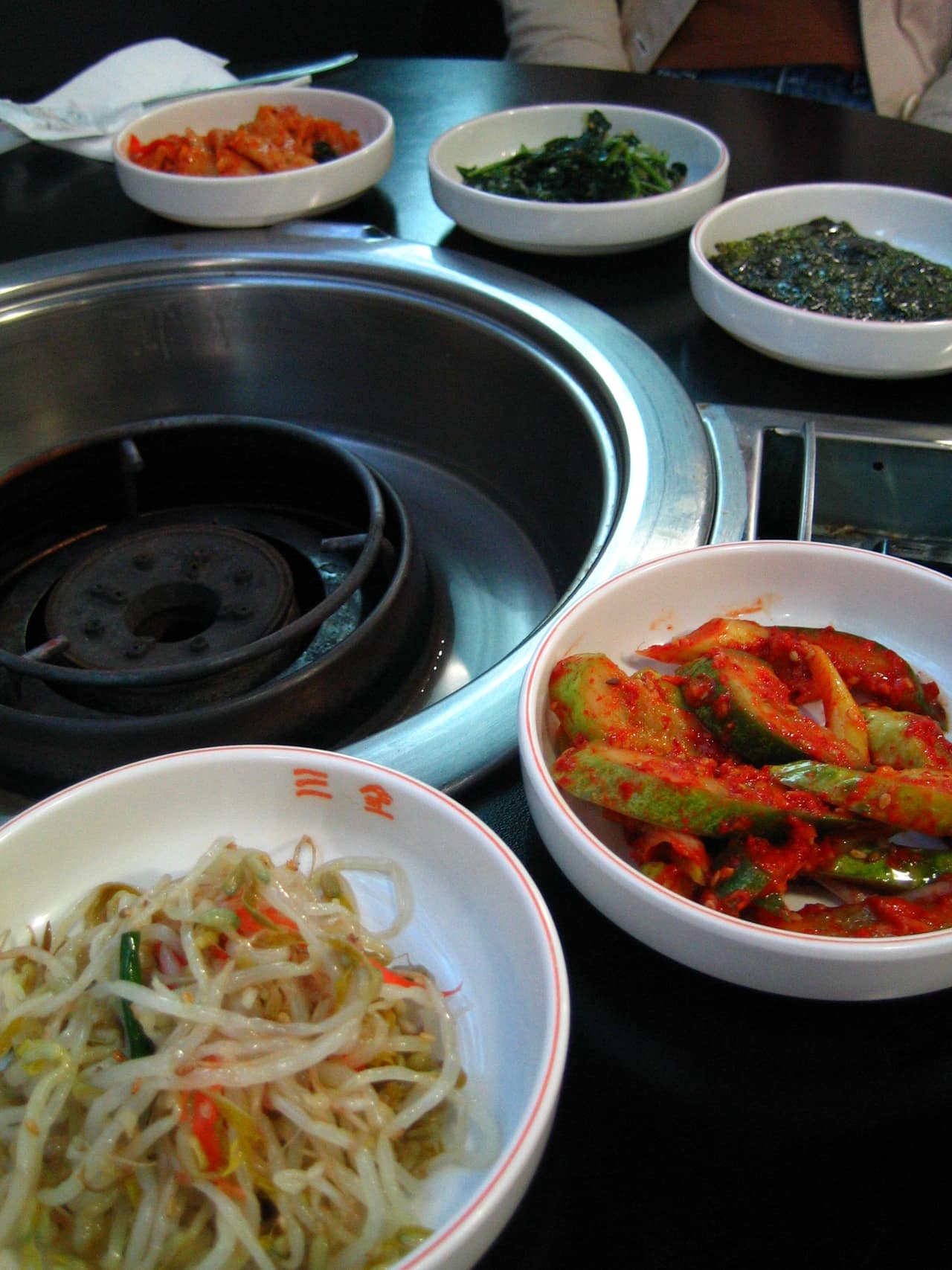
Where to Eat in Seoul: 71 Bib Gourmands Against 42 Stars
The best-value restaurant list in Seoul is not the starred one. Here is how I choose where to eat, and the honest situation at the market everyone tells you to visit.
The famous ones sit at the bottom of steep hairpin descents with small car parks. Timing the drive matters more here than choosing the beach.
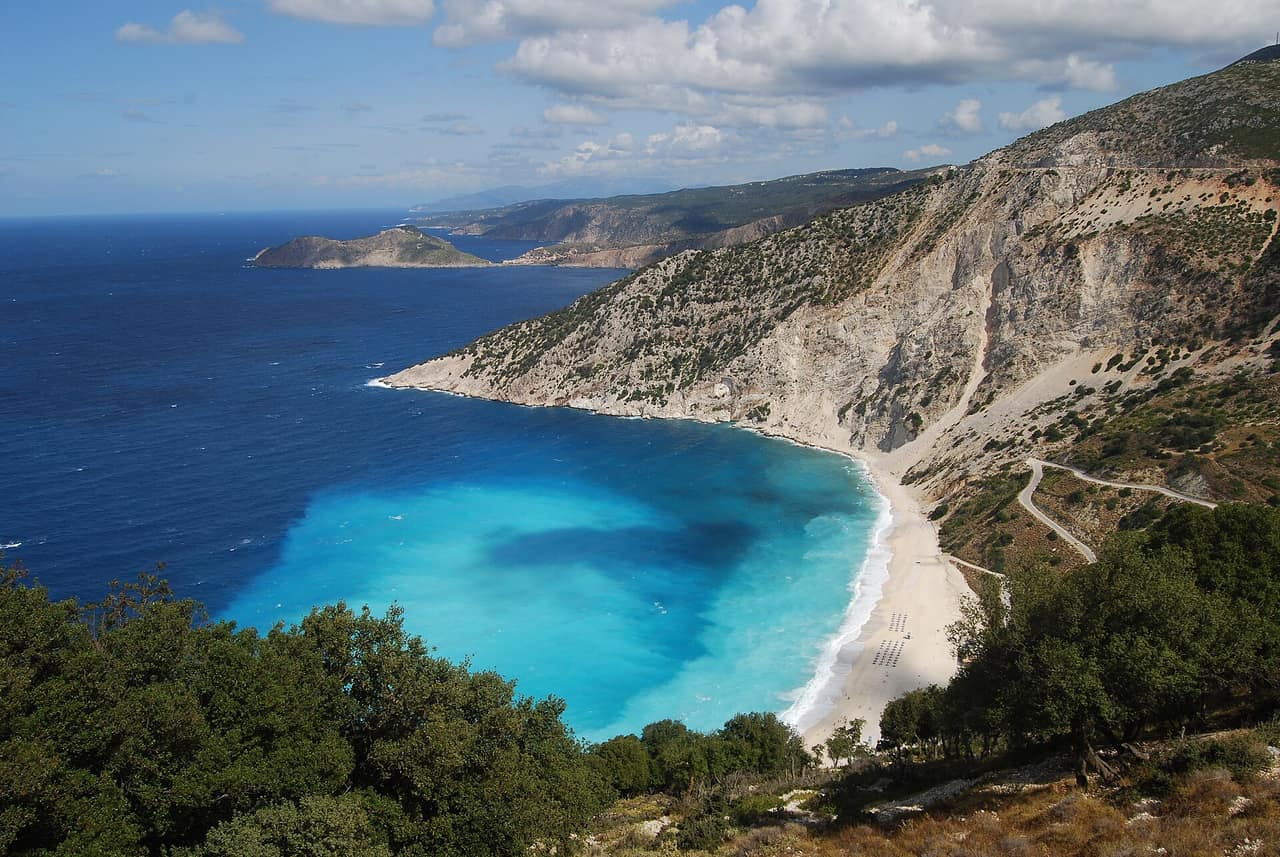
Kefalonia's best beaches share a problem: they sit at the bottom of steep descents with small car parks. Myrtos has around 100 free spaces and they fill between 10.30 and 11am in high season. After that, people park along the hairpin bends of the access road, which is as bad an idea as it sounds.
Timing the drive matters more here than choosing the beach. Get that right and this is one of the best beach islands in Greece.
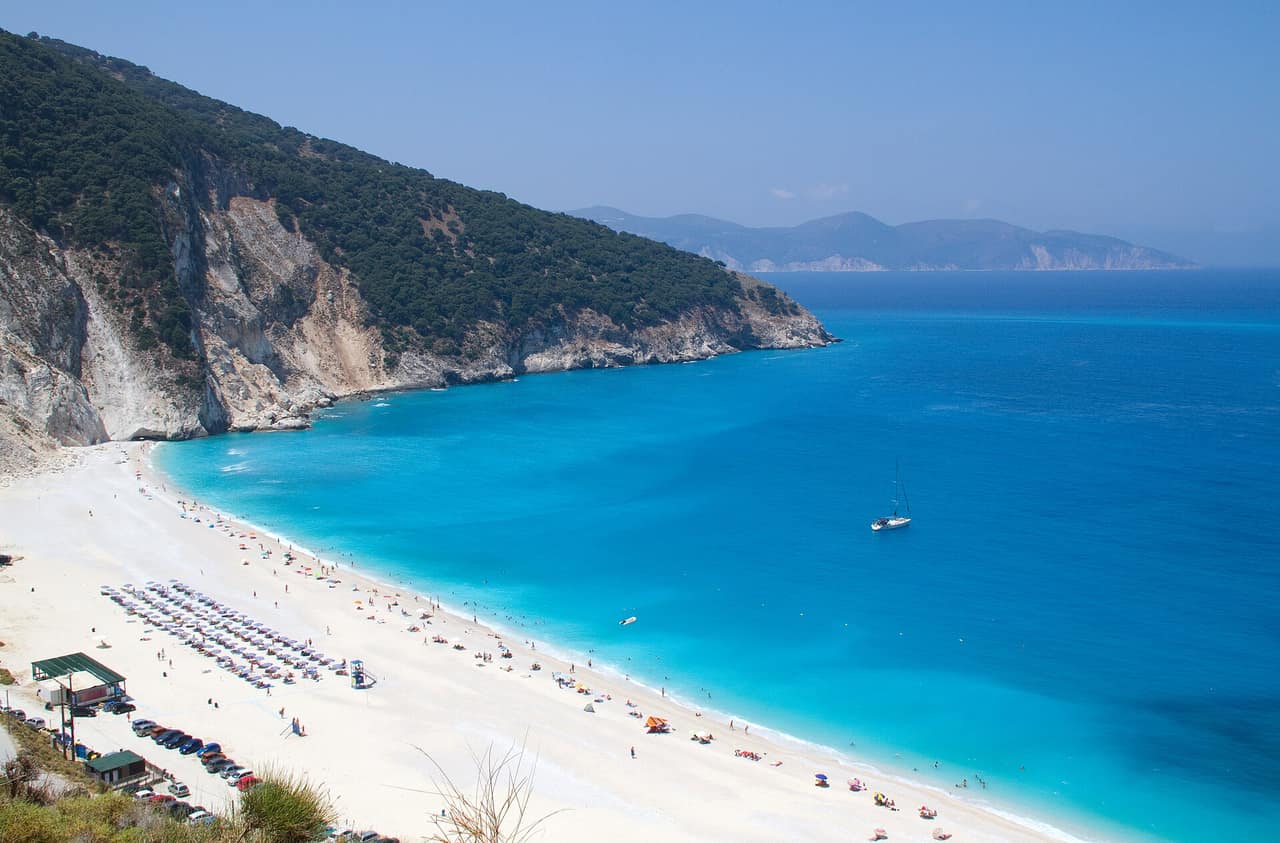
The photograph everyone has seen: a white crescent between two headlands on the north west coast, with water that shifts from turquoise to deep blue within a few metres of the shore.
Getting there. A fully asphalted but steeply switchbacked road down from the Divarata turning on the main north road. Drive it slowly. Coaches use it.
Swimming. This is the part guides skip. Myrtos shelves steeply into deep water, and the shore break can be powerful. It is a spectacular beach and a demanding swim, and it is not the right beach for weak swimmers or small children.
Timing. Before 10am or after 4pm. The viewpoint on the road above is free, always open and gives you the famous shot without needing to park at all.
On the Paliki peninsula in the west, and the one people describe as Myrtos without the crowds. A similar white pebble crescent under cliffs, a Blue Flag beach, with sunbeds, showers and two tavernas at the back.
Sunbeds run about 10 to 15 euros for an umbrella and two loungers, at the higher end when they come with mattresses.
The drive out to Paliki is long from the main resort areas, which is exactly why it stays quieter.
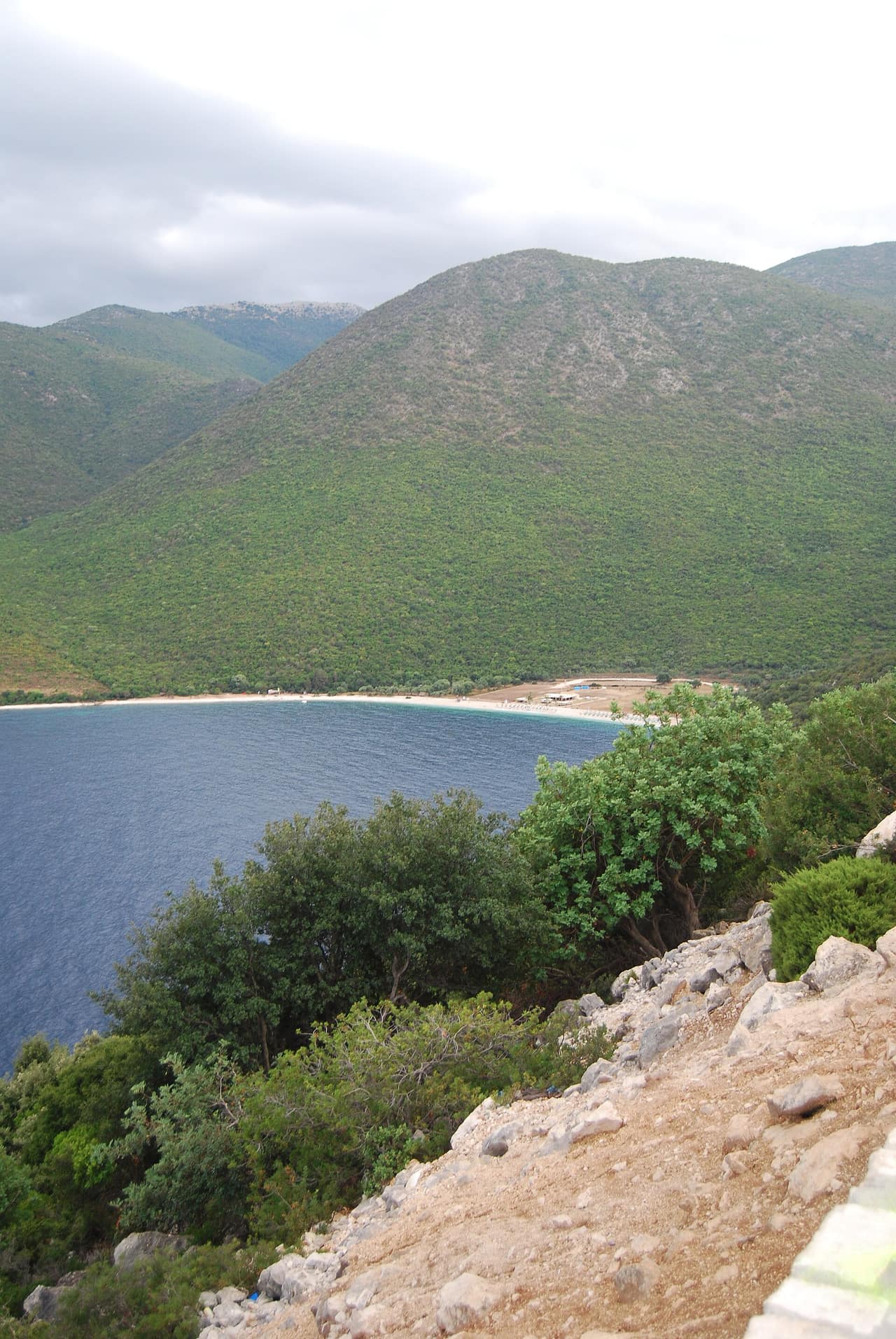
On the east coast near Sami, backed by wooded green hills rather than bare rock, which makes it look quite unlike the rest of the island. Blue Flag, well organised, with beach bars, sunbeds and watersports.
It was a filming location for Captain Corelli's Mandolin, which locals will tell you about and which explains part of the crowd.
Pebbles rather than sand, so water shoes help.
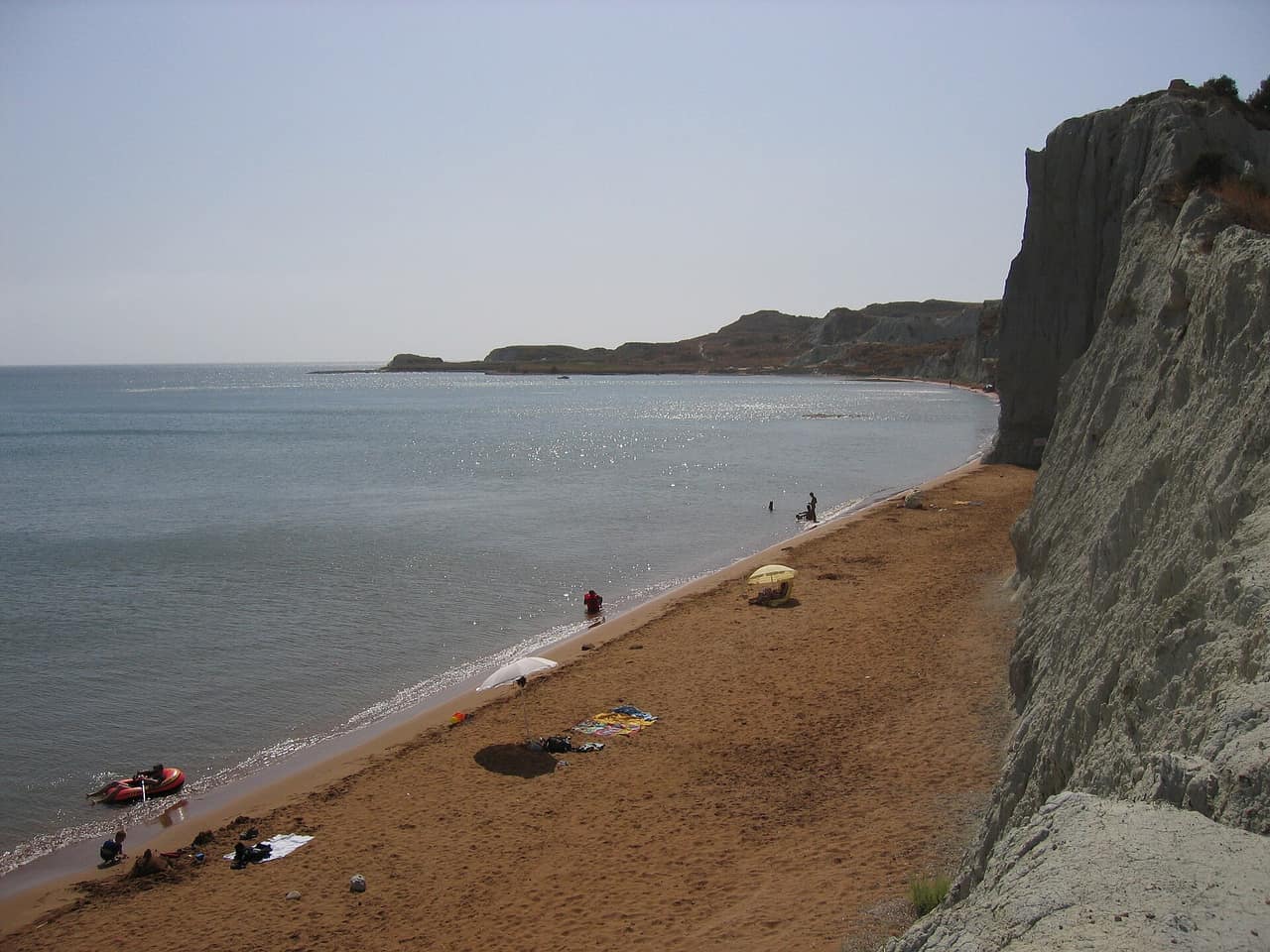
The odd one out and the most useful. On the south coast of Paliki, with reddish-orange sand rather than white pebbles, shallow water and a gentle shelf.
This is the children's beach on Kefalonia, and there is no close second. It also faces south, so it gets sun all day, and the white clay cliffs behind it are used as an improvised face mask by half the people on the sand.
On the south coast below the Mount Ainos massif, long and mostly sand, with tavernas along the back and a steep road down from the village. Less dramatic than Myrtos and considerably easier to spend a whole day at, which is a fair trade.
| Beach | Surface | Water entry | Best for |
|---|---|---|---|
| Myrtos | White pebble | Steep, deep fast | Photographs, strong swimmers |
| Petani | White pebble | Moderate | Myrtos without the coaches |
| Antisamos | Pebble | Moderate | Facilities and watersports |
| Xi | Red sand | Shallow, gradual | Families with small children |
| Lourdas | Sand and shingle | Gentle | A full lazy day |
You need a car. Kefalonia is large and mountainous, buses are infrequent, and every beach here is a drive. Book the hire car when you book the flights for July and August.
Take water shoes. Most of the island's famous beaches are pebble, and the pebbles at Myrtos are large and smooth and difficult to walk on barefoot.
There is little shade. Sunbeds are the shade at organised beaches. At Myrtos and other unorganised stretches there is none at all.
Lifeguards are not a given. Provision varies by beach and by season. Treat every beach as unsupervised unless you can see otherwise.
The mountain roads are narrow, steeply cambered and shared with tour coaches. Take the smallest car that fits your group rather than the largest you can afford, use first and second gear on the descents rather than the brakes, and give way early on blind bends. Most incidents involving visitors happen on the descents to exactly these beaches.
| Month | Sea | Crowds | Notes |
|---|---|---|---|
| May to June | Warming, still fresh in May | Light | The island is still green, and the beaches have space |
| July to August | Warm | Peak, car parks full by 11am | Book everything ahead |
| September | Warmest of the year | Falling fast | The single best month |
| October | Still swimmable early in the month | Very quiet | Many tavernas close mid-month |
| November to April | Cold, wet, most of the island shut | None | Not a beach season |
September is the answer if you can choose it. The sea has had all summer to warm up and the coaches have gone.
Comparing Mediterranean islands? Malta's Blue Lagoon now runs on a booked, capped entry system with three time slots a day. Our Blue Lagoon guide explains how that works and what the ferry costs, if you are weighing the two.
Book the car. Then plan Myrtos for the first thing in the morning on a day you are prepared to get up for, and treat every other beach as flexible.
If you have children under about eight, make Xi your base beach and treat Myrtos as a viewpoint stop rather than a swim. That single reallocation makes a Kefalonia family holiday work.
Yes, a free car park with around 100 spaces directly at the beach. It fills between 10.30 and 11am in high season, after which people park along the hairpins of the access road, which is unpleasant and in places unsafe.
It is fully asphalted but consists of tight hairpin bends on a steep gradient with a significant drop. Driven slowly it is fine. Meeting a coach coming the other way on a bend is the part that concentrates the mind.
Yes, but with care. The beach shelves steeply into deep water and the shore break can be strong. It is a poor choice for weak swimmers and small children, and there is no lifeguard for much of the season.
Around 10 to 15 euros for an umbrella and two loungers at organised beaches like Petani and Antisamos, varying by beach and by season. Some sets include mattresses at the higher end of that range.
Xi Beach on the Paliki peninsula. It shelves gently, the sand is soft, it faces south and it is one of the few genuinely shallow beaches on the island. Lourdas is the next best.
Antisamos and Petani are among the Kefalonia beaches carrying the Blue Flag award, which certifies water quality, safety provision and environmental management rather than beauty.
Effectively yes. The island is large and mountainous, bus services are limited and infrequent, and every beach on this list is a drive. Book the car before you book the flight in July and August.
The best-value restaurant list in Seoul is not the starred one. Here is how I choose where to eat, and the honest situation at the market everyone tells you to visit.
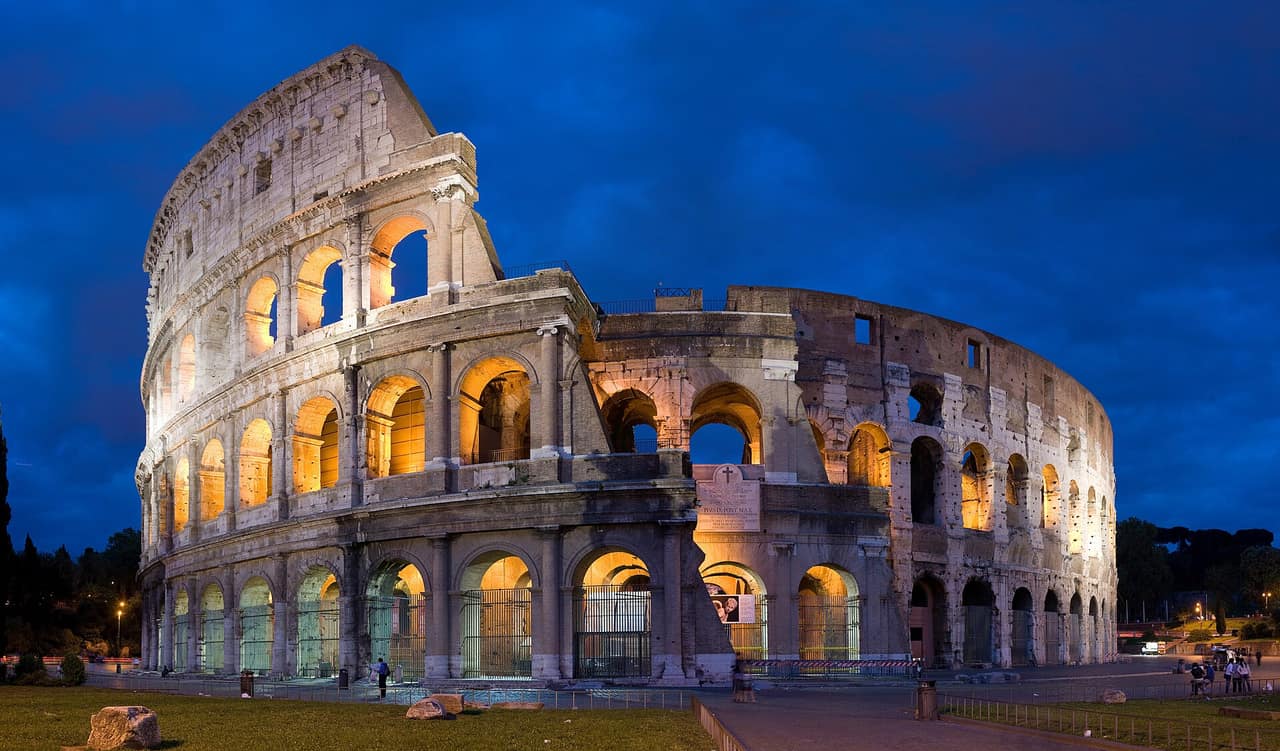
Three days is the right length for Rome and the tickets are where people lose money. Two official sites, two mandatory fees, and a route that avoids crossing the city twice.
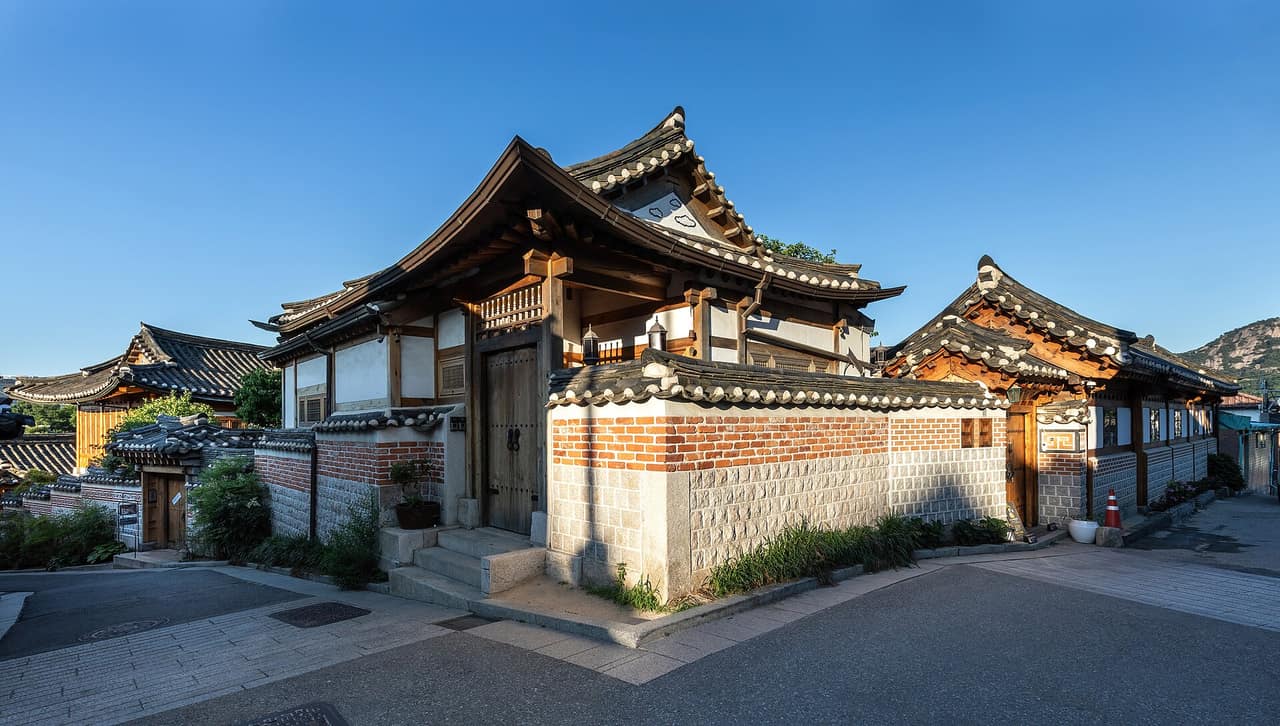
Seoul had a record 10.71 million visitors in the first half of 2026, and the city answered with rules that carry fines. Here is what the sights cost, which days they close, and the neighbourhood where arriving at the wrong hour is a fineable offence.