
Destinations
Where to Eat in Seoul: 71 Bib Gourmands Against 42 Stars
The best-value restaurant list in Seoul is not the starred one. Here is how I choose where to eat, and the honest situation at the market everyone tells you to visit.
The free-entry national park charges for parking, the state parks charge for nothing, and the music sites are the expensive part. Here is the real cost structure of a Tennessee trip.
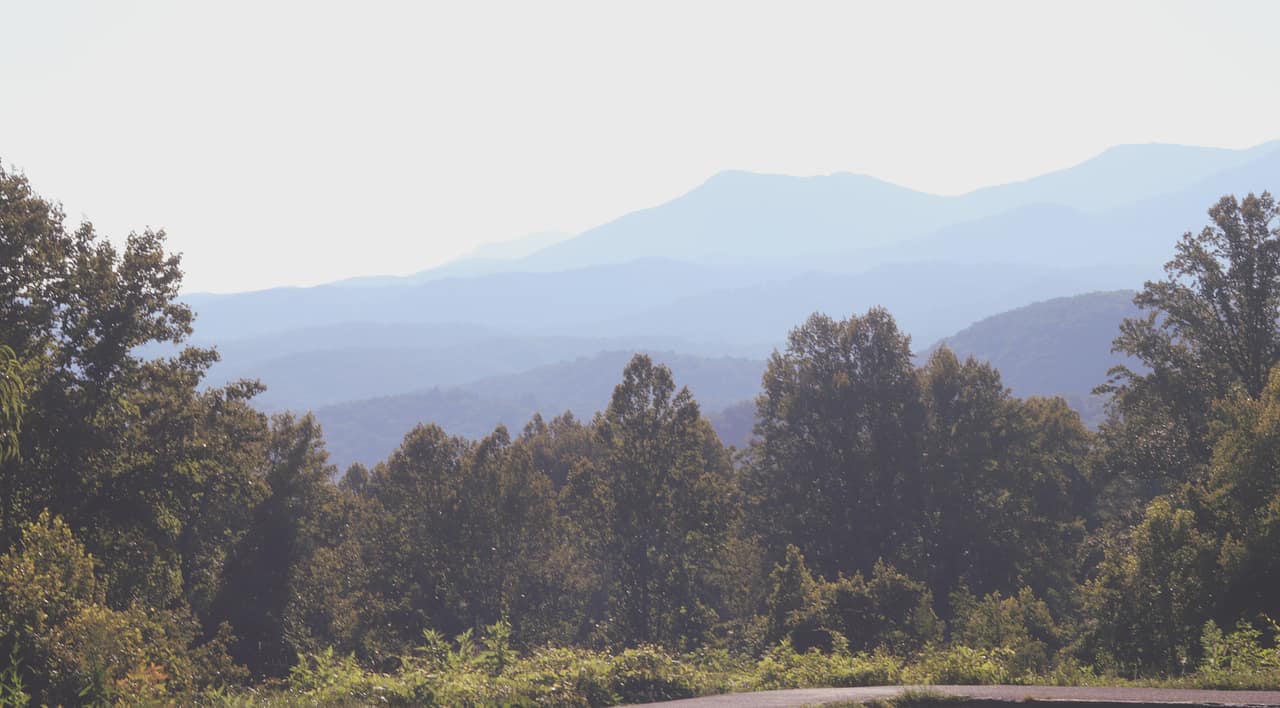
Tennessee's cost structure is upside down from what most visitors expect. The national park that takes more visits than any other in the country is free to enter and charges you to park. The 57 state parks charge for neither. The expensive part of a Tennessee trip is the music.
Great Smoky Mountains National Park recorded 11,527,939 visits in 2025, more than any other national park, with no entrance fee. Since March 2023 it has charged for parking instead: $5 a day, $15 a week, $40 a year.
This is not an accounting quirk, it is a legal one. When Newfound Gap Road was transferred to the federal government, the agreement barred the park from charging a toll or licence fee for travelling it. That is why the Smokies are one of the few large national parks with no gate fee at all.
The park still has to fund itself, and 11.5 million visits produce wear. Park It Forward, launched in March 2023, is the workaround: you pay to park rather than to enter.
| Parking tag | Price | Valid until |
|---|---|---|
| Daily | $5 | 11:59pm on the day of purchase |
| Weekly | $15 | 11:59pm seven days after the start date |
| Annual | $40 | One year from purchase |
Two details worth knowing. A tag is required for stopping longer than 15 minutes anywhere in the park, including trailheads, so a hike always needs one while a photo stop at an overlook does not. And the America the Beautiful federal pass does not cover it, because it is a parking fee rather than an entrance fee. Buy tags online from the National Park Service or at visitor centres and a number of local retailers.
Mid-October is the single most congested period of the year, when leaf colour peaks and Cades Cove Loop Road can take hours to drive. If you want the mountains without the queue, come in late April or early May, or drive Cades Cove at dawn.
Tennessee runs the largest free state park system in the United States. No entrance fee, no parking fee, at any of them. That makes the state unusually good value for an outdoor trip, and it is the reason the plateau parks are worth more of your itinerary than most visitors give them.
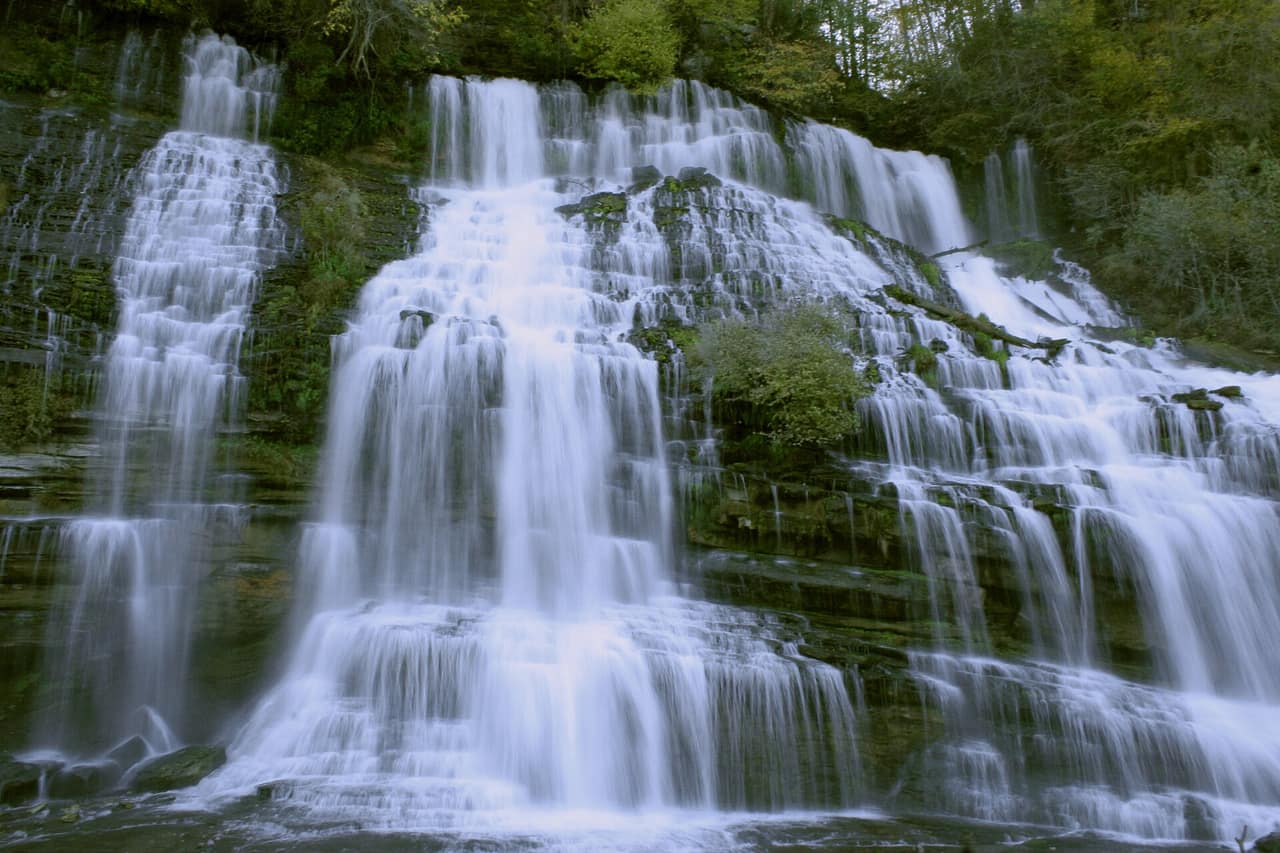
The exceptions to free are specific rather than general: a $7 gorge access permit at Cummins Falls, pool passes at parks with swimming pools, and camping and cabin fees. Everything else, including parking at trailheads, costs nothing.
Where to spend the time. South Cumberland for waterfalls and overlooks, Fall Creek Falls for the highest waterfall east of the Mississippi, Rock Island for the gorge, Roan Mountain for the rhododendron in June, and Radnor Lake for a quiet morning twenty minutes from downtown Nashville.
Our guide to swimming in Tennessee covers which of these you can actually get in the water at, including the permit system at Cummins Falls and why Rock Island's gorge closes at a utility's discretion.
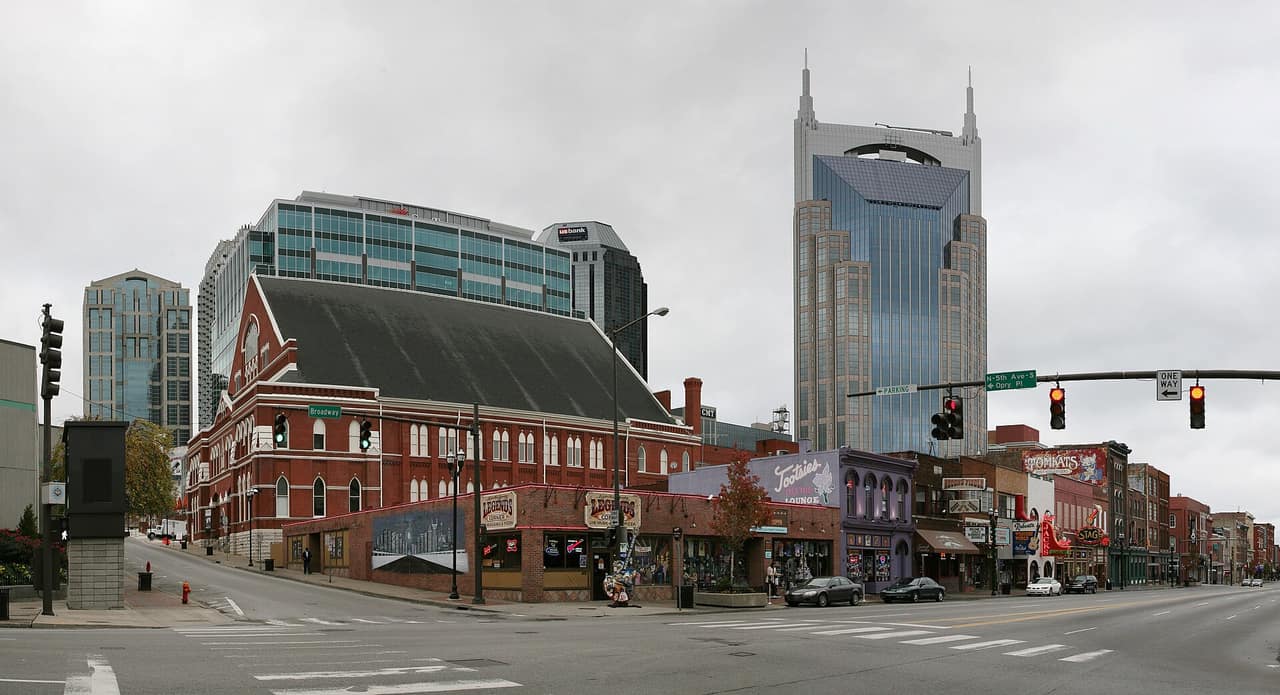
This is where a Tennessee budget actually goes.
Nashville. Lower Broadway's honky-tonks have no cover charge, which makes live music the cheapest thing in the city if you tip the band and buy a drink. The paid attractions are the Country Music Hall of Fame, the Ryman Auditorium tour and the Grand Ole Opry, and they are separate tickets at separate venues. The Ryman and the Opry are both worth doing if country music means anything to you, and neither is a substitute for the other.
Memphis. Graceland is the big-ticket item, sold in tiers from a mansion tour up to a full complex pass that includes the aircraft and the car collections. Sun Studio is cheaper, smaller and more affecting if you care about where rock and roll was recorded. Beale Street costs nothing to walk.
Chattanooga. The Tennessee Aquarium is the anchor, and the Incline Railway up Lookout Mountain is the thing people remember. Rock City and Ruby Falls are separately ticketed and heavily marketed; pick one.
Three distinct regional traditions, and they do not overlap much.
Memphis barbecue is pork, and the local argument is dry rub against wet sauce. Ribs at a dry-rub place is the version that tells you why the city is famous for it.
Nashville hot chicken is a specific dish with a specific history, cayenne-heavy paste brushed onto fried chicken and served on white bread with pickles. The heat levels are not decorative. Start one tier below where your pride suggests.
Whiskey comes from Lynchburg and Tullahoma. Jack Daniel's and George Dickel both run distillery tours, both charge, and both sit in dry or partially dry counties, which is a piece of Tennessee history worth having explained on site.
| Season | Mountains | Cities |
|---|---|---|
| March to May | Wildflowers, waterfalls at full flow, mild | Excellent, before the humidity |
| June to August | Hot, humid, hazy, busy | Hot. Music is indoors and air-conditioned |
| September to October | The best light of the year. Mid-October is packed | Ideal |
| November to February | Quiet, cold, some roads close on snow | Cheap, and the honky-tonks do not care what month it is |
Newfound Gap Road and Clingmans Dome Road close on winter weather, sometimes at short notice. Check the park's road status before committing to a mountain crossing between December and March.
Tennessee is about 440 miles wide, and visitors routinely underestimate that. Memphis to the Smokies is a full day behind the wheel.
The sensible shapes for a trip are: Nashville plus the plateau parks (Rock Island, Cummins Falls, Fall Creek Falls, all within two hours), Knoxville plus the Smokies, or Memphis on its own. Trying to do all three ends up as a driving holiday with attractions attached.
Decide whether your trip is mountains or music, because they are at opposite ends of the state. If it is mountains, buy the Smokies parking tag online before you arrive and build the rest of the days around free state parks, which will save more money than any other decision. If it is music, book the Opry or the Ryman first, since the dates constrain everything else, and treat Broadway as the free part.
No. There is no entrance fee, a condition tied to the transfer of Newfound Gap Road to the federal government. Since March 2023 the park does charge for parking under its Park It Forward programme: $5 daily, $15 weekly, $40 annual.
Only if you park for more than 15 minutes. Pulling over briefly at an overlook does not need a tag. Anything longer does, in any location inside the park, including trailheads.
Yes. All 57 charge no entrance fee, which makes it the largest free state park system in the country. Individual activities inside them can charge, such as the $7 gorge permit at Cummins Falls or a pool pass where there is a swimming pool.
September and October for the mountains, when the humidity drops and the colour arrives, though mid-October in the Smokies is the single busiest period of the year. April and May are the best combination of mild weather and thin crowds.
Nashville to Memphis is about three hours west. Nashville to Gatlinburg is about three and a half hours east. Tennessee is roughly 440 miles wide, so a trip covering all three is a lot of driving, not a day trip.
It depends entirely on your interest in Elvis Presley. It is the most expensive single attraction on most Tennessee itineraries, ticket tiers run from a mansion-only tour to a full complex pass, and the complex includes aircraft, car collections and multiple exhibition halls. Buy the tier that matches your appetite rather than the top one.
Memphis dry-rub barbecue, Nashville hot chicken and, on the Cumberland Plateau, country cooking built around cornbread and beans. Whiskey from Lynchburg and Tullahoma is the drink, and the distilleries run tours with a charge.
The best-value restaurant list in Seoul is not the starred one. Here is how I choose where to eat, and the honest situation at the market everyone tells you to visit.
Three days is the right length for Rome and the tickets are where people lose money. Two official sites, two mandatory fees, and a route that avoids crossing the city twice.
Seoul had a record 10.71 million visitors in the first half of 2026, and the city answered with rules that carry fines. Here is what the sights cost, which days they close, and the neighbourhood where arriving at the wrong hour is a fineable offence.