

Destinations
Where to Eat in Seoul: 71 Bib Gourmands Against 42 Stars
The best-value restaurant list in Seoul is not the starred one. Here is how I choose where to eat, and the honest situation at the market everyone tells you to visit.
Tennessee runs the largest state park system in the country with no entrance fee anywhere. Then it puts a $7 permit and a 200-a-day cap on its most famous swimming hole, for reasons worth understanding before you go.
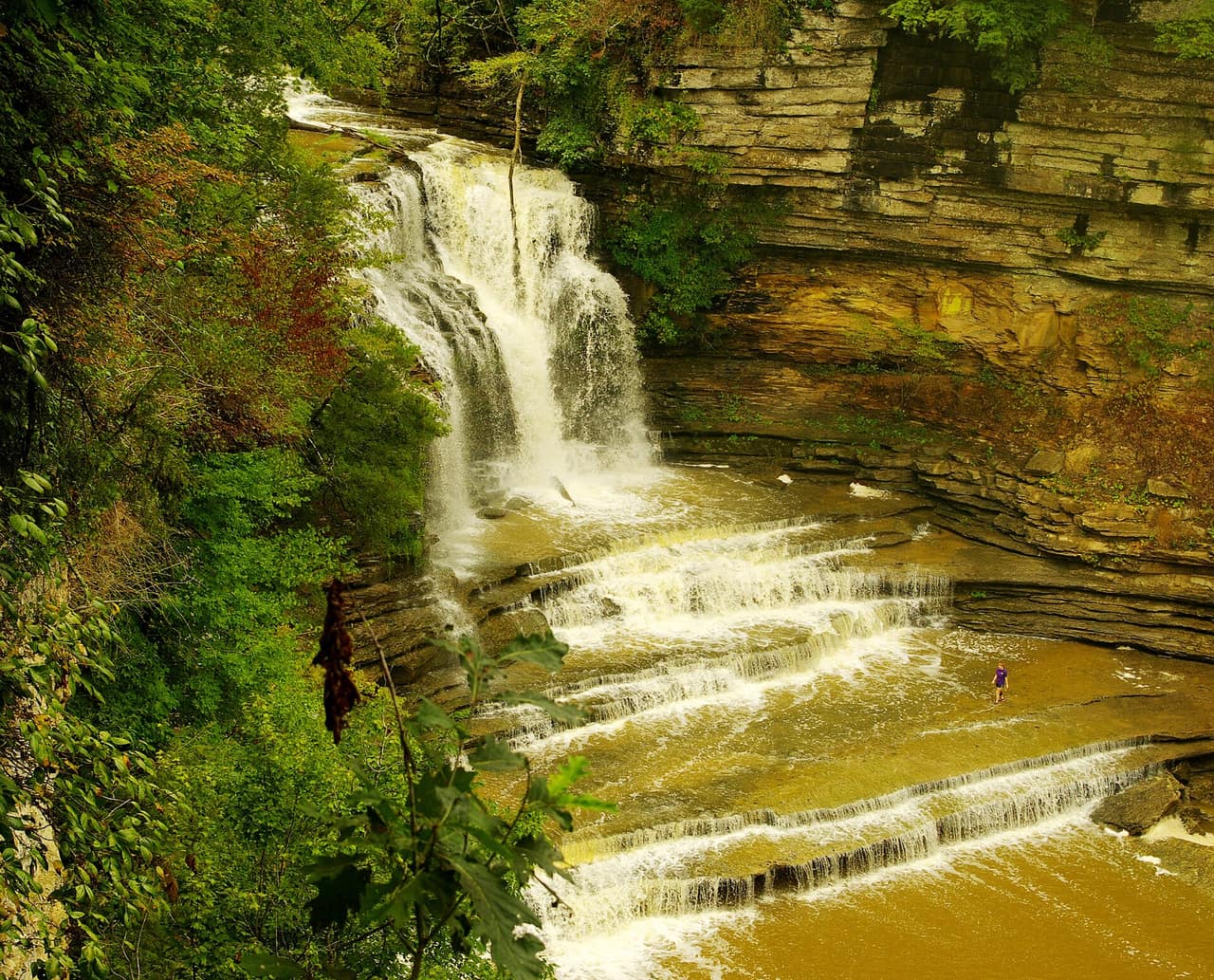
Tennessee runs 57 state parks and charges an entrance fee at none of them, which makes it the largest free state park system in the United States. Then it puts a $7 permit and a 200-person daily cap on the base of Cummins Falls, and lets a utility close the gorge at Rock Island without notice.
That combination is the useful thing to understand before planning a swimming trip here. The state is generous with access and specific about where it is not, and both of the places it restricts are restricted for reasons that have killed people.
Two of the seven best-known, and they work differently.
Cummins Falls sits on the Blackburn Fork State Scenic River near Cookeville. The waterfall drops about 75 feet into a broad plunge pool, and reaching that pool now requires a Gorge Access Permit, bought online in advance for $7 per person, with roughly 200 issued per day.
The overlook trail is free and needs no permit. It is the descent into the gorge that is controlled.
The reason is flash flooding. The Blackburn Fork drains a watershed upstream, and heavy rain miles away can raise the river in the gorge quickly enough that people at the base cannot get out. Three people died there between 2017 and 2019, including a two-year-old boy. The park now runs real-time rainfall and water-level monitoring on the watershed, and the permit cap exists so that when that monitoring shows a rise, rangers can actually clear the gorge in the time available.
Children 12 and under must be accompanied by an adult and must wear a life jacket at the falls and in the water. Children under five are not recommended in the gorge at all. The hike in involves multiple river crossings on slick limestone, so this is a genuine restriction rather than a formality.
Buy the permit through the Tennessee State Parks reservation system before you drive. On a hot Saturday, permits go.
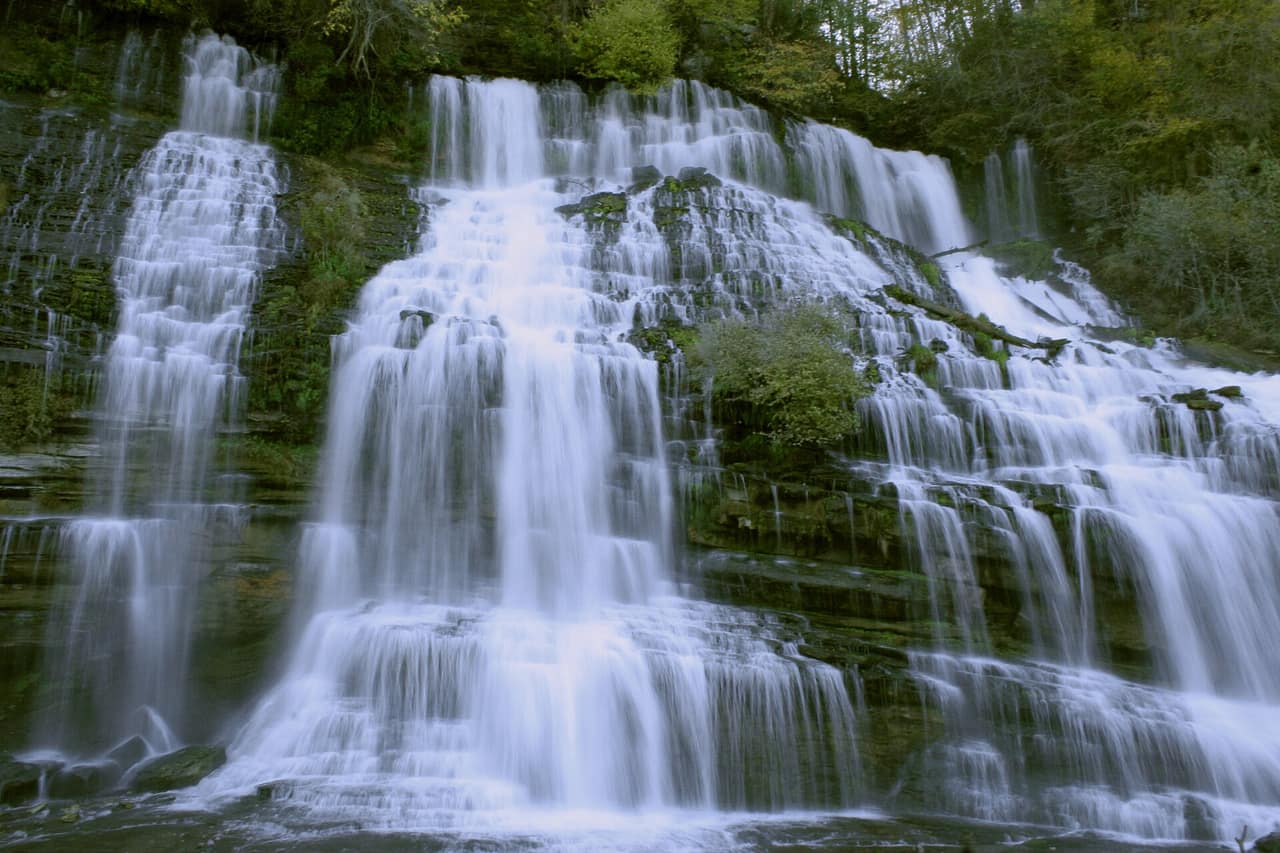
Rock Island has no permit. It has something less predictable: gorge access depends on approval based on TVA hourly water release predictions, and closures can happen without notice and last for varying lengths of time.
The Caney Fork gorge below the Great Falls Dam can go from a swimming hole to a hydro discharge channel in a short time. That is not a natural flood, it is a scheduled and unscheduled release from a dam, and it is why the park treats the gorge differently from the rest of its water.
The park's natural sand beach on the headwaters of Center Hill Lake is a separate area and is normal open-access swimming. If your plan is a beach day, that is the part of Rock Island to aim at. If your plan is the gorge, check the park's status the morning you travel.
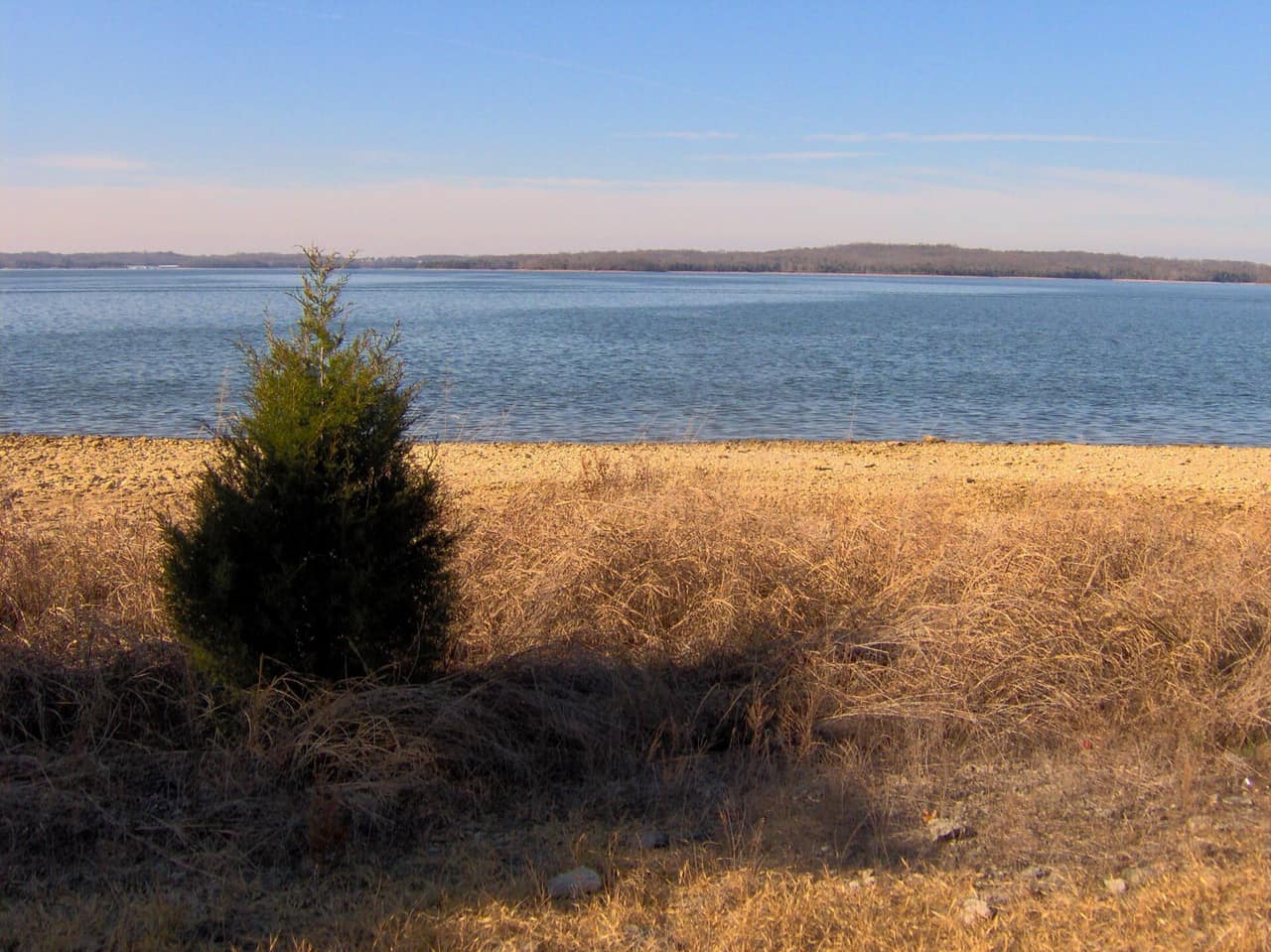
Five reliable options, all free, all seasonal.
J. Percy Priest Lake, on the Stones River east of Nashville. An Army Corps of Engineers reservoir with several designated swimming areas and the shortest drive from a major city of anything on this list. Day-use areas can charge for parking even though the lake itself is free.
Paris Landing State Park, on Kentucky Lake in the north west. Big water, a wide swim beach and a marina. This is the closest thing Tennessee has to a coastal beach day.
Big Ridge State Park, north of Knoxville on Norris Lake. A swim beach on a small, quiet lake with a dam-created shoreline and rental boats. Good for families precisely because it is small.
Old Hickory Lake, on the Cumberland north of Nashville. Corps of Engineers again, with several public swim areas and heavy boat traffic on summer weekends.
South Cumberland State Park, which is not a beach at all but a collection of swimming holes below waterfalls on the Cumberland Plateau. Foster Falls is the well-known one. Treat these as river swimming: cold, rocky, and dependent on recent rain.
Tennessee's parks are free to enter, and that shapes everything else. Because there is no gate revenue, most swim beaches are unstaffed and seasonal, with bathhouses that open around Memorial Day and close around Labor Day.
Making a longer trip of it? The same corridor of the Cumberland Plateau that produces these swimming holes carries most of what is worth doing in the state away from the cities. Our guide to things to do in Tennessee covers the parks, the music sites and the food, with what each actually costs.
June through early September for the lakes, which need time to warm. The waterfall swimming holes on the plateau run cold all year and are best in July and August when the air makes the cold water pleasant rather than punishing.
| Month | Lakes | Waterfall pools |
|---|---|---|
| April to May | Too cold for most, quiet | High flow, cold, often closed after rain |
| June | Warming, bathhouses open | Good, watch rainfall |
| July to August | Peak, warm and busy | Best window, hottest air |
| September | Still warm, crowds gone | Flow drops, some pools shrink |
| October onward | Bathhouses closed | Scenic rather than swimmable |
The variable that matters most on the plateau is not the calendar, it is rain in the previous 24 to 48 hours. A dry week makes Cummins Falls a swimming hole. A wet night upstream makes it a hazard, and the permit system exists precisely because that distinction is not visible from the car park.
If Cummins Falls is on the list, buy the permit before anything else, because that is the constraint. Check the forecast for the watershed rather than for the town, and take life jackets if anyone in the group is 12 or under, since they are required rather than advised.
If you want a swim with no logistics at all, drive to Percy Priest or Paris Landing instead. Free entry, designated beaches, no permit, no utility deciding your afternoon.
No. All 57 Tennessee state parks are free to enter, which makes it the largest free state park system in the country. Specific activities inside them can still carry a charge, including the Cummins Falls gorge permit and pool passes at parks with swimming pools.
$7 per person, bought online in advance. Around 200 permits are issued per day. The permit covers access to the base of the waterfall; the overlook trail does not require one.
Flash flooding. Three people died in the gorge between 2017 and 2019, including a two-year-old boy. The permit caps numbers so that the gorge can be cleared quickly when the park's rainfall and water-level monitoring shows a rise in the watershed upstream.
Children 12 and under must be accompanied by an adult and must wear a life jacket at the falls and in the water. Children under five are not recommended to enter the gorge at all.
No. Gorge access at Rock Island depends on TVA water release predictions rather than on a permit, and closures happen without notice and can last for an unpredictable stretch. The park's natural sand beach on Center Hill Lake is separate and is not subject to that.
Percy Priest Lake near Nashville, Paris Landing on Kentucky Lake, Big Ridge Lake, Old Hickory Lake and the sand beach at Rock Island all offer open-access swimming in season.
No. Tennessee is landlocked. Everything called a beach here is a lake or river swimming area, most of them on reservoirs built by the Tennessee Valley Authority or the Army Corps of Engineers.
The best-value restaurant list in Seoul is not the starred one. Here is how I choose where to eat, and the honest situation at the market everyone tells you to visit.
Three days is the right length for Rome and the tickets are where people lose money. Two official sites, two mandatory fees, and a route that avoids crossing the city twice.
Seoul had a record 10.71 million visitors in the first half of 2026, and the city answered with rules that carry fines. Here is what the sights cost, which days they close, and the neighbourhood where arriving at the wrong hour is a fineable offence.