
Destinations
Where to Eat in Seoul: 71 Bib Gourmands Against 42 Stars
The best-value restaurant list in Seoul is not the starred one. Here is how I choose where to eat, and the honest situation at the market everyone tells you to visit.
Everything about a day at Akchour comes down to one junction beside a small dam. Go right for the short walk, left for the long one, and know which you have chosen before you start.
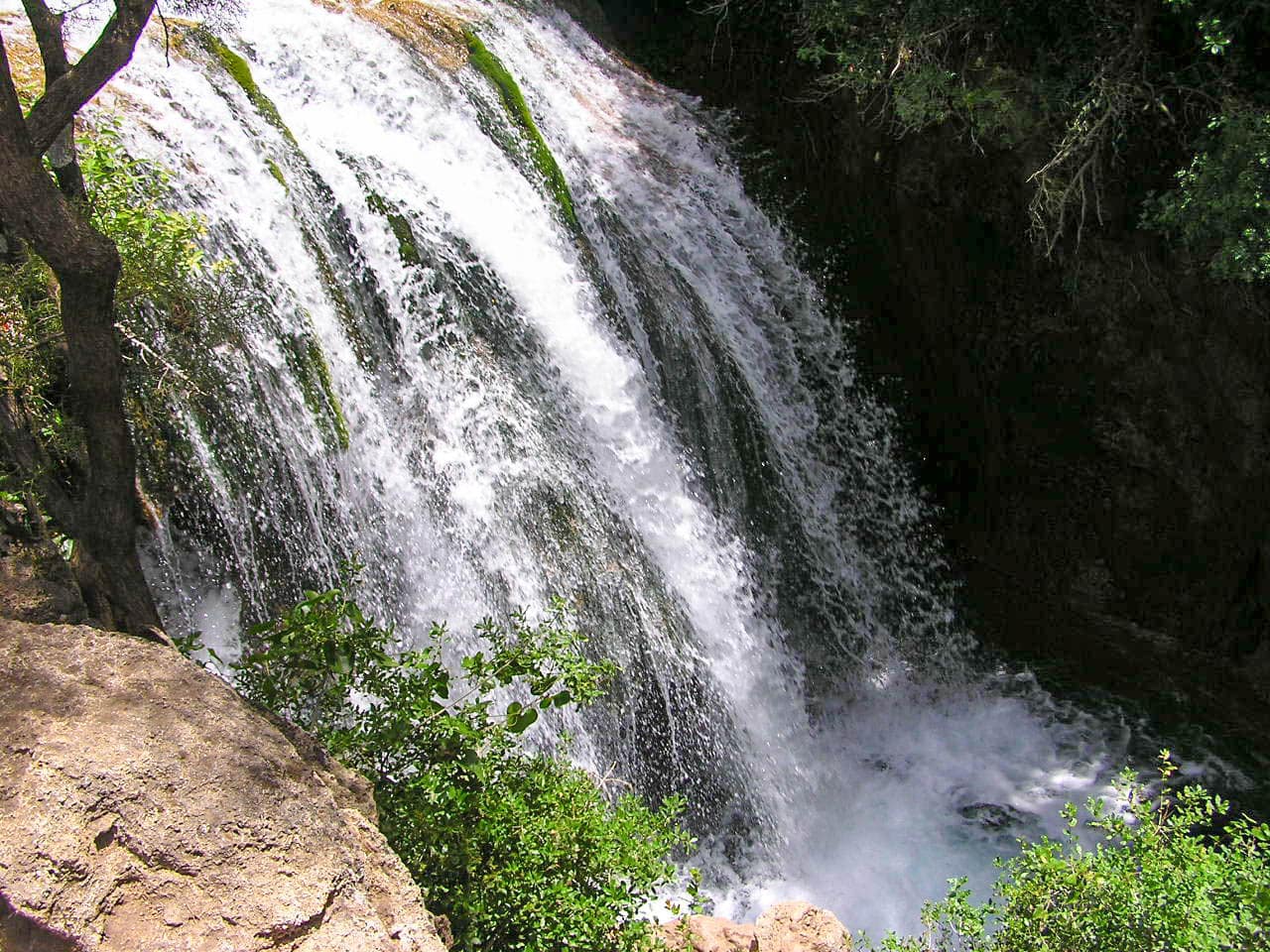
Everything about a day at Akchour comes down to one junction. A short walk in from the village brings you to a small dam where the path splits: right for God's Bridge, about 40 minutes each way; left for the Grand Cascade, about two hours each way.
Choose before you set off, because the two routes go in opposite directions and the difference is a two-hour walk against a nine-hour day if you get it wrong.
The park itself costs nothing. Talassemtane National Park has no entrance fee, no gate and no closing time, which makes this one of the cheapest good days out in northern Morocco: a shared taxi each way and whatever you spend on lunch.
Akchour village is 28km north east of Chefchaouen, in the Rif mountains.
The standard route is a shared grand taxi from the rank near Chefchaouen's bus station: 25 to 30 MAD per person, about 45 minutes on a winding mountain road. Grand taxis fill to six passengers and leave when full, so departures are most frequent before 8am and can involve a long wait later in the day.
If you would rather not wait, you can charter the whole taxi by paying for all six seats. Agree the return arrangement before you get in, because finding a taxi back from Akchour in the late afternoon is the part people get stuck on.
Either arrange a pickup time with your driver, or plan to be back at the village well before dark when shared taxis are still running. Akchour is a small village at the end of a mountain road, not a transport hub.
About 3km round trip, 90 minutes. An easy walk on a solid path with stepping stones across the river. Cafés and small restaurants line the first section, built on platforms over the water, and this is where most casual visitors stop.
Good for families and for anyone who wants the river and the setting without a serious hike.
About 8km round trip, four to five hours including time at the falls. More elevation, rockier ground, several river crossings. The path is obvious but it is a genuine hike rather than a stroll, and trainers with grip beat sandals by a wide margin.
The reward is a substantial waterfall dropping into a green pool you can swim in. The water is cold in every month.
About 40 minutes each way from the junction, on the right-hand path. A natural rock arch spanning the gorge high above the river, formed by water cutting through limestone.
Shorter than the cascade route but steeper in places. Doing both in one day comes to roughly 13 to 14km and around five hours of walking, which is a full but reasonable day if you start early.
The village has cafés at the start and a few stalls along the lower path. Beyond that, nothing.
Leave the drone at home unless you have checked current Moroccan rules, which have been restrictive on importing and flying them.
April to June is the answer. Snowmelt keeps the falls at full flow, and air temperature sits in a range that makes the walk comfortable and the swim bearable.
| Season | Flow | Walking | Notes |
|---|---|---|---|
| March to April | High, spectacular | Good, some slippery crossings | Water very cold |
| May to June | Strong | The best window | Warm enough to swim |
| July to August | Reduced | Hot and hard work | Busiest, and the pools shrink |
| September to October | Lower | Pleasant | Quiet, less dramatic falls |
| November to February | Variable, can be torrential | Wet, crossings can be impassable | Check conditions locally |
River crossings after heavy rain are the one genuine hazard here. If the river is up, the stepping stones disappear and the route becomes a different proposition. Ask in the village rather than pressing on.
Not a scenic backdrop but a UNESCO Biosphere Reserve, covering around 580 square kilometres of Rif mountain forest. It holds the last significant stands of Moroccan fir, along with cedar, oak and a substantial bird population.
That designation is worth knowing because it changes how you treat the place. Carry your rubbish out; there is no collection on the routes. Stay on the paths through the forest sections.
Building a northern Morocco trip? Akchour pairs naturally with two or three nights in Chefchaouen, which is a walking town in itself. If you are weighing a mountain trip against a beach one, our guide to Kefalonia's beaches covers the Mediterranean alternative at a similar latitude and season.
Get to the taxi rank in Chefchaouen before 8am. That single decision determines whether you spend twenty minutes waiting for a taxi to fill or an hour and a half, and it is what makes the Grand Cascade route comfortable rather than rushed.
Then decide at the dam. Right for a half-day and God's Bridge, left for the full day and the cascade. If you have the legs and the light, do God's Bridge first and the cascade after, since the bridge is better in morning shade and the pool is better once the sun is on it.
No. Talassemtane National Park has no entrance fee, no gate and no closing time. Your costs are transport, food and an optional guide.
Shared grand taxi from the rank near the bus station, about 25 to 30 MAD per person for the 28km, taking around 45 minutes. Taxis fill to six passengers and leave when full, so before 8am gives the most frequent departures. You can also charter the whole taxi for roughly six times the per-seat fare.
About two hours each way, roughly 8km round trip, with real elevation and rocky ground. Allow four to five hours including time at the falls. The smaller waterfall is a 3km round trip taking about 90 minutes.
About 40 minutes each way from the junction, on a steeper but shorter path. It is a natural rock arch high above the river and it is a different walk from the waterfall route.
Yes, and combined it comes to roughly 13 to 14km and around five hours of walking. Start early, and be realistic about the heat in summer.
No. The routes are marked and well used, and the main path is obvious. A local guide costs 100 to 200 MAD and is worth it if you want the geology and the plant life explained or if you are hiking outside the main season.
Yes, in the pools below the falls. The water comes off the Rif mountains and is cold year round. April to June is the best combination of full flow and warm enough air.
The best-value restaurant list in Seoul is not the starred one. Here is how I choose where to eat, and the honest situation at the market everyone tells you to visit.
Three days is the right length for Rome and the tickets are where people lose money. Two official sites, two mandatory fees, and a route that avoids crossing the city twice.
Seoul had a record 10.71 million visitors in the first half of 2026, and the city answered with rules that carry fines. Here is what the sights cost, which days they close, and the neighbourhood where arriving at the wrong hour is a fineable offence.