
Destinations
Where to Eat in Seoul: 71 Bib Gourmands Against 42 Stars
The best-value restaurant list in Seoul is not the starred one. Here is how I choose where to eat, and the honest situation at the market everyone tells you to visit.
One ticket decides the shape of a Peru trip. It is capped, timed, non-transferable and matched to your passport, and it sells out months ahead in high season.
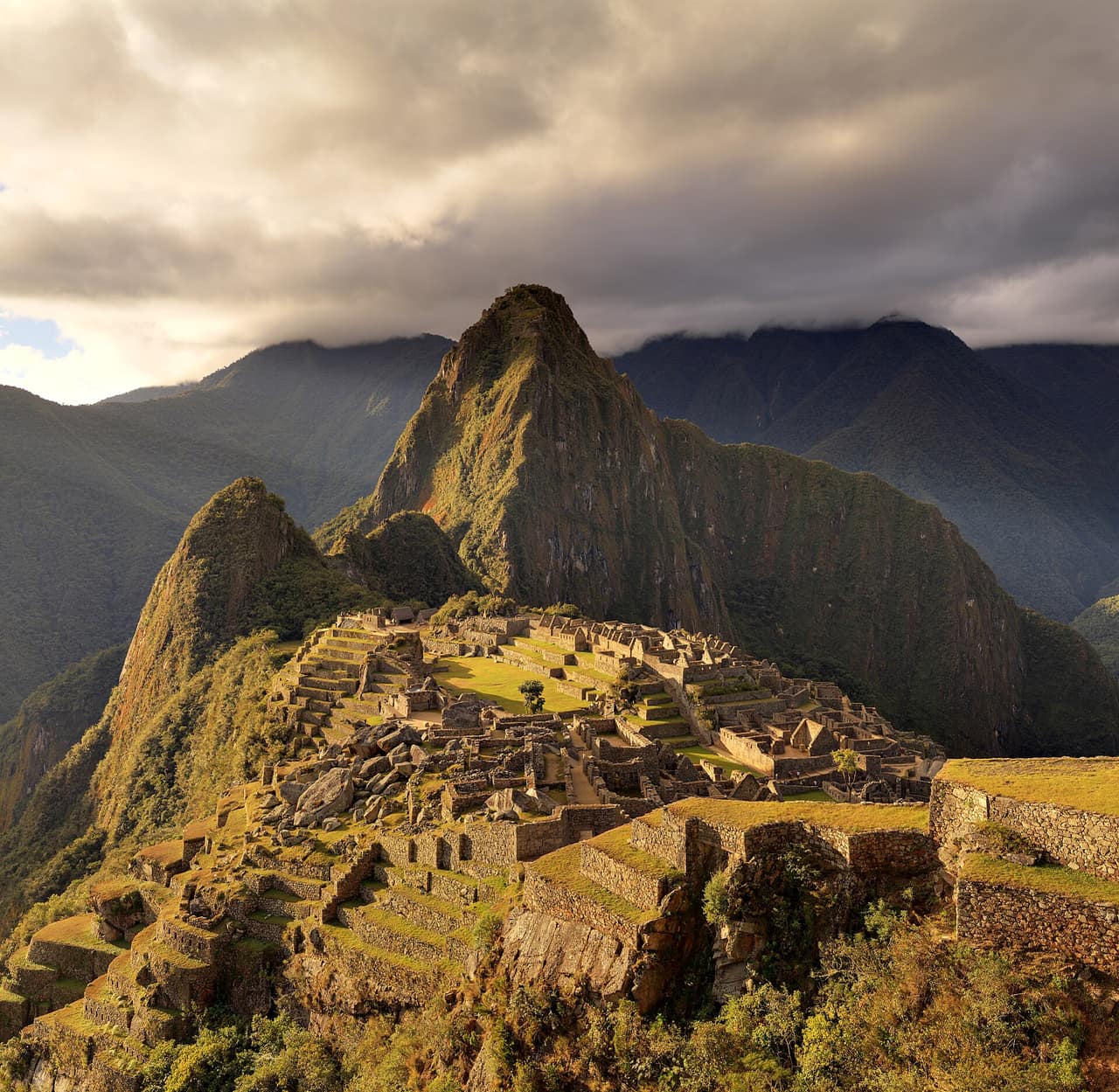
One ticket decides the shape of a Peru trip. Machu Picchu now runs on ten sub-circuits with timed entry, a hard daily cap of 5,600 in high season and 4,500 the rest of the year, and tickets matched to the passport number used at booking with no name changes permitted afterwards.
Book that first. Then build the trip around the date you got.
Three circuit groups, subdivided into ten routes, each with a maximum visit duration of 2.5 to 4 hours. You choose your circuit at booking and you cannot switch once inside.
| Circuit | What it is | Choose it if |
|---|---|---|
| 1, Panoramico | The elevated routes and the classic viewpoint | You want the photograph above all |
| 2, Clasico | The main archaeological sector | You want the ruins themselves, first visit |
| 3, Realeza | The lower royal sector | Mobility is a consideration, or you want less climbing |
Add-on mountain hikes, Huayna Picchu and Machu Picchu Mountain, are separate permits with their own small caps and are the first thing to sell out.
Prices sit in the region of $42 to $55 for circuit entry, with mountain permits adding roughly $13 to $15. Student discounts apply with valid ID.
Machu Picchu ticket first, then the train to Aguas Calientes, then accommodation, then flights. Doing it in any other order is how people end up with a trip built around a date they cannot get into the site on. Train tickets from Ollantaytambo also sell out in high season.
This is the part that ruins more Peru trips than any ticketing rule.
Cusco sits at about 3,400m. Most visitors fly in from Lima, at sea level, and are at altitude within two hours. Headache, nausea, breathlessness and poor sleep are normal in the first 48 hours and can be severe.
Machu Picchu is lower, at around 2,430m. People assume the famous site is the altitude problem. It is not; Cusco is.
The sequence that works: land in Cusco and do nothing on day one. Spend day two in the Sacred Valley, which sits several hundred metres lower than Cusco and is the correct place to acclimatise. Do Machu Picchu on day three or four. Save anything above 4,000m for the end of the trip.
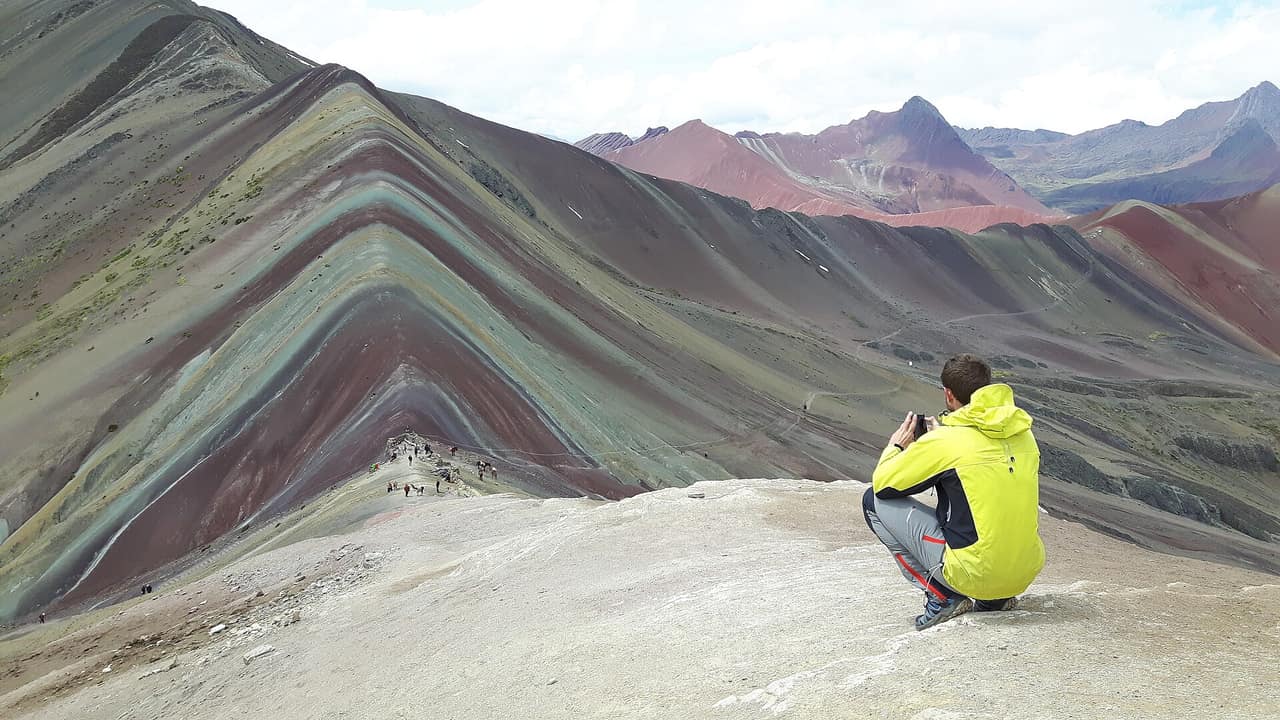
Rainbow Mountain (Vinicunca) is at about 5,200m. That is higher than Everest Base Camp on the Nepal side. It is sold as a day trip from Cusco and it is genuinely demanding. Do not do it in your first days in the country.
Between Cusco and Machu Picchu, and better than its role as a waypoint suggests. Ollantaytambo is a living Inca town with the terraced fortress above it and the train station for Machu Picchu. Pisac has ruins on the ridge and the best market in the valley. Maras and Moray hold the salt terraces and the concentric agricultural terraces.
The Boleto Turistico is a combined ticket covering many of the valley and Cusco sites. Whether it saves money depends on how many you visit; work it out against your list rather than buying it reflexively.
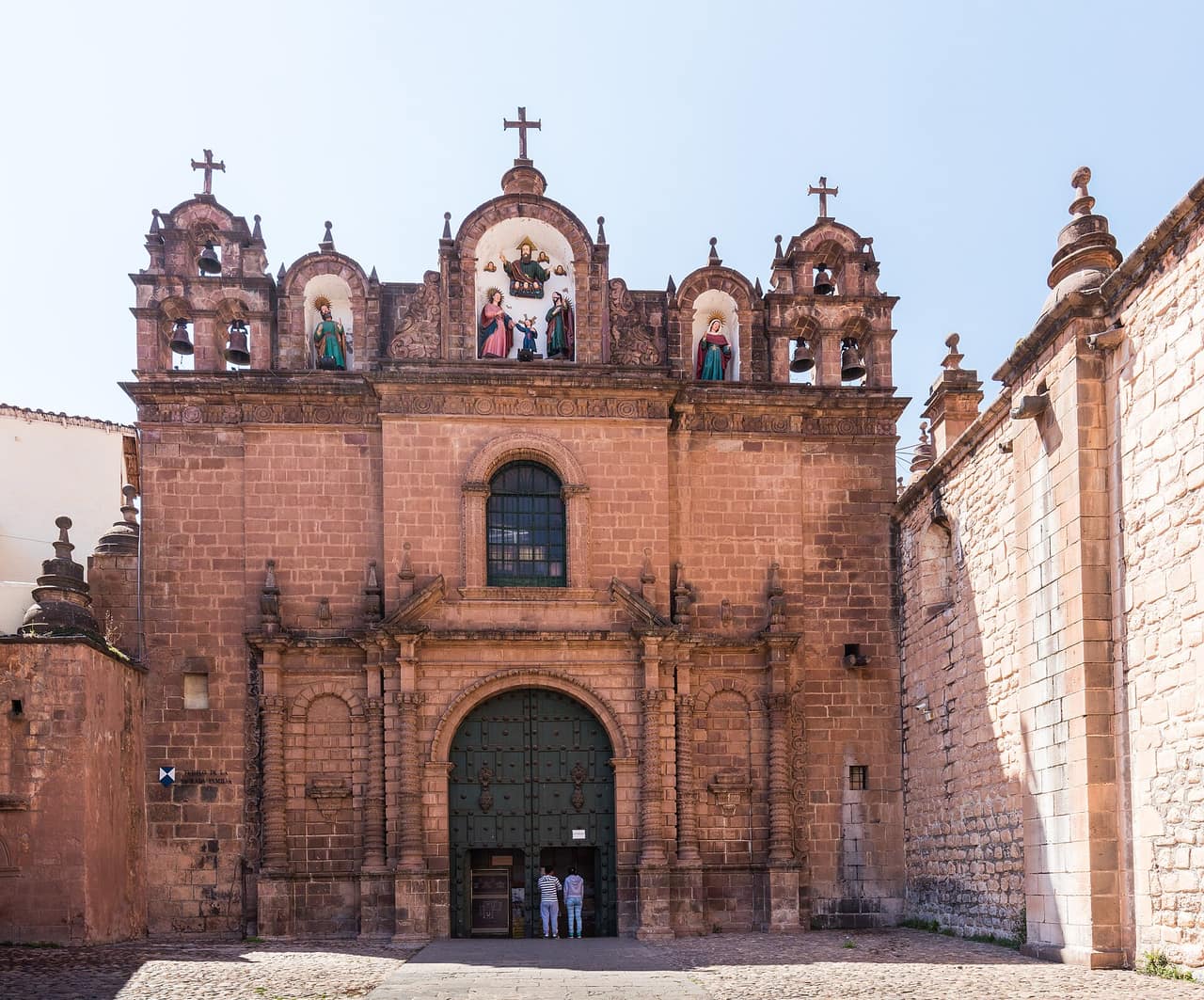
The Inca capital rebuilt as a Spanish colonial city on the original stonework, which you can see wherever a colonial wall sits on an Inca foundation. Qorikancha, the sun temple with a convent built on top of it, makes the whole colonial project legible in a single building. Sacsayhuaman, above the city, has the megalithic walls whose construction still generates argument.
Around 60 percent of Peru is Amazon basin, and it is the part of the country most visitors skip. Puerto Maldonado is the accessible gateway from Cusco, a short flight, with lodges on the Tambopata. Iquitos, further north, is reachable only by air or river and gives the deeper experience.
A jungle lodge stay is the single best contrast to the Andes and it fixes the altitude problem by simply removing it.
Worth two days rather than a night in transit. The Larco Museum is the best pre-Columbian collection in the country, and Lima's restaurant scene is genuinely among the world's strongest.
Southern Peru, built in white volcanic stone, with the Colca Canyon a few hours away and the reliable place to see Andean condors. Arequipa at 2,335m is a gentler acclimatisation base than Cusco if you are routing that way.
Ceviche is the national dish and it is a lunchtime food in Peru rather than a dinner one, for the sound reason that the fish is that morning's. Lomo saltado, aji de gallina and causa are the everyday dishes worth seeking out. Pisco sour is the drink, and at altitude it lands harder than it does at sea level.
| Season | Andes | Amazon |
|---|---|---|
| May to September | Dry, clear, cold nights. Peak season | Drier, easier trails, more insects |
| April and October | Shoulder. Most of the dry weather, fewer people | Good |
| November to March | Wet season, landslide risk on roads | Wettest, higher rivers, better boat access |
The Inca Trail closes every February for maintenance. If a trek is the point of your trip, that rules the month out entirely, though Machu Picchu itself stays open.
Long flight to get there? Lima is an overnight flight from most of North America and a very long one from Europe. Our long-haul flight guide covers what actually helps with the sleep, the dehydration and the arrival day, which matters more than usual when you are heading to altitude.
Buy the Machu Picchu ticket. Everything else is flexible and that is not, and its cap, its passport matching and its no-change policy make it the fixed point of the itinerary.
Then build in two days at moderate altitude before you go high. The Sacred Valley is the right place for it, and getting that sequence right is the difference between a trip you enjoy and a week spent with a headache.
Three to four months for high season, which runs roughly May to September. Morning entry slots and Huayna Picchu permits go first. Low season allows shorter lead times but the popular circuits still sell out.
Three circuit groups subdivided into ten defined routes. Circuit 1 is the panoramic route, Circuit 2 the classic one that reaches the main archaeological sector, and Circuit 3 the lower royalty route. Each has a maximum visit duration between 2.5 and 4 hours, and you cannot move between circuits once inside.
Circuit 2 if you want the postcard view and the main ruins in one visit, which is what most first-time visitors want. Circuit 1 for the classic elevated photograph. Circuit 3 if mobility is a consideration, since it involves the least climbing.
Yes. Your ticket is matched to the passport number used when booking, no substitutions or name changes are allowed after purchase, and you must present the passport at entry.
Cusco sits at about 3,400m and altitude sickness is common there. Machu Picchu is much lower at around 2,430m. Arriving in Cusco and going straight to a high-altitude excursion is the single most common mistake on a Peru itinerary.
Vinicunca sits at about 5,200m in the Cordillera Vilcanota. That is higher than Everest Base Camp on the Nepal side. Do not attempt it in your first days in the country.
May to September is the dry season in the Andes and the standard window, which is also peak. April and October give most of the dry weather with fewer people. The Inca Trail closes for maintenance every February.
The best-value restaurant list in Seoul is not the starred one. Here is how I choose where to eat, and the honest situation at the market everyone tells you to visit.
Three days is the right length for Rome and the tickets are where people lose money. Two official sites, two mandatory fees, and a route that avoids crossing the city twice.
Seoul had a record 10.71 million visitors in the first half of 2026, and the city answered with rules that carry fines. Here is what the sights cost, which days they close, and the neighbourhood where arriving at the wrong hour is a fineable offence.